Bankruptcy budgeting tips for a financial comeback

Bankruptcy budgeting tips

Bankruptcy budgeting tips are like a superhero cape for your finances, swooping in to save the day when your wallet feels lighter than a feather. Imagine navigating the twisty roads of bankruptcy with a trusty map in hand, filled with essential budgeting strategies that turn your financial frown upside down. This guide isn’t just about numbers; it’s a treasure chest of wisdom designed to help you emerge from the financial abyss stronger than ever!

In this thrilling ride through the world of bankruptcy, we’ll explore the various types of bankruptcy that can affect your financial health, the magical role of bankruptcy lawyers, and how to keep your credit score from throwing a tantrum. Buckle up as we dive into clever budgeting strategies, prioritize expenses like a pro, and discover how to rebuild your financial fortress post-bankruptcy!

Understanding Bankruptcy

Bankruptcy is often perceived as the financial equivalent of a haunted house—scary, confusing, and filled with monsters (aka unexpected consequences). However, peeling back the layers reveals that bankruptcy can also offer a fresh start, like discovering a secret door that leads to brighter financial days. Let’s explore the different types of bankruptcy, the indispensable role of bankruptcy lawyers, and the haunting impact it has on credit scores.

Types of Bankruptcy

There are several types of bankruptcy, each with its own unique flavor and implications for personal finances. Here’s a rundown of the main types, serving up a smorgasbord of options for those facing financial turmoil:

  • Chapter 7 Bankruptcy: Often referred to as “liquidation bankruptcy,” this type allows individuals to eliminate most of their unsecured debts. Picture it as a giant eraser for your financial mistakes—just be aware that some assets may be sold off to pay creditors.
  • Chapter 13 Bankruptcy: Known as “reorganization bankruptcy,” this option enables debtors to keep their property while creating a repayment plan to pay back all or part of their debts over three to five years. Think of it as a financial diet—you get to keep the cake but need to cut back on the frosting.
  • Chapter 11 Bankruptcy: Primarily for businesses, this type allows them to reorganize and attempt to turn things around while still managing debts. It’s like giving your business a much-needed spa day, complete with a financial makeover.

Role of Bankruptcy Lawyers

Navigating the labyrinth of bankruptcy can feel akin to wandering through a corn maze after dark—disorienting and filled with unexpected twists. Bankruptcy lawyers are the friendly guides who help illuminate the path. Their role is vital in ensuring that individuals understand their rights, the process, and the possible pitfalls along the way. These legal wizards provide advice, prepare necessary documents, and represent clients in court.

They can help negotiate with creditors, which can be as comforting as having a bodyguard at a concert. Moreover, a good bankruptcy lawyer will ease the emotional burden, reminding you that no one enjoys a financial horror movie, but everyone loves a happy ending.

Impact on Credit Scores

Now, let’s address the spooky specter hovering over bankruptcy—its impact on credit scores. Filing for bankruptcy is like setting off a firework in the dark; it lights up your credit report in ways you wouldn’t expect. Here’s how bankruptcy can affect your credit score:

  • Immediate Impact: Expect a drop in your credit score, typically between 130 to 240 points depending on your previous score. It’s the financial equivalent of stepping on a rake—unexpected and painful.
  • Duration on Credit Report: Bankruptcy can haunt your credit report for up to 10 years for Chapter 7 and 7 years for Chapter 13. It’s like being marked by a ghost—always a reminder of past missteps.
  • Future Borrowing: While it may become more challenging to secure loans or credit, it’s not impossible. Think of it as trying to get back on a roller coaster after a frightening ride; it may take time, but it can be done!

Remember, while bankruptcy may feel like a financial black hole, it can also be a launchpad for a brighter financial future, provided you take the right steps afterward!

Budgeting Strategies During Bankruptcy

Bankruptcy budgeting tips

Navigating the choppy waters of bankruptcy can feel like trying to steer a ship with a broken rudder. But fear not! With the right budgeting strategies, you can keep your financial vessel afloat and even sail smoothly toward a debt-free horizon. Here’s a mix of practical tips and strategies to help you prioritize expenses and carve down those pesky unnecessary costs.

Essential Budgeting Tips for Individuals Facing Bankruptcy

Establishing a solid budget during bankruptcy isn’t just about wielding a calculator; it’s about crafting a financial strategy that includes both survival and revival. Here are some essential tips to help steer your finances in the right direction:

  • Embrace the 50/30/20 Rule: Allocate 50% of your income for needs (rent, utilities), 30% for wants (dining out, entertainment), and 20% for savings and debt repayment. Keep it simple, like a pizza divided into three delicious slices!
  • Track Every Penny: Use budgeting apps or a trusty Excel sheet. Knowing where your money flows is crucial, like having a GPS for your spending. No more getting lost in the jungle of bills!
  • Cut Back on Luxuries: It might be time to say goodbye to that daily latte or subscription service. These small changes can add up. Think of it as downsizing your lifestyle to fit your new budget, like moving from a castle to a cozy cottage.
  • Prioritize Necessary Expenses: Ensure that your basic needs like housing, food, and transportation are at the top of your list. After all, you can’t live on love alone (especially if love can’t pay the bills).

Methods to Prioritize Expenses and Cut Unnecessary Costs

When the going gets tough, the tough get strategic. Knowing how to prioritize expenses is crucial during bankruptcy. Here are some methods to help you trim the fat off your budget:

  • List Your Expenses: Create a clear list of monthly expenses and categorize them into needs and wants. This will help spotlight where you can cut back.
  • Negotiate Bills: Don’t be shy! Call your service providers and negotiate lower rates. You’d be surprised at how often they’re willing to help keep you as a customer.
  • Consider Temporary Sacrifices: Maybe it’s time to put off that new gadget or vacation. Focus on the essentials and hold off on larger purchases until your financial situation improves.
  • Utilize Community Resources: Look into local food banks, community assistance programs, or free events in your area. These resources can support you while your finances stabilize.

Best Practices for Setting Up a Budget That Accommodates Debt Repayment Post-Bankruptcy

Once you’ve weathered the storm of bankruptcy, it’s time to set up a budget that not only helps you recover but also accommodates your future debt repayment. Here are some best practices to consider:

  • Set Realistic Goals: Establish achievable savings and repayment goals. Aiming for the stars is great, but don’t forget to keep your feet on the ground!
  • Automate Payments: Consider setting up automatic payments for your debts. This helps prevent missed payments and late fees, like having a personal assistant for your finances.
  • Review and Adjust Regularly: Life changes and so should your budget. Regularly review your budget to reflect any changes in income or expenses, like a wardrobe adjustment for the changing seasons.
  • Celebrate Small Wins: As you make progress in your debt repayment, take a moment to celebrate. Small victories can keep you motivated, like treating yourself to a small dessert after a big meal!

Financial Recovery Post-Bankruptcy
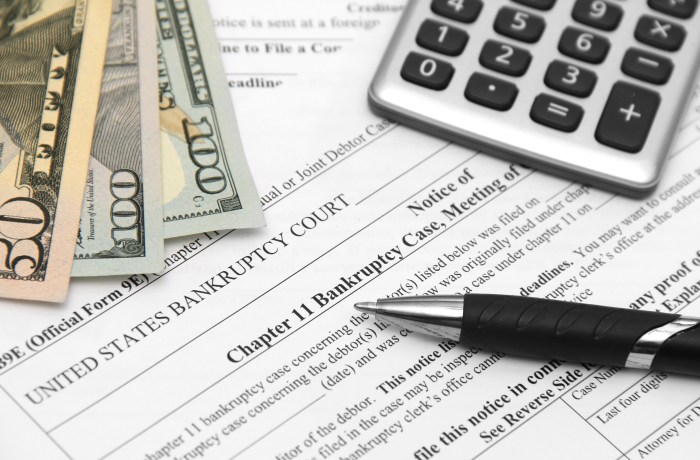
Howcast bankruptcy avoid

Bankruptcy may feel like a dramatic ending to a financial saga, but it’s really just the beginning of a brand-new chapter in your life—one filled with fresh starts, rebuilding, and, dare I say, a sprinkle of humor! So, grab your metaphorical hard hats as we delve into the strategies for coming back from the financial abyss. Let’s pull out our calculators and get cracking on how to revitalize your credit, find lenders who don’t run for the hills, and manage those pesky auto loans and medical expenses like a pro!

Rebuilding Credit After Bankruptcy

After declaring bankruptcy, your credit score might resemble a deflated balloon at a children’s party—flat and forgotten. But fear not! There are ways to inflate that score back to its glorious, buoyant self. The key here is patience and practice, like learning to ride a bike without training wheels. To kick off your credit reconstruction, consider these strategies:

  • Get a secured credit card: This is like giving yourself a safety net. You deposit money, and that becomes your credit limit. Use it wisely, and watch your score rise!
  • Pay bills on time: It’s not just about your credit card. Paying all bills punctually is like sending your credit score on a vacation—it comes back refreshed and happy!
  • Keep credit utilization low: Aim to use less than 30% of your credit limit. Keeping a low balance on your cards is like wearing your favorite outfit but not overdoing it—less is definitely more!
  • Monitor your credit report: Regular check-ups can help spot inaccuracies. Think of it like checking the oil in your car—you don’t want to be left stranded.

“It’s not where you start, it’s where you finish. And with a solid plan, your credit can become a superhero!”

Sources for Commercial Loans

Navigating the world of commercial loans after bankruptcy can feel like trying to find a needle in a haystack—if the haystack was on fire. Lenders, understandably, may be a bit wary of borrowers with a bankruptcy history, but there are still options out there. The secret lies in knowing where to look and how to charm those lenders with your financial recovery story!Here’s how to approach lenders in a way that won’t send them running for the hills:

  • Research lenders specializing in high-risk loans: Not all lenders shy away from past bankruptcies. Look for those who have a soft spot for second chances.
  • Prepare a solid business plan: Treat it like your elevator pitch. Artikel how you plan to make your business thrive and share those dreams with lenders. They love a good story!
  • Show proof of improved financial habits: Having evidence of your new, responsible financial behavior can be as persuasive as a warm cookie at a bake sale.
  • Consider peer-to-peer lending: This option connects borrowers directly with individuals. Think of it as crowd-funding, but for loans—much more personal!

Managing Auto Loans and Medical Expenses

Auto loans and medical bills can sneak up on you like an unexpected plot twist in a soap opera. Managing these expenses post-bankruptcy is crucial to maintaining your newfound financial stability. A little foresight and strategy can help you avoid future financial distress.To keep these costs manageable, implement the following tactics:

  • Shop around for auto loans: Don’t settle for the first offer. Like dating, find the right match for your wallet. Compare rates and terms to find what suits you best.
  • Consider refinancing your auto loan: If interest rates have dropped, refinancing can save you money. It’s like upgrading your old flip phone to a shiny new smartphone—way better features!
  • Negotiate medical bills: Don’t be afraid to ask for discounts. Many providers are willing to work with you, especially if you can pay upfront or negotiate a payment plan.
  • Automate payments for both loans and medical bills: Set up auto-pay to avoid late fees. It’s like taking one more thing off your plate—who doesn’t like a little less stress?

“Life after bankruptcy is all about building your financial castle, one brick at a time!”

Closing Notes

As we wrap up this financial adventure, remember that bankruptcy budgeting tips are your trusty sidekick on the path to recovery. From learning to budget smartly during bankruptcy to bouncing back with a robust financial plan, you now have the tools to take control of your future. So, wave goodbye to financial stress and say hello to a brighter, budget-friendly tomorrow!

Query Resolution

What is the first step in budgeting during bankruptcy?

The first step is to create a detailed list of your income and expenses to understand where your money is going.

Can I still use credit cards during bankruptcy?

Generally, you should avoid using credit cards during bankruptcy without consulting your lawyer, as it could complicate your case.

How long does bankruptcy affect my credit score?

Bankruptcy can stay on your credit report for up to 10 years, but with smart budgeting, you can rebuild your credit much sooner!

Is it possible to negotiate debt after filing for bankruptcy?

Yes, you can negotiate certain debts even after filing for bankruptcy, but it’s best done with the guidance of a bankruptcy lawyer.


Bankruptcy tips for a Smooth Financial Comeback

Bankruptcy tips

Welcome to the wild rollercoaster of finance, where bankruptcy tips are your trusty safety harness! As we dive headfirst into the world of financial hiccups, don’t worry—this ride is designed to be enlightening and maybe even a little fun. Whether you’re facing a debt tsunami or just want to brush up on your financial finesse, we’ve got the roadmap to navigate through the stormy seas of bankruptcy.

In this guide, we’ll explore essential strategies you can implement before declaring bankruptcy, the ins and outs of the bankruptcy process, and how to rise like a phoenix from the ashes of your financial misadventures. With practical tips, clever comparisons, and a sprinkle of humor, you’ll be well-equipped to tackle bankruptcy like a pro!

Financial Strategies Before Bankruptcy

Bankruptcy tips

Before the storm of bankruptcy hits, it’s wise to put on your financial raincoat and seek shelter from the downpour of debt. Navigating the choppy waters of personal finance can feel daunting, but with the right preparation and a little humor, you can chart a course that steers clear of bankruptcy’s rocky shores. Let’s unpack some essential financial strategies that can help you before you declare bankruptcy.

Steps to Take Before Declaring Bankruptcy

Taking proactive steps before declaring bankruptcy can save you from the greasy grip of financial despair. Here are some actions to consider:

  • Assess Your Financial Situation: List all assets, liabilities, income, and expenses. Think of it as your financial selfie—warts and all!
  • Explore Alternatives: Consider debt counseling or debt consolidation. Think of these as the friendly neighborhood superheroes that can save your financial day.
  • Communicate with Creditors: Don’t hide under your bed! Reach out to creditors to discuss possible payment plans. Most don’t bite, and some may even offer relief.
  • Cut Unnecessary Expenses: Cut down on disposable income—streamlining subscriptions and fancy lattes can free up some serious cash!

Essential Budgeting Tips

Creating a budget is like crafting a financial recipe: you need the right ingredients in the correct proportions to make your money dough rise. Here are some must-know budgeting tips to keep your finances in tip-top shape:

  • Track Every Penny: Use apps or spreadsheets to monitor expenses. It’s like keeping a diary, but instead of penning your feelings, you’re tracking your spending.
  • Create an Emergency Fund: Aim for three to six months of living expenses. This fund will be your financial life jacket when the waters get choppy.
  • Set Clear Financial Goals: Short and long-term goals keep you motivated. Think of them as the finish lines in your marathon of financial health!
  • Adjust Regularly: Review and tweak your budget monthly. Money management is like yoga: flexibility is key!

Methods to Manage Debts Effectively

Managing debts is like taming a wild beast—do it carefully, or you might lose an arm. Here are some effective methods to wrestle those debts into submission:

  • The Snowball Method: Pay off your smallest debts first for a quick win, then tackle the larger ones. It’s like rolling a snowball down a hill; it gains momentum and size!
  • The Avalanche Method: Focus on paying off debts with the highest interest rates first. This strategy is cool and calculated—perfect for those who love math more than a good story.
  • Negotiate with Creditors: Sometimes, a friendly chat can lead to better terms, lower interest rates, or even a settlement. Remember, a little charm goes a long way!
  • Consider Professional Help: Debt management companies can provide assistance but do your research. Choose wisely, like picking a sidekick for your financial superhero journey.

“The greatest risk in life is the risk of doing nothing.”

Navigating the Bankruptcy Process

When life throws you a financial curveball and it feels like you’re dodging more debt than a game of Whack-a-Mole, it might be time to consider bankruptcy as a way out. Navigating the bankruptcy process can seem as daunting as a tightrope walk across a shark tank, but fear not! By breaking it down into manageable stages, you’ll find that it’s more like a stroll through a park—albeit a park filled with some really serious paperwork.The bankruptcy process generally involves several key stages.

First, it’s essential to gather your financial documents, including income, debts, and assets. This is akin to cleaning out your closet before a big move—only instead of old shoes, you’re dealing with your entire financial life. Next, you’ll need to take a credit counseling course, which is a fancy way of saying you’ll learn how to not get back into this mess again.

Following that, you file the bankruptcy petition with the court, which is like sending a heartfelt letter to the universe, pleading for a fresh start. Then comes the meeting of creditors, where it’s essentially “Show and Tell” but for your debts. Finally, after following the court’s decisions, you’ll receive your discharge, which is the financial equivalent of being handed a golden ticket to start anew.

Stages of Filing for Bankruptcy

Understanding the stages involved in filing for bankruptcy is crucial to ensuring a smoother process. Here’s an overview of the necessary steps:

  • Gather Financial Documents: Collect all necessary financial documents including income statements, tax returns, and lists of debts.
  • Credit Counseling Course: Complete a mandatory credit counseling course to explore your options.
  • File the Bankruptcy Petition: Submit your bankruptcy petition and schedules to your local bankruptcy court.
  • Meeting of Creditors: Attend a meeting where creditors can ask you questions about your financial situation.
  • Discharge of Debts: If everything goes well, you’ll receive a discharge from the court, wiping away qualifying debts.

Roles of Bankruptcy Lawyers

Bankruptcy lawyers play a pivotal role in navigating through this complex financial jungle. Think of them as your personal guides, armed with legal knowledge and experience, ready to help you avoid pitfalls and traps. While you can technically file for bankruptcy without representation, having a seasoned attorney can significantly ease the stress and confusion that often accompanies this process. Here’s when hiring a bankruptcy lawyer becomes essential:

  • Complex Financial Situations: When your financial situation is complicated or involves significant assets, a lawyer can help strategize the best approach.
  • Legal Representation: If your case involves litigation or disputes with creditors, legal representation is crucial for protection.
  • Understanding Bankruptcy Law: Lawyers simplify the legalese, making the process clearer and more manageable.
  • Maximizing Exemptions: They help ensure you keep as many exempt assets as possible, preventing unnecessary loss.

Comparison of Chapter 7 vs Chapter 13 Bankruptcy

Understanding the differences between Chapter 7 and Chapter 13 bankruptcy can help determine which option may be best suited for your financial circumstances. Here’s a breakdown of the two:

Aspect Chapter 7 Chapter 13
Duration Typically 3-6 months to discharge 3-5 years repayment plan
Eligibility Means test to determine income qualifications Any individual with regular income can file
Asset Protection May lose non-exempt assets Keep all assets if payment plan is approved
Debt Discharge Most unsecured debts are discharged Some debts may be paid in full or partially during the repayment period

In summary, both Chapter 7 and Chapter 13 have their own charms and challenges. Choosing the right one is like picking the right pizza topping; it depends on your personal taste and financial situation. Just remember, in the world of bankruptcy, it’s all about finding the best slice of relief for your unique financial pie!

Post-Bankruptcy Recovery and Credit Repair

After a bankruptcy, you might feel like a contestant on a game show where the grand prize is a fresh start, but the rules are a bit hazy. Fear not, for rebuilding your credit and managing your finances post-bankruptcy is not only possible, it can also be a rewarding journey – think of it as a financial phoenix rising from the ashes of debt.

Let’s dive into the steps you can take to restore your financial reputation and become the credit superhero you were always meant to be.

Steps to Rebuild Credit After Bankruptcy

Rebuilding your credit score after bankruptcy is akin to planting a garden; it requires patience, care, and perhaps a bit of fertilization (just not the financial kind). The key here is to start small and stay consistent. Below are essential steps to get your credit back on track:

  • Secure a Secured Credit Card: These are like training wheels for your credit. They require a deposit, but as you use them responsibly, you can build a positive credit history.
  • Pay Bills on Time: Remember, every payment counts! Set reminders or automate your payments so you can stay ahead of the game.
  • Keep Credit Utilization Low: Aim to use less than 30% of your available credit. Think of it as only taking a small slice of cake instead of the whole thing – it’s just better that way.
  • Check Your Credit Report Regularly: Be your own detective! Look for errors or inaccuracies that could be dragging your score down. You can get a free credit report annually from the major credit bureaus.
  • Consider a Credit Builder Loan: These loans are designed to help you build your credit. You borrow a small amount, but the catch is you can’t touch the money until you’ve paid it off. It’s like a savings plan with a little extra credit boost!

Managing Auto Loans Post-Bankruptcy

Having a reliable vehicle post-bankruptcy can feel like a cross between a necessity and a luxury. However, managing an auto loan after bankruptcy requires a strategic approach to keep you on the road without veering into financial potholes. Here’s how to navigate the winding road of auto loans:

  • Shop Around for Lenders: Not all lenders treat post-bankruptcy borrowers the same. Some might even offer better rates, so don’t settle for the first deal you find!
  • Consider a Co-Signer: If you have a trusted friend or family member with good credit, having them co-sign can improve your chances of getting a better loan.
  • Opt for a Reasonable Loan Amount: Stick to a budget that won’t stretch your finances too thin. Remember, it’s not just about getting the car; it’s about keeping it running without financial strain.
  • Review Your Monthly Payments: Ensure your monthly payment fits your new budget like a tailored suit. You don’t want to find yourself in a situation where your car is the only thing going fast – and that’s into a financial mess!

Structured Plan for Personal Finance Management After Bankruptcy

Managing your personal finances after bankruptcy is akin to running a well-oiled machine – when everything is in sync, it runs smoothly. Here’s a structured plan to help you manage your finances effectively and prevent any future financial slip-ups:

  • Set a Budget: Create a monthly budget that includes all your income, expenses, and savings. Use apps or spreadsheets to track your finances – it’s like having a financial GPS.
  • Emergency Fund: Start building an emergency fund, even if it’s just a small amount each month. Aim for at least three to six months’ worth of expenses; this will make you less likely to fall back into debt.
  • Invest in Financial Education: Knowledge is power! Read books, take online courses, or attend workshops. The more you know, the more you can avoid financial traps.
  • Limit Credit Card Use: Use your credit cards wisely and sparingly. They should be a tool, not a crutch. Treat them like a dessert – a little is okay, but too much can lead to regret.
  • Stay Disciplined: Stick to your financial goals like glue. It might be difficult at times, but remember, consistency is key to rebuilding your financial health.

Conclusion

Bankruptcy tips

As we wrap up this exhilarating journey through bankruptcy tips, remember that even the most tangled financial webs can be unraveled with the right knowledge and a dash of perseverance. Armed with budgeting tricks, an understanding of bankruptcy types, and a solid recovery plan, you’re now ready to face the future with confidence. So, whether you’re preparing to take the plunge or are already swimming back to solid ground, keep these tips in your back pocket and embrace a fresh start!

Top FAQs

What are the first steps to take before filing for bankruptcy?

Evaluate your finances, create a budget, and consider consulting a financial advisor to explore alternatives.

How long does bankruptcy stay on my credit report?

Typically, Chapter 7 bankruptcy stays for 10 years, while Chapter 13 remains for 7 years.

Can I keep my house if I file for bankruptcy?

Yes, depending on your bankruptcy type and your state’s exemptions, you may be able to keep your home.

How can I rebuild my credit after bankruptcy?

Start by paying your bills on time, obtaining a secured credit card, and monitoring your credit report regularly.

Is it necessary to hire a lawyer for bankruptcy?

While not mandatory, a lawyer can provide essential guidance and help navigate complex legal requirements.