Expense tracking the secret sauce to financial freedom

Welcome to the whimsical world of Expense tracking, where numbers dance and budgets come to life! Imagine your finances as a circus, with every expense a performer trying to steal the spotlight. By keeping a keen eye on your spending, you can tame the wild beasts of debt and ensure that your financial show doesn’t go off the rails.

At its core, Expense tracking is about getting a grip on your finances. It’s the secret weapon that transforms chaos into clarity. Whether you’re a spreadsheet wizard or an app aficionado, tracking your expenses regularly not only keeps your wallet in check but also provides a mental boost. After all, who wouldn’t feel like a financial superhero with their expenses under control?

Expense Tracking Basics

In the wild world of personal finance, keeping an eye on your expenses is like wearing a seatbelt in a roller coaster—essential for safety and sanity! Tracking expenses not only helps you manage your money but also empowers you to achieve your financial goals without the terror of sudden drops or unexpected fees. It’s time to let those dollars know who’s boss!Expense tracking is the process of monitoring all your spending, allowing you to see where your money is going and helping you make informed financial decisions.

The importance of expense tracking cannot be overstated; it provides a clear picture of your financial landscape, ensuring that you’re not just coasting through life on a wing and a prayer. By effectively keeping track of your expenses, you can identify spending patterns, cut unnecessary costs, and ultimately boost your savings.

Methods for Effective Expense Tracking

Diving into the world of expense tracking can feel like learning a new language, but fear not! There are several methods to make this process as smooth as a buttered slide. Below are various tools and strategies that can help streamline your expense tracking efforts.

  • Mobile Apps: Today’s technology offers numerous apps—like Mint, YNAB (You Need A Budget), and PocketGuard—that make expense tracking as easy as pie. With features ranging from automatic syncing to detailed insights, these apps turn your finances into a fun game, where the only thing you’re defeating is overspending!
  • Spreadsheets: For those who love a bit of DIY, creating custom spreadsheets can be a rewarding way to track your expenses. Programs like Microsoft Excel or Google Sheets allow you to tailor your tracking system to your preferences. Plus, who doesn’t love that sweet satisfaction of hitting ‘enter’ on a well-organized table?
  • Pen and Paper: Going old school with a trusty notebook or planner? This tactile method can help reinforce your spending habits. It might feel a bit like playing a financial version of “Simon Says,” but there’s something calming about putting pen to paper and watching those numbers line up!

To maintain the motivation and effectiveness of your tracking efforts, regular review is key. Assessing your expenses weekly or monthly gives you insight into spending habits and helps you adjust your budget where necessary.

Psychological Benefits of Regular Expense Tracking

Keeping tabs on your expenses isn’t just about balancing your checkbook; it can have significant psychological benefits that will tickle your budgeting senses and make you feel like a financial wizard. Regularly tracking expenses can lead to enhanced accountability and a greater sense of control over your finances.

  • Reduced Anxiety: Knowing exactly where your money goes can alleviate the anxiety of financial uncertainty. It’s like having a financial GPS—no more getting lost in a sea of receipts!
  • Increased Motivation: As you see your savings grow or debts decline, your motivation to stick with your budget will soar. Think of it as a personal finance cheerleader, chanting, “You can do this!”
  • Better Decision-Making: Regular expense tracking equips you with the data needed to make informed decisions. It’s like having a crystal ball that reveals the best time to splurge or save.

In conclusion, embracing expense tracking can transform your financial experience from a chaotic circus into a well-choreographed dance. With the right tools and a bit of discipline, you can waltz your way to financial success while keeping your sanity intact!

Advanced Expense Tracking Techniques

Expense tracking

Ever feel like your finances are a wild circus, with your budget juggling flaming torches, and your expenses riding unicycles? Well, it’s time to tame that circus and bring some order to the chaos! Advanced expense tracking techniques can transform your budgeting path from a tightrope walk into a well-oiled machine. Let’s dive into how to categorize expenses, track those pesky variable expenses, and even budget for that irregular income that seems to have a knack for sneaking up on you!

Categorizing Expenses for Better Budgeting

To track your expenses like a pro, categorizing them is key. Think of it as putting your financial ducks in a row—only, instead of ducks, we have expenses all quacking for your attention. Creating categories allows you to see where your money is going and helps you determine where you can cut back. Start by dividing your expenses into major categories such as housing, transportation, food, entertainment, and savings.

This way, you won’t find yourself lost in a sea of receipts and bank statements. Here’s a simple breakdown of potential categories:

  • Housing (rent/mortgage, utilities)
  • Transportation (gas, insurance, repairs)
  • Food (groceries, dining out)
  • Entertainment (movies, subscriptions)
  • Healthcare (insurance, medicine)
  • Miscellaneous (everything else!)

The more detailed your categories, the easier it will be to spot spending patterns.

Keeping a close eye on your expense categories is like having a financial fitness tracker. You’ll see the gains (and losses) in real-time!

Tracking Variable Expenses and Budgeting for Irregular Income

Variable expenses can feel like that one friend who shows up uninvited to every party: unpredictable and often unwelcome. These expenses can fluctuate monthly, making them tricky to track. This is where creativity and strategy come into play. Here are some tips to help you manage these variable wildcards and budget for that irregular income that seems to dance on your nerves:

1. Average It Out

Look back at your spending over the past few months to get an average. If your grocery bill is usually somewhere between $300 and $500, aim for the middle ground when budgeting.

2. Create a Buffer

Set aside a small buffer or cushion in your budget for those months when your variable expenses might jump up like a surprise guest at a party.

3. Use a Percentage

Consider allocating a percentage of your income to each category. For instance, if you know your variable expenses average around 30% of your income, set that aside automatically.

4. Seasonal Adjustments

If your income varies by season—like a bee buzzing around flowers in spring—adjust your budget accordingly. If you earn more in summer, plan for those leaner winter months.

5. Keep a Savings Slush Fund

Establish a contingency fund for emergencies and unexpected expenses. It’s your financial safety net, so when life throws you a curveball, you’re ready to hit a home run.

Differences Between Fixed and Variable Expenses

Understanding the difference between fixed and variable expenses is crucial for effective budgeting. Here’s a handy table to Artikel their variances. This way, you can easily identify where your finances stand while maintaining your sanity!

Expense Type Characteristics Examples
Fixed Expenses Consistent, predictable, and rarely change. Rent, mortgage, insurance premiums, monthly subscriptions
Variable Expenses Fluctuate month to month; harder to predict. Groceries, dining out, entertainment, utility bills

By honing in on these advanced expense tracking techniques, you’ll turn your financial chaos into a symphony of order. With organized categories and strategic budgeting, you’ll dance through your finances like a maestro!

Integrating Expense Tracking with Other Financial Aspects

Expense tracking

Effective expense tracking isn’t just about keeping your wallet happy; it’s like having a financial superhero cape that swoops in to help you tackle all aspects of your financial life. By diligently recording those latte splurges and late-night snack runs, you’re setting yourself up for success in securing auto loans, avoiding bankruptcy, and even impressing potential lenders for that commercial loan you’ve been eyeing.

Role of Expense Tracking in Auto Loans and Repayment Management

When you’re in the market for an auto loan, lenders want to see that you’re not living paycheck to paycheck—unless you’re trying to finance a vintage ice cream truck, then they might reconsider. A well-maintained expense tracking log can illustrate your spending habits and demonstrate your ability to repay the loan. By keeping tabs on your expenses, you can easily identify how much you can afford to allocate toward your monthly payments.

Consider these points when integrating expense tracking into your auto loan process:

  • Debt-to-Income Ratio: By tracking your income and expenses, you can calculate your debt-to-income ratio, which lenders look at closely. A lower ratio signals that you’re financially responsible.
  • Budgeting for Payments: Accurate records enable you to budget effectively, ensuring you set aside enough for auto loan repayments without sacrificing your Netflix subscription.
  • Identifying Patterns: Consistently tracking your expenses helps identify spending patterns, allowing you to cut back and redirect funds toward your auto loan.

“Expense tracking is like a GPS for your finances; it helps you navigate your way to loan approval without taking any wrong turns.”

Preventing Bankruptcy Through Expense Tracking

Nobody dreams of declaring bankruptcy; it’s like a financial black hole that sucks in your credit score and leaves you with a lifetime of financial challenges. However, with the trusty sidekick of expense tracking, you can keep your financial ship afloat. Regularly monitoring your expenses helps you stay aware of your financial status, making it easier to spot potential issues before they spiral out of control.

Here are some key insights on how expense tracking can be your financial lifeline:

  • Recognizing Warning Signs: Unchecked spending can lead to financial trouble. Tracking expenses helps you recognize when you’re living beyond your means.
  • Building an Emergency Fund: By identifying areas to cut back, you can redirect funds to build an emergency fund, which is crucial for unexpected expenses.
  • Informed Decision-Making: Knowing your financial situation allows you to make informed decisions about your expenses, helping you avoid the slippery slope into bankruptcy.

“Expense tracking is like a life jacket in the turbulent sea of finances; it helps keep you afloat when waves of debt threaten to pull you under.”

Impact of Consistent Expense Tracking on Commercial Loan Applications

When it comes to commercial loans, lenders are like the picky parents of financial institutions—they want to see a solid plan and track record before letting you borrow their money. Consistent expense tracking can significantly bolster your commercial loan application. By maintaining accurate records, you can present a clear picture of your business finances, which is key when persuading lenders to part with their cash.

Consider these essential benefits:

  • Improved Financial Statements: Well-documented expenses lead to clearer financial statements, making it easier for lenders to assess your business’s viability.
  • Financial Trends: Tracking expenses consistently allows you to showcase financial trends that demonstrate stability and potential growth, which are attractive to lenders.
  • Confidence in Projections: When you know your expenses, you can make more accurate financial projections, which is like showing off your crystal ball to lenders.

“Tracking your expenses for a commercial loan application is like bringing your favorite dessert to a party; it sweetens your chances of getting what you want.”

Ending Remarks

In the end, mastering Expense tracking is less about number crunching and more about claiming your financial destiny. As you weave the strands of your spending into a tapestry of wise decisions, you’ll find that the benefits stretch far beyond simply knowing where your money goes. So, strap in, keep your expense tracker handy, and watch your financial circus transform into a well-orchestrated masterpiece!

Top FAQs

What is the best method for tracking expenses?

The best method varies by personal preference! Some prefer using apps for their convenience, while others swear by good old spreadsheets for their flexibility. Try both to see which circus act suits you best!

How often should I track my expenses?

Daily is ideal, but weekly works too! Just make sure to check in regularly, so you don’t end up clowning around with your finances!

Can expense tracking help improve my credit score?

Absolutely! By keeping your spending in check and ensuring timely payments, you’ll be on the fast track to a sparkling credit score!

What should I include in my expense tracking?

Include everything from your morning coffee to that spontaneous pizza night! The more detailed your tracking, the better you’ll understand your spending habits.

Is expense tracking only for people with a lot of money?

Debt relief vs bankruptcy a comedic showdown of finances

Debt consolidation bankruptcy vs

Picture this: You’re standing in the ring of financial chaos, and in one corner we have Debt Relief, wearing a huge smile and holding a negotiation pamphlet, while in the other corner, Bankruptcy stands with a gavel and a rather serious expression. As we delve into the exhilarating world of Debt relief vs bankruptcy, prepare for a humorous yet enlightening journey that uncovers the quirky quirks of each option.

Spoiler alert: both have their pros and cons, and they promise not to throw any punches—unless you count the ones to your wallet!

Debt relief options can feel like a buffet of choices, from debt settlement to credit counseling, each with its own flavor of advantages and pitfalls. On the flip side, bankruptcy presents a more structured yet daunting path, with different types like Chapter 7 and Chapter 13 ready to step into the limelight. So, grab your financial popcorn as we explore the ins and outs of each option and help you decide which heavyweight will take the crown in your financial comeback story!

Debt Relief Options

When the weight of debt feels like an elephant sitting on your chest during a yoga class, it’s time to explore the world of debt relief options. Whether you’re trying to escape the clutches of credit card bills or those pesky student loans, this guide will walk you through the choices available to lighten your load. Buckle up, because we’re about to embark on a rollercoaster ride of financial freedom!Various methods exist for individuals seeking to relieve their debt.

These options can help you regain control over your financial future. Here’s a breakdown of some common debt relief options, complete with their pros and cons, so you know what you’re signing up for before diving headfirst into the deep end of the financial pool.

Debt Settlement

Debt settlement is like negotiating with a stubborn toddler who refuses to share their toys. The goal is to reach an agreement with creditors to pay less than the total owed, giving your wallet a much-needed break. However, like any negotiation, it has its ups and downs.To better understand how it works, let’s take a closer look at the advantages and disadvantages of debt settlement:

Engaging in debt settlement can be a double-edged sword, and here’s what you need to know:

  • Advantages:
    • This option can provide significant savings. Imagine slashing that credit card bill by 50%—talk about a budget-friendly miracle!
    • It may offer a faster resolution compared to other methods, helping you escape the clutches of debt quicker than a cat can knock over a glass of water.
    • Stress reduction is possible, as you’ll have a clear plan in place and potentially eliminate calls from those predatory bill collectors.
  • Disadvantages:
    • Your credit score may take a hit, similar to watching your favorite sports team lose the championship—painful and hard to recover from.
    • There’s a risk of tax implications on forgiven debt, as Uncle Sam might come knocking for his share of the pie.
    • Some creditors may refuse to negotiate, leaving you stuck in the financial mud while watching other people drive away in their debt-free cars.

Negotiating a debt relief plan with creditors involves a few steps that can feel as daunting as running a marathon without training. But don’t worry; you can do this! Here’s a simplified process for your reference:

Preparation is key; knowing your financial situation inside and out will empower you during negotiations.

1. Assess Your Financial Situation

Take a good look at your debts, income, and expenses. This will help you understand what you can realistically afford to pay.

2. Contact Creditors

Reach out to your creditors and express your desire to negotiate. It’s like ringing the doorbell of opportunity—don’t be shy!

3. Propose a Settlement

Offer a sum that you believe you can manage, ideally lower than the total debt. Remember, this is a negotiation; be prepared for some back-and-forth.

4. Get It in Writing

Once an agreement is reached, ensure you get it documented. This is not a verbal handshake deal; it’s a legally binding agreement that protects your interests.

5. Stick to the Agreement

Follow through with the payments as promised. After all, you’ve just made a deal—now you need to keep your end of the bargain!By navigating these steps, you can approach debt settlement with confidence, armed with knowledge and a dash of humor to lighten the mood. Remember, you’re not alone on this journey; many have walked the path before you, and now it’s your turn to take the first step toward financial freedom!

Bankruptcy Overview

Debt consolidation bankruptcy vs

In the financial world, bankruptcy is like that friend who shows up uninvited to a party and ends up causing a scene. However, it does serve a purpose! It’s a legal process that helps individuals and businesses who have found themselves drowning in debt. Let’s break down the various types of bankruptcy filings available and see how they differ from each other, as well as the vital role of bankruptcy lawyers in this drama.

Types of Bankruptcy Filings

When it comes to bankruptcy, there are several flavors to choose from, primarily designed for different financial situations. Understanding these options can help individuals and businesses make informed decisions that might save them from financial doom.

  • Chapter 7 Bankruptcy: Often referred to as “liquidation bankruptcy,” this option is ideal for individuals and businesses that have little hope of repaying their debts. In this process, a bankruptcy trustee is appointed to sell non-exempt assets to pay creditors. The good news? Most unsecured debts can be discharged, giving filers a fresh start. Just remember, it’s not a free-for-all; some assets are off-limits!
  • Chapter 13 Bankruptcy: This is like the financial treadmill where you keep running but don’t actually go anywhere. Chapter 13 allows individuals with a steady income to create a repayment plan to pay back all or part of their debts over three to five years. It’s a great option if you want to keep your home or other valuable assets, but be prepared for a long-term commitment to budgeting and payments.

  • Chapter 11 Bankruptcy: This is usually for businesses that need to restructure their debts while continuing their operations. Think of it as a corporate makeover reality show where the business gets to revamp its finances while still keeping the lights on and the coffee brewing.
  • Chapter 12 Bankruptcy: Specifically designed for family farmers and fishermen, this type provides a streamlined process to help them reorganize their debts while maintaining their livelihood. Picture a farmer getting a second chance to plant crops after a bad harvest season!

Comparison of Chapter 7 and Chapter 13 Bankruptcy

When it comes to choosing between Chapter 7 and Chapter 13 bankruptcy, it’s important to weigh the pros and cons of each option. Eligibility requirements and outcomes can vary significantly.

Chapter 7 is a quick exit from debt, while Chapter 13 is a marathon for managing repayment.

  • Eligibility: Chapter 7 requires passing a means test to determine whether your income is low enough to qualify. If you earn more than the median income in your state, you might not be eligible. Chapter 13, on the other hand, requires a steady income and has debt limits, making it suitable for those who can commit to a repayment plan.

  • Outcome: Chapter 7 can wipe out most unsecured debts in a matter of months, giving you a fresh start! However, it may involve losing some assets. In contrast, Chapter 13 allows you to keep your assets while paying off debts in a structured timeline, but it can take several years to complete.
  • Impact on Credit: Both options will impact your credit score, but Chapter 7 stays on your credit report for ten years, while Chapter 13 only hangs around for seven years. So, if you’re eager to get back to credit card swiping, keep that in mind!

The Role of Bankruptcy Lawyers

Navigating the choppy waters of bankruptcy without a lawyer is like sailing a ship without a captain—possible, but likely to end in disaster. Bankruptcy lawyers are essential to ensure the process goes as smoothly as possible.

  • Expert Guidance: Bankruptcy laws can be complex and vary by state. Lawyers provide critical knowledge about the law and what type of bankruptcy best suits your situation. They’re like your financial GPS, helping you avoid detours and dead ends.
  • Filing Paperwork: The paperwork for bankruptcy can feel like an avalanche of forms and legal jargon. Lawyers handle all the filing details, reducing stress and the likelihood of errors that could delay your case. Think of them as your personal administrative superheroes!
  • Representation in Court: If your case requires a court appearance, a bankruptcy lawyer will represent you, ensuring your rights are protected. They’ll be there to argue your case like a seasoned lawyer in a courtroom drama—cue the dramatic music!

Financial Planning Post-Debt

Debt relief vs bankruptcy

After navigating the rocky road of debt relief or bankruptcy, it’s time to steer your financial ship towards calmer waters. Think of this as your financial makeover episode, where you ditch the debt and embrace budgeting like it’s your new best friend. Financial planning post-debt isn’t just about avoiding the bad stuff; it’s also about rediscovering your financial potential and strutting down the runway of life with confidence and fiscal flair!

Budgeting Tips for the Debt-Free Life

Budgeting is the secret sauce to a healthy financial life, especially after you’ve pulled the financial emergency brake. Here are some helpful tips to help you glide smoothly into your newly debt-free existence:

  • Assess Your Income: Start with a clear picture of your current income. It’s like counting your eggs before you make an omelet – know what you have to work with!
  • Track Your Spending: Use apps or a trusty notebook. Knowing where your dollars are going is essential. Spoiler alert: those daily lattes can add up!
  • Set Realistic Goals: Aim to save for emergencies, vacations, or a new car. It’s easier to budget when you know what you’re saving for.
  • Create a Monthly Budget: List your fixed expenses (rent, utilities) and variable expenses (food, fun). Balance is key – keep it in the green!
  • Review Regularly: Life changes, and so should your budget. Reassess it monthly or quarterly to make adjustments as needed.

Rebuilding Credit Scores After Bankruptcy

Your credit score may have taken a hit, but fear not! This is a chance to rebuild stronger than ever. Think of it as lifting weights after a fall – it’s all about getting back up with purpose. Here’s how to kickstart your credit recovery:

  • Get a Secured Credit Card: This is like a baby step back into the world of credit. You put down a deposit, and it becomes your credit limit. Use it wisely!
  • Pay Bills on Time: This is non-negotiable. Payment history counts for 35% of your credit score. Set reminders or automate payments to keep your score in check.
  • Keep Credit Utilization Low: Aim to use less than 30% of your available credit. It shows creditors you’re responsible – like wearing a helmet while biking!
  • Don’t Close Old Accounts: Length of credit history is a factor. Keep those old accounts open to help lengthen your credit journey.
  • Check Your Credit Report Regularly: Ensure accuracy and dispute any errors. You’re the captain of your credit ship; steer it right!

Managing Future Auto Loan Applications After Bankruptcy

So, you’re eyeing that shiny new car, but your bankruptcy is following you like a shadow. Fear not! With the right approach, you can navigate the auto loan waters too. Here’s your game plan:

  • Save for a Down Payment: A larger down payment can not only reduce your loan amount but also show lenders you’re serious about this car-buying venture.
  • Shop for Lenders that Specialize in Bad Credit: Some lenders happily cater to those with a less-than-perfect credit history. It’s like finding a tailor who knows how to mend a ripped suit!
  • Pre-Approval Process: Get pre-approved before you hit the dealership. This gives you a better idea of what you can afford and strengthens your bargaining position.
  • Choose a Reasonable Loan Term: Shorter loan terms often mean higher monthly payments, but they can save you money on interest in the long run. It’s better than dragging out the payments longer than necessary!
  • Stay Within Your Budget: Don’t let those shiny wheels distract you from your financial goals. Stick to your budget and avoid getting in over your head.

Epilogue

As we wrap up this whimsical tussle between Debt relief and Bankruptcy, it’s clear that both paths have their own set of rules, advantages, and catchy catchphrases. Whether you prefer the negotiation dance of debt relief or the structured matchmaking of bankruptcy, the choice ultimately lies in your financial ring. Remember, every heavyweight champion has a comeback story, and with the right plan, you can emerge victorious in the battle against debt!

Questions Often Asked

What is the difference between debt relief and bankruptcy?

Debt relief typically involves negotiating lower payments or settlements with creditors, while bankruptcy is a legal process that can discharge debts or restructure payments.

Can I choose between Chapter 7 and Chapter 13 bankruptcy?

Yes, but your eligibility depends on your income and financial situation—think of it as choosing between a fast rollercoaster and a scenic train ride!

Will debt relief hurt my credit score?

It might give your credit score a little love tap, but generally, it’s less damaging than bankruptcy.

How long does it take to recover from bankruptcy?

After bankruptcy, you might be in the financial rehab zone for several years, but with good habits, you can start rebuilding that credit score quicker than you can say “financial freedom!”

Do I need a lawyer for bankruptcy?

While it’s not a requirement, having a bankruptcy lawyer is like having a financial superhero in your corner—very helpful!

Chapter 13 personal bankruptcy a humorous guide to relief

Bankruptcy

Chapter 13 personal bankruptcy, the financial twist in your tale, invites you to dive into a world where debts dissolve like sugar in hot tea. Imagine a lifeboat in a stormy sea of debt, where you can finally catch your breath and chart a course for calmer financial waters. This intriguing process is not just about erasing your financial woes; it’s about understanding a unique repayment plan designed to help you keep your assets while dancing your way to financial freedom.

With a sprinkle of humor, we’ll unravel the ins and outs of Chapter 13, revealing how it differs from its cousin, Chapter 7, and the advantages and pitfalls of embarking on this financial journey. So grab your favorite snack, settle in, and let’s navigate this quirky labyrinth of bankruptcy together!

Understanding Chapter 13 Personal Bankruptcy

Bankruptcy

Navigating the choppy waters of personal finance can sometimes feel like trying to swim with a backpack full of bricks. Enter Chapter 13 bankruptcy, the lifeboat that might just save you from drowning in your debts. This chapter provides a structured way to repay your debts over time while protecting your assets. So, grab your life vest, and let’s dive into the nitty-gritty of Chapter 13!Understanding the process of filing for Chapter 13 bankruptcy starts with the realization that it’s a bit like a financial reorganization party, where only certain guests (creditors) are invited, and you’re in charge of the playlist (payment plan).

To file, you’ll need to submit a petition to the bankruptcy court, along with a proposed payment plan that spans three to five years. This plan must be feasible, meaning it should be something you can afford based on your current income and expenses. The court will review your plan, and if it gets a thumbs up, you can start making those payments while the court protects you from creditors.

Process and Requirements for Filing Chapter 13 Bankruptcy

Filing for Chapter 13 bankruptcy requires meeting specific criteria and following a defined process. Here’s what you need to know:

1. Eligibility Requirements

You must have a regular income to fund your repayment plan.

Your unsecured debts (like credit cards) must be less than $419,275, and secured debts (like mortgages) must be less than $1,257,850. (These numbers adjust periodically, so always check for the latest figures.)

2. Filing the Petition

Complete the bankruptcy forms, which will include details about your assets, liabilities, income, expenses, and a proposed repayment plan.

Pay the filing fee or request a waiver based on your financial situation.

3. Credit Counseling

Before you can file, you must undergo credit counseling from an approved agency. This is not just a formality; it’s meant to ensure you’ve considered all options before jumping into bankruptcy.

4. Meeting of Creditors

Attend a meeting where creditors can ask you questions about your financial situation. Don’t worry; it’s more of a formality than an interrogation, but you might want to skip the dramatic monologue about your financial woes.

5. Confirmation Hearing

The court will hold a hearing to confirm your repayment plan. If everything checks out, you’re on your way to financial recovery!

Differences Between Chapter 13 and Chapter 7 Bankruptcy

When it comes to bankruptcy, not all chapters are created equal. Here’s a straightforward comparison of Chapter 13 and Chapter 7 to help you understand which boat you might want to row.

Repayment vs. Liquidation

Chapter 13 involves repaying debts over time, while Chapter 7 typically means liquidating assets to pay off creditors.

Asset Protection

In Chapter 13, you can keep your assets as long as you follow the repayment plan. In Chapter 7, you may lose non-exempt assets to pay creditors. –

Duration

Chapter 13 plans last three to five years, while Chapter 7 proceedings are usually resolved within a few months.

Income Requirement

Chapter 13 requires a regular income to make those monthly payments, whereas Chapter 7 has no similar requirement.

Goodbye vs. Hello to Creditors

Chapter 13 gives you a chance to say “hello” to creditors over a few years while you pay them off, while Chapter 7 often gives them a swift “goodbye” post-liquidation.

Advantages and Disadvantages of Chapter 13 Bankruptcy

Chapter 13 bankruptcy comes with its own set of perks and pitfalls. Here’s a breakdown to help you weigh your options: Advantages:

Asset Protection

You can keep your home and other assets if you adhere to the repayment plan.

Lower Monthly Payments

Your payment plan can be structured to fit your budget, potentially lowering your monthly outflow.

Staying in Control

You have control over your repayment plan, choosing how to allocate your funds over the repayment period. Disadvantages:

Long Commitment

You’re in it for the long haul, with repayment plans stretching three to five years, which can feel like an eternity in debt.

Impact on Credit Score

Filing for Chapter 13 will still impact your credit score, although it’s generally less severe than Chapter 7.

Inflexibility

If your financial situation changes (like losing a job), you may struggle to keep up with payments, putting your plan at risk.

“Navigating Chapter 13 bankruptcy is like being on a roller coaster: thrilling, a little scary, but ultimately worth the ride if you stick to the plan!”

Impact of Chapter 13 Bankruptcy on Finances

Chapter 13 bankruptcy is often perceived as a daunting financial monster, lurking under the bed of your financial life, ready to pounce! However, when managed properly, it can actually serve as a transformative tool that not only helps you regain control of your finances but can also set you on a path to a healthier financial future. Understanding its impact on credit scores, budgeting, and debt management is essential for anyone navigating these waters.Credit scores take a hit when entering Chapter 13, similar to a piñata at a kid’s party—everyone gets a swing at it! While the initial impact may seem severe, it’s essential to realize that this form of bankruptcy offers a structured repayment plan, which is often viewed more favorably by creditors in the long run.

Chapter 13 typically remains on your credit report for seven years, but maintaining timely payments during the repayment plan can help mitigate the damage over time.

Impact on Credit Scores and Future Financing Options

When you file for Chapter 13 bankruptcy, it’s like throwing a wet blanket on your credit score—expect to see a drop! However, with a focus on rebuilding, you can rise from the ashes like a financial phoenix. Here’s how it affects your credit:

  • Initial Decrease: Credit scores can plummet by 100 points or more right after filing.
  • Duration of Impact: The bankruptcy remains on your credit report for seven years, but its effects diminish over time.
  • Future Credit Opportunities: While obtaining new credit might be challenging initially, demonstrating responsible financial behavior can lead to better opportunities.
  • Credit Rebuilding: Secured credit cards and small loans can be stepping stones to improve your score post-bankruptcy.

Embracing a proactive approach to managing your credit score during and after bankruptcy is like putting on a superhero cape—suddenly, you’re capable of tackling any financial villain that crosses your path!

Effective Budgeting During and After Bankruptcy

Budgeting during Chapter 13 is akin to walking a tightrope—you need to maintain your balance carefully! Here’s how to effectively manage your finances throughout this journey:

  • Track All Expenses: Use budgeting apps or a trusty spreadsheet to monitor every penny. Seeing where your money goes can help identify leaks!
  • Prioritize Needs vs. Wants: Focus on essential expenses first (food, housing, and transportation) before indulging in luxuries (like that fancy coffee you don’t need).
  • Set Up a Repayment Plan: Work with your bankruptcy trustee to create a feasible repayment plan that fits your budget.
  • Build an Emergency Fund: Even during bankruptcy, try to set aside a small amount each month for unexpected expenses. A rainy day fund is always a wise move!

By employing these budgeting strategies, you can navigate the twists and turns of Chapter 13 without falling into the financial abyss.

Strategies for Managing Debt During Bankruptcy Repayment Plan

While in a Chapter 13 repayment plan, managing debt is crucial like steering a ship through a stormy sea. Here are some effective strategies to ensure smooth sailing:

  • Communicate with Creditors: If issues arise, don’t ghost your creditors! Open lines of communication can lead to better solutions.
  • Stay Committed to Your Plan: Adhere to the repayment schedule, making payments on time to avoid complications.
  • Limit New Debt: Resist the temptation to take on new debt. Think of it as a diet—avoid those financial junk foods!
  • Seek Financial Counseling: Consider working with a certified credit counselor to develop additional strategies for managing finances.

By employing these strategies, you can navigate your repayment plan while keeping the debt monster at bay. With a focus on disciplined budgeting, strategic management, and a dash of humor, you’ll not only survive Chapter 13 bankruptcy but might just come out stronger on the other side!

Seeking Professional Help in Bankruptcy

Discharge bankruptcy debt

When life’s financial train starts derailing, seeking the right professional help can be your ticket back on track. Navigating the choppy waters of Chapter 13 bankruptcy may feel like trying to swim with a concrete anchor, but with the right bankruptcy attorney, you can float back to dry land. Let’s dive into how to find legal support that won’t leave you stranded and the importance of financial counseling in your post-bankruptcy journey.

Choosing the Right Bankruptcy Lawyer for Chapter 13 Cases

Selecting a bankruptcy lawyer is like picking a partner for a three-legged race; you need someone who can keep pace with you and help you cross that finish line. Here are some tips that will help you find your perfect legal match:

  • Experience Matters: Look for attorneys who specialize in bankruptcy law, especially Chapter 13 cases. An experienced lawyer knows the ins and outs like a seasoned chef knows their kitchen.
  • Check Reviews: Just like you wouldn’t book a restaurant without checking reviews, don’t hire a lawyer without seeing what others have to say. Online testimonials can give you insights into their reliability and effectiveness.
  • Consultation Availability: Look for lawyers who offer free consultations. This is your chance to see if they are the right fit—think of it as speed dating for legal advice.
  • Transparent Fees: Make sure they Artikel their fees clearly. No one likes surprise charges, similar to finding out your favorite snack has been discontinued.

“When it comes to bankruptcy, a good lawyer is like a trusty umbrella in a rainstorm—essential for weathering the storm.”

The Importance of Financial Counseling Before and After Filing

Financial counseling is not just a box to tick off before you file; it’s your financial GPS guiding you through the winding roads of bankruptcy and beyond. Engaging in counseling before and after filing can help you gain crucial insights and strategies for managing your finances effectively.

  • Pre-filing Counseling: Prior to filing, you’ll typically need to complete a credit counseling session. This session helps evaluate your financial situation and explore alternatives to bankruptcy.
  • Post-filing Education: After filing, you’ll be required to take a debtor education course. This course is essential for learning how to budget and avoid pitfalls in the future, ensuring you don’t end up back in the same financial pickle.

“Financial counseling is not just about surviving bankruptcy; it’s about thriving after it.”

Checklist of Necessary Documents for Successful Bankruptcy Filing

To ensure your bankruptcy filing goes as smoothly as a buttered slide, gather the necessary documents ahead of time. Here’s a handy checklist to make the process easier:

  • Identification: Current photo ID and Social Security card—think of it as your financial superhero identity.
  • Income Documentation: Pay stubs, tax returns, and any other income sources. This is your financial resume; make sure it’s up to date.
  • List of Debts: A comprehensive list of all your creditors, amounts owed, and account numbers. This is your financial ‘who’s who’.
  • Monthly Expenses: Monthly bills and living expenses to illustrate your financial landscape. Think of this as the map to your financial treasure chest—or the X marking the spot of your financial crisis.
  • Property Information: Documents related to real estate or personal property, including titles and deeds. You wouldn’t want to forget the treasures you own!

Conclusive Thoughts

As we wrap up our fabulous adventure through Chapter 13 personal bankruptcy, you’ve hopefully gathered some helpful nuggets of wisdom along the way. Whether you’re contemplating filing or merely curious about the process, remember that Chapter 13 can be your financial fairytale as you learn to juggle budgets, tackle debts, and maybe even save your prized possessions. So, don’t fret; embrace this new chapter in your financial story—happily ever after might be just a plan away!

FAQ Overview

What is the duration of a Chapter 13 plan?

A Chapter 13 repayment plan typically lasts three to five years, depending on your income and debts.

Will filing for Chapter 13 stop foreclosure?

Yes! Filing for Chapter 13 automatically halts foreclosure proceedings, giving you a chance to catch up on missed payments.

Can I keep my credit cards while in Chapter 13?

While you can keep some credit cards during Chapter 13, it’s wise to avoid accumulating new debt until you’ve completed your repayment plan.

How does Chapter 13 affect my credit score?

Filing for Chapter 13 will initially lower your credit score, but with responsible financial habits, you can rebuild it over time.

Can I change my repayment plan after it’s filed?

Yes, you can modify your repayment plan if your financial situation changes, but you’ll need court approval.

Healthcare bankruptcy A Financial Circus Gone Wild

Welcome to the wild world of healthcare bankruptcy, a place where financial acrobatics and unfortunate falls from grace collide! Picture this: medical bills piling up like confetti at a party, and providers who’ve hit a financial wall harder than a piñata at a kids’ birthday bash. In a landscape where patients and providers dance the tango of debt, understanding the whys and hows of healthcare bankruptcy is essential for survival — and maybe even thriving amidst the chaos.

As we tumble through this informative escapade, we’ll uncover the twisted paths that lead to bankruptcy, the impact on wallets and well-being, and the legal rollercoaster that accompanies such a financial crisis. Buckle up; it’s going to be an enlightening ride!

Understanding Healthcare Bankruptcy

Healthcare bankruptcy

Healthcare bankruptcy is a complicated beast that often sees itself lurking in the shadows of our hospitals and clinics, waiting to pounce on unsuspecting patients and providers alike. It usually starts with a few ominous warning signs, like skyrocketing medical bills or patients grappling with insurance policies more confusing than a Rubik’s Cube. In this landscape, understanding the whys and hows of healthcare bankruptcy is crucial for all parties involved, as it can have far-reaching implications.The causes leading to healthcare bankruptcy can be as varied as the patients themselves, but several common culprits emerge.

Medical expenses are rising faster than a hot air balloon on a windy day, often resulting in patients facing financial ruin. The high cost of treatments, coupled with inadequate insurance coverage, can leave patients scrambling for change under their couch cushions to pay for their next hospital visit. Additionally, medical providers may find themselves drowning in unpaid bills and reimbursement delays, leaving them with no choice but to file for bankruptcy.

Causes of Healthcare Bankruptcy

Several factors contribute to the rising tide of healthcare bankruptcy. Understanding these causes can help demystify this complex issue:

  • High Medical Costs: The average cost of healthcare services has surged, often making necessary treatments unaffordable for many.
  • Insurance Limitations: Even with insurance, high deductibles and out-of-pocket costs can lead to significant financial strain on patients.
  • Unforeseen Medical Emergencies: A sudden illness or accident can result in overwhelming medical bills that a family is not prepared for.
  • Reimbursement Delays: Providers often face delays in payment from insurance companies, leading to cash flow problems.
  • Patient Volume Declines: Economic downturns can shrink a provider’s patient base, affecting their revenue and ability to operate.

The implications of healthcare bankruptcy extend beyond just the paperwork. For patients, it can mean a loss of care continuity and the possibility of being treated by providers who are now cutting corners to stay afloat. What was once a place of healing may transform into a minefield of uncertainty for patients seeking care.

Implications for Patients and Providers

When healthcare providers file for bankruptcy, the ripple effects can be felt across the entire healthcare system. Below are some of the implications that arise from such financial distress:

  • Access to Care: Patients may find themselves facing limited access to healthcare services, as providers may reduce services or close altogether.
  • Increased Costs: Surviving providers may increase their fees to make up for lost revenue, putting additional strain on patients.
  • Disrupted Relationships: Patients may have to switch providers, losing the continuity of care they once had.
  • Potential for Substandard Care: Providers in financial distress may cut corners, potentially affecting the quality of care.
  • Patient Debt: The financial burden of care may transfer to patients, leading to overwhelming debt and potential bankruptcy for them as well.

Finally, navigating the legal processes involved in healthcare bankruptcy can feel like trying to solve a jigsaw puzzle while blindfolded. The intricacies of bankruptcy filings are enough to make even the most seasoned attorney’s head spin.

Legal Processes in Healthcare Bankruptcy Filings

The legal processes in healthcare bankruptcy involve several important steps that can be both intricate and daunting. Here’s a simplified overview of the critical stages involved:

  • Filing for Bankruptcy: The process begins with submitting a petition to the bankruptcy court, outlining debts, assets, and financial status.
  • Automatic Stay: Upon filing, an automatic stay goes into effect, preventing creditors from pursuing collections during the bankruptcy process.
  • Meeting of Creditors: A meeting is held where creditors can question the debtor about their financial situation, often resembling a courtroom drama.
  • Reorganization Plan: For Chapter 11 filings, a plan is proposed to restructure debts and continue operations while paying off creditors over time.
  • Discharge of Debts: Upon successful completion of the bankruptcy process, debts may be discharged, providing a fresh start for the healthcare provider.

Understanding these processes can ease some of the anxiety associated with healthcare bankruptcy, although it doesn’t make the situation any less daunting. After all, healthcare bankruptcy isn’t just a legal concern — it’s an all-around circus with real-life consequences, juggling the health of patients and the financial viability of providers in a high-stakes performance.

Financial Implications of Healthcare Bankruptcy

When healthcare entities go belly-up, it’s not just the hospital’s cafeteria that runs out of Jell-O; individuals also find themselves navigating a financial maze fraught with uncertainty and stress. The repercussions of healthcare bankruptcy can ripple through personal finances, leaving patients and families grappling with medical bills, debt, and the daunting task of budgeting their way back to financial health.

Let’s dive into the nitty-gritty of how these bankruptcies can impact your wallet and what strategic measures can be taken to keep the financial ship sailing smoothly.

Impact on Personal Finances

Healthcare bankruptcy can feel like stepping onto a rollercoaster that you didn’t even buy a ticket for, and the ride is filled with unexpected twists and turns. When a healthcare provider files for bankruptcy, individuals often face delayed or denied claims for medical services, skyrocketing out-of-pocket costs, and the nagging reality of mounting debt. The emotional toll can be as heavy as a ton of bricks, so it’s crucial to understand the financial landscape.

“Your credit score can plummet faster than a bad comedian’s punchline.”

Here are some potential impacts on personal finances to be aware of:

  • Increased Medical Bills: Patients may find themselves suddenly liable for costs that were supposed to be covered by their insurance, leading to unexpected out-of-pocket expenses.
  • Credit Score Damage: Unpaid bills and collections can hurt your credit score, making it harder to secure loans or mortgages in the future.
  • Debt Accumulation: Individuals forced to take on debt to cover medical expenses may find themselves in a vicious cycle of borrowing.

Budgeting Strategies for Managing Debt and Medical Expenses

When the going gets tough, the tough get budgeting! It’s time to put on your financial superhero cape and take control of your money management. Creating a budget is essential for navigating the stormy seas of debt and medical expenses. Here are some strategies that can help you stay afloat:

“A budget is telling your money where to go instead of wondering where it went.”

Consider the following budgeting strategies:

  • Track All Expenses: Keep a close watch on your spending to identify where you can cut down, whether it’s that daily latte or the subscription to a magazine you never read.
  • Prioritize Medical Debt: Tackle your medical bills first, especially if they are accruing interest or are subject to collection actions.
  • Create an Emergency Fund: Aim to set aside a small amount each month to cushion against future medical surprises.
  • Utilize Financial Tools: Consider using budgeting apps to have a clear overview of your finances and track your progress towards debt repayment.

Financing Options for Healthcare Institutions Facing Bankruptcy

When healthcare institutions find themselves in a financial pickle, they have a few options on their menu. Just like a buffet, some choices are better than others, and knowing which path to take can be crucial for survival and recovery. Various financing options exist to help institutions manage their debts and continue providing care without sacrificing quality.

“Sometimes you have to take a step back to take two steps forward.”

Here are some financing avenues available to healthcare institutions dealing with bankruptcy:

  • Bankruptcy Reorganization: This process allows institutions to negotiate with creditors and restructure debts while continuing operations, ultimately leading to a more sustainable future.
  • Government Assistance: Programs aimed at supporting struggling healthcare providers can provide much-needed financial relief and stability.
  • Private Investors: Attracting private investment can bring in capital to help a struggling institution pivot towards recovery.
  • Loans for Healthcare Providers: Specialized loans can offer immediate cash flow, ensuring that essential services remain operational while navigating bankruptcy.

Navigating Legal Aspects of Healthcare Bankruptcy

Bankruptcy debt

In the world of healthcare, financial stability can sometimes feel like a myth, akin to unicorns or that elusive gym membership we never use. When the inevitable financial storm hits, navigating the treacherous waters of healthcare bankruptcy with a trusty legal compass becomes essential. This section will unravel the roles of bankruptcy lawyers, offer guidance for individuals besieged by medical debt, and dissect the differences between commercial and personal loans in the realm of healthcare financing.

Key Roles of Bankruptcy Lawyers in Healthcare Bankruptcy Cases

Bankruptcy lawyers serve as the navigators through the often murky waters of healthcare bankruptcy, helping clients avoid shipwrecks. Their expertise can significantly impact the outcome of a bankruptcy case. Here are the key roles they play:

  • Legal Guidance:

    Bankruptcy lawyers provide tailored advice, ensuring clients understand their rights and obligations.

  • Document Preparation:

    They handle the nitty-gritty of paperwork, helping to prepare and file necessary documents to avoid any last-minute surprises.

  • Representation in Court:

    If disputes arise, bankruptcy lawyers represent their clients in court, ready to batten down the hatches against any legal adversaries.

  • Negotiation with Creditors:

    These professionals negotiate with creditors on behalf of their clients, often resulting in reduced payments or settlements that lighten the financial load.

Tips for Individuals Considering Personal Bankruptcy Due to Medical Debt

If medical debt has you feeling like a contestant on a reality show called “Survivor: Financial Edition,” here are some valuable tips to help you navigate the process of personal bankruptcy:

  • Assess Your Situation:

    Take a deep breath and evaluate your financial health. Know how much you owe and to whom. Knowledge is power, after all!

  • Consult a Bankruptcy Lawyer:

    Before making any decisions, consult with a qualified bankruptcy attorney who can provide insights tailored to your unique situation.

  • Explore Alternatives:

    Sometimes, alternatives like debt settlement or negotiation can be less painful than the bankruptcy route. Don’t shy away from exploring all your options.

  • Understand the Chapter Options:

    Familiarize yourself with the different bankruptcy chapters, such as Chapter 7 and Chapter 13, and how they affect your assets and debts.

Differences Between Commercial Loans and Personal Loans in Healthcare Financing

In the healthcare financing landscape, understanding the differences between commercial and personal loans can save you from throwing your finances into a blender. Each type of loan has its characteristics and implications for healthcare providers and individuals alike:

  • Purpose:

    Commercial loans are typically designed for businesses to finance operational costs, while personal loans are aimed at individuals for personal use, including medical expenses.

  • Eligibility:

    Commercial loans often require extensive documentation and a solid business plan, whereas personal loans may have less stringent requirements and rely more on individual credit scores.

  • Loan Amounts:

    Commercial loans usually offer larger amounts given the nature of business expenses, while personal loans are generally smaller, reflecting individual needs.

  • Interest Rates:

    Commercial loans can have different interest rates based on market conditions and risk assessments, while personal loans often come with fixed rates based on creditworthiness.

  • Repayment Terms:

    Commercial loans may have longer repayment terms, allowing businesses to manage cash flow, while personal loans typically have shorter repayment timelines.

Closure

In conclusion, navigating the treacherous waters of healthcare bankruptcy might feel like juggling flaming swords while riding a unicycle, but with the right information and a sprinkle of humor, you can find your balance. Whether you’re a patient facing daunting medical bills or a provider trying to keep your practice afloat, remember that understanding your options and seeking the right advice can turn the tide in your favor.

So take a deep breath, grab your metaphorical safety net, and step confidently into the world of healthcare finance — it’s a circus, but it can be your circus!

Answers to Common Questions

What causes healthcare bankruptcy?

Healthcare bankruptcy often arises from rising medical costs, unpaid bills, and inadequate insurance coverage, creating a perfect storm for financial disaster.

How does healthcare bankruptcy affect patients?

Patients may face limited access to care, loss of providers, or even personal debt due to unpaid medical expenses that can lead to their own financial struggles.

What are the legal processes involved in filing for healthcare bankruptcy?

Filing for healthcare bankruptcy typically requires submitting a petition, disclosing financial information, and going through a court hearing to determine eligibility and repayment plans.

Can individuals file for personal bankruptcy due to medical debt?

Yes, individuals can file for personal bankruptcy if medical debt becomes unmanageable, but it’s essential to understand the long-term effects this may have on their credit.

What financing options are available to healthcare institutions facing bankruptcy?

Options may include restructuring debts, seeking loans, or acquiring funding from investors or government programs aimed at stabilizing healthcare services.

Savings accounts the secret weapon for your cash

Savings accounts

Welcome to the whimsical world of savings accounts, where your money takes a leisurely vacation while earning interest! Picture this: your hard-earned cash lounging by the pool, sipping a mocktail, and getting a nice tan—well, kind of! In this riveting tale, we’ll explore the ins and outs of savings accounts, from their various types to the dazzling ways they can boost your financial planning game.

Whether you’re looking to stash away some cash for a rainy day or planning for the next big purchase, savings accounts offer a safe haven with perks like interest rates and liquidity that will keep your financial dreams afloat. Buckle up as we navigate the different types of savings accounts, decode interest rates, and see how they stack up against their flashy financial cousins!

Understanding Savings Accounts

Savings accounts banks

Savings accounts are like the beloved pet goldfish of the financial world: they’re low-maintenance, always there when you need them, and can sometimes even surprise you with their growth! These accounts are designed to help you stash away cash while earning a little interest, so let’s dive into the varieties available and how they can impact your financial future—without putting you to sleep like a dull lecture.

Types of Savings Accounts

In the realm of savings accounts, variety is the spice of life! Here’s a rundown of the most common types you’ll encounter at your friendly neighborhood bank:

  • Traditional Savings Account: The classic choice for those who prefer simplicity. Offers modest interest rates and easy access, but might leave you feeling a bit underwhelmed in the growth department.
  • High-Interest Savings Account: Like a traditional account, but with a turbocharged interest rate. Perfect for those who want their money to grow faster than their neighbor’s lawn during spring!
  • Online Savings Account: These accounts live in the cloud and often offer higher interest rates because they don’t have the overhead of physical branches. It’s like having a savings account in your pocket while wearing your pajamas—how comfy!
  • Money Market Account: A hybrid between a savings and checking account. These typically come with a higher interest rate and may require a larger initial deposit, but be careful—some come with limited withdrawals per month, or else you might face fees!
  • Specialized Savings Accounts: Some banks offer themed accounts aimed at specific goals—think vacation funds or emergency savings. It’s like having a savings account that wears a costume to a party!

Interest Rates and Their Impact on Savings

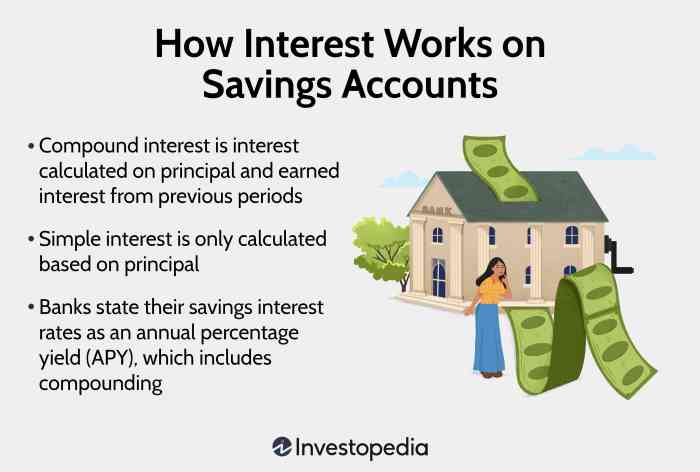
Interest rates are like the cherry on top of your financial sundae; they sweeten the deal, but they also vary based on the type of account and the bank. Here’s how they can affect your savings journey:Interest rates determine how much your money will grow over time. A higher interest rate means more earnings, which can be the difference between a modest savings pot and a mini fortune! For example, if you deposit $1,000 in a traditional savings account with a 0.01% interest rate, you’ll earn a whopping $0.10 in a year.

But, with a high-interest savings account offering 2%, you’ll pocket $20 instead!

“The magic of compound interest means your savings can grow exponentially over time, just like your love for pizza on a Friday night!”

Benefits and Drawbacks of Using a Savings Account for Financial Planning

Saving is crucial for financial security, and savings accounts have their own set of pros and cons to consider:The benefits of using a savings account include:

Liquidity

You can easily access your money whenever you need it, making it a secure place for short-term savings.

Safety

Most savings accounts are insured by the FDIC (in the U.S.) up to $250,000, ensuring your hard-earned cash remains safe from the financial boogeyman.

Interest Earnings

While not a get-rich-quick scheme, the interest earned over time can add up, especially if you diligently contribute to your account.However, there are drawbacks:

Lower Returns

Compared to stocks or other investment vehicles, savings accounts typically offer lower returns, which can feel like watching paint dry on a rainy day.

Inflation Risk

If your interest rate doesn’t keep up with inflation, your money could lose purchasing power. So while you may have more dollars, those dollars may not buy as much!

Limited Transactions

Some accounts impose limits on withdrawals, which can feel like being grounded when all your friends are out partying.Understanding the ins and outs of savings accounts can help you make informed decisions about where to stash your hard-earned cash. Remember, every penny counts, especially when it comes to building a nest egg for future adventures!

Savings Accounts vs. Other Financial Products

When it comes to saving your hard-earned dough, you might think of a savings account as your trusty old piggy bank, but with a bit more flair and interest. However, there are other contenders in the financial arena, such as money market accounts and certificates of deposit (CDs), each with their own unique quirks and benefits. In this delightful showdown, we’ll sort through the financial jungle and lay bare the key differences between savings accounts and other financial products, all while trying to keep the seriousness to a minimum.

Comparison with Money Market Accounts and Certificates of Deposit

To understand how savings accounts stack up against money market accounts and CDs, let’s break it down in a way that even your grandma could understand – with clarity and humor! Savings accounts are like the reliable friend who always shows up on time, while money market accounts are a bit more of a snazzy outfit — they come with higher interest rates but require a higher minimum balance.

CDs, on the other hand, are that friend who commits to a long-term plan and won’t bail on you for a few years. Here’s a closer look at the nuances:

  • Savings Accounts: Generally offer lower interest rates but provide easy access to funds and minimal fees. Ideal for short-term savings goals.
  • Money Market Accounts: Often provide higher interest rates and check-writing privileges, but usually require a larger minimum balance to avoid fees. Perfect for those who like to keep their money bustling.
  • Certificates of Deposit (CDs): Offer fixed interest rates with a set maturity date. They come with penalties for early withdrawals, so only commit if you’re in it for the long haul!

Differences Between Savings Accounts and Investment Accounts

While savings accounts are the warm, fuzzy blankets of financial products, investment accounts are more like the rollercoasters at an amusement park — thrilling but a bit risky. Investment accounts can offer potentially higher returns but come with the possibility of losses that could make you scream (and not in the fun way). Let’s highlight the key differences that set these two categories apart:

  • Risk Factor: Savings accounts are low-risk, often insured by the government, while investment accounts can fluctuate wildly due to market conditions.
  • Return on Investment: Savings accounts provide stable but lower interest rates, while investment accounts can yield higher returns but with greater uncertainty.
  • Liquidity: Savings accounts allow for easy access to your cash, whereas investments can require time to liquidate and might incur fees.

Advantages of Savings Accounts Over High-Risk Investments

Diving into the high-risk investment pool can be exhilarating, but it’s also a bit like swimming with sharks — thrilling but potentially teeth-chattering. Savings accounts, on the other hand, offer a safe haven for your funds, with some enticing advantages over their high-risk counterparts. Here’s why you might want to cozy up with a savings account instead:

  • Stability: Your money won’t be doing the cha-cha in a volatile market. Savings accounts provide a safe harbor in stormy financial seas.
  • Accessibility: Need cash for that surprise pizza party? Savings accounts let you access your money without jumping through hoops (or paying penalties).
  • Peace of Mind: With insurance from the FDIC, your deposits are protected up to $250,000, giving you the security that high-risk investments can’t promise.

Integrating Savings Accounts into Financial Planning

Savings accounts

In the grand carnival of financial planning, savings accounts are like the cotton candy – sweet and delightful, but they also provide the crucial energy needed to enjoy the rides. Integrating savings accounts into your budgeting strategy is not just a good idea; it’s essential for a financially stable life. Let’s take a whimsical stroll through the land of savings and discover how they can help pave the road to financial awesomeness.

Incorporating Savings Accounts into Budgeting Strategies

When it comes to budgeting, think of your savings account as the trusty sidekick in your financial superhero saga. It’s always there to catch you when your wallet takes a tumble. Here are some tips on how to make your savings account shine in your budgeting:

  • Set Clear Savings Goals: Define what you’re saving for – be it a vacation, a new car, or the latest gadget. This will give your savings account a purpose, like a superhero with a mission.
  • Automate Your Savings: Set up automatic transfers to your savings account right after you get paid. It’s like sending your money to the gym – it’ll get stronger without even realizing it.
  • Use a Budgeting App: Leverage technology to track your spending and savings. Many apps can integrate directly with your savings account, providing you with insights that are more enlightening than a light bulb moment.
  • Prioritize Savings in Your Budget: Treat savings like a non-negotiable expense. If you can budget for your avocado toast and lattes, you can budget for your future!

The Role of Savings Accounts in Major Purchases

Planning for big-ticket items like auto loans or a down payment on a house can feel like preparing for a trip to Mars. But with a savings account in your toolkit, you’ll be ready for lift-off! Here’s how savings can help you prepare:

  • Down Payments: Saving for a down payment on a house or car is crucial. Many lenders require a certain percentage upfront, and having that cash saved can save you from drowning in debt.
  • Emergency Fund: Having a separate savings account for emergencies can prevent you from relying on high-interest loans. Think of it as a life raft in a sea of debt!
  • Improving Your Loan Terms: The more you save, the more you can reduce your loan amount, which translates to better interest rates and lower monthly payments. It’s like negotiating a discount on your favorite snack – who doesn’t love that?

Savings as a Shield Against Bankruptcy and Debt Management

In the battle against debt, your savings account acts as a protective shield. A well-padded savings account can save you from the perils of bankruptcy and help you manage debt like a pro. Here’s how:

  • Debt Payments: Having savings allows you to make extra payments on high-interest debts, thus minimizing the total interest paid. It’s like casting a spell that vanishes your debt faster!
  • Buffer Against Financial Emergencies: Unexpected costs can lead to reliance on credit cards, which often carry high-interest rates. Your savings account can act as a buffer, keeping you from falling into the debt trap.
  • Improved Credit Score: Maintaining a healthy savings balance can help you pay bills on time and reduce your debt-to-income ratio, positively impacting your credit score. A good score opens doors to better financial opportunities!

Closure

As we draw the curtains on this financial escapade, remember that savings accounts are not just boring bank boxes—they’re your trusty companions in the quest for financial security! With the right knowledge, you can leverage these accounts to not only save but thrive, steering clear of debt and preparing for future splurges. So go ahead, give your savings a spot in your financial plan, and watch as your money grows while you sit back and enjoy the ride!

Questions Often Asked

What is the minimum balance required for a savings account?

Minimum balances vary by bank, but many savings accounts allow you to start with as little as $1!

How often do savings accounts pay interest?

Most savings accounts pay interest monthly, but some might offer quarterly or annual payouts!

Can I withdraw money from my savings account anytime?

Generally, yes! Just keep in mind that some accounts may limit the number of withdrawals each month.

Are savings accounts insured?

Yes! Most savings accounts are insured by the FDIC (in the U.S.) up to $250,000, so your money is safe!

What happens if I don’t maintain the minimum balance?

Some banks will charge you a fee if you dip below the minimum balance, so keep an eye on your cash!