Best auto loans for your wallet on wheels

Best auto loans

Best auto loans pave the road to your next automotive adventure, like GPS for your budget! Whether you’re dreaming of a sleek sedan or a robust SUV, knowing your financing options can save you a fortune. With interest rates that may vary more than your favorite TV show plot twists, let’s dive into the delightful realm of auto loans, where your dream car and sensible financing await!

From banks to credit unions, and even those friendly online lenders, the universe of financing options is as vast as the cosmos. We’ll arm you with tips to snag the best rates and terms, and we’ll even throw in a few pro and con comparisons to help you figure out if an auto loan is the right choice for you or if paying cash for your vehicle is your golden ticket.

Best Auto Loans Overview

Finding the perfect auto loan can feel a bit like dating: you want someone who’s reliable, not too clingy (with high interest rates), and who can make your driving dreams come true without breaking the bank. The best auto loans in the market are designed to help you drive off in your dream vehicle while keeping your financial health intact.

Let’s buckle up and explore the features and benefits that these loans have to offer!Interest rates and loan terms are like the toppings on your pizza—they vary widely depending on where you go and what you order. Some lenders might offer low-interest rates that feel like a steal, while others might have rates that could make you feel like you’re being mugged by a mobster.

On top of that, loan terms can range from a quick 36 months to a leisurely 72 months. Keep in mind that the longer the term, the more you could end up paying in interest, but it might make those monthly payments more palatable. So, it’s crucial to shop around to find the best fit for your budget and lifestyle.

Features and Benefits of Auto Loans

When you’re considering an auto loan, it’s essential to weigh the features and benefits carefully. Here are some highlights to keep in mind:

  • Competitive Interest Rates: Many lenders offer attractive rates, especially for borrowers with excellent credit. Think of it as a VIP pass to the low-interest club!
  • Flexible Loan Terms: From short to long terms, you can find a plan that fits your financial situation. Just remember, longer terms might mean more interest—so choose wisely!
  • Quick Approval Processes: Many lenders provide quick online applications, letting you get pre-approved faster than you can say “vroom vroom.”
  • Borrowing Power: Auto loans can give you access to more expensive vehicles that you might not be able to buy outright. It’s like getting a credit card for your dream car!
  • Potential Tax Benefits: Depending on your location and circumstances, you might be able to write off some of the interest, especially if you’re using the car for business. Cha-ching!

Now, let’s dive into the pros and cons of taking out an auto loan versus paying cash for a vehicle. This is where the rubber meets the road, folks!

Comparison of Auto Loan vs. Cash Purchase

When it comes to financing your vehicle, deciding between an auto loan and paying cash is a pivotal moment in your financial journey. Here’s a closer look at the perks and pitfalls of each option:

  • Auto Loan Advantages:
    • Build your credit score by making timely payments.
    • Keep your cash reserves intact for emergencies or investments.
    • Enjoy lower monthly payments with longer loan terms.
  • Auto Loan Disadvantages:
    • Incurs interest, adding to the overall cost of the vehicle.
    • Potentially lengthy loan terms mean you could be in debt longer.
  • Cash Purchase Advantages:
    • No interest payments mean you pay exactly what the vehicle costs.
    • You own the car outright, which is a lovely feeling—like being the king or queen of your automotive castle.
  • Cash Purchase Disadvantages:
    • Depletes your savings, which could be risky in an emergency.
    • Limits access to more expensive models that require financing.

In the end, the choice between an auto loan and paying cash depends on your financial situation, preferences, and how much you value the comfort of having a shiny new ride without emptying your wallet.

Financing Options for Auto Loans

When it comes to financing your dream car, choosing the right lender is as crucial as choosing the right car. Forget about those flashy sports cars for a moment; let’s steer our attention toward the financial avenues available to you. The quest for the best auto loan is like navigating a maze—full of twists, turns, and the occasional dead end.

But don’t worry, we’ve got your back! There are various financing options that can help you rev up your purchase without stalling your finances. The three primary contenders in the auto loan arena are banks, credit unions, and online lenders. Each option has its unique characteristics, much like cars have their distinct features. So buckle up as we break down these financing options, comparing their accessibility, interest rates, and customer service for your ultimate benefit.

Types of Lenders

Understanding the main types of lenders can help you find the best fit for your borrowing needs. Here’s a look at the options:

  • Banks: Traditional banks often offer competitive rates and the convenience of having a physical location. However, they can be a bit more stringent with approvals. Think of them as the well-dressed, tuxedoed gentlemen at a fancy gala, who expect everything to be in order before they offer you a dance (or a loan).
  • Credit Unions: These member-owned institutions often provide lower interest rates and more personalized service. Imagine a cozy coffee shop where everyone knows your name and your favorite blend—credit unions work similarly but with loans instead of lattes.
  • Online Lenders: The online lending scene is like a fast-food drive-thru—quick, convenient, and sometimes a bit greasy. They can offer competitive rates and a hassle-free application process, but ensure you check their credentials to avoid any unpleasant surprises.

To secure the best rates and terms for auto loans, consider these tips that can give your budget a pit stop towards savings:

  • Improve Your Credit Score: A better credit score is like a turbocharger for your financing options, providing you with more power to negotiate lower interest rates.
  • Shop Around: Don’t just settle for the first offer. Comparing multiple lenders is like test-driving several cars—each one has its handling and features that could be more suited to your needs.
  • Consider a Large Down Payment: Putting more money down can reduce the amount you need to finance, much like reducing your car’s weight can improve its acceleration.
  • Look for Promotions: Keep an eye out for promotional rates or discounts from lenders—these can be the cherry on top of your financing sundae.

As you navigate the world of auto loans, remember that accessibility, interest rates, and customer service are crucial metrics to consider. Not all lenders are created equal, and understanding their differences can turn your financing journey from a bumpy ride into a smooth cruise.

“A car loan is not just about driving away with a new vehicle; it’s about steering your finances toward a brighter future.”

Impact of Bankruptcy on Auto Loans

Loans payment

Navigating the world of auto loans post-bankruptcy can feel like wandering through a maze with a blindfold on. The good news? You can still find your way to that shiny new ride! However, it’s vital to understand how bankruptcy affects your ability to secure an auto loan and what steps you can take to rev up your chances of approval.Bankruptcy is like a financial tornado; it can wreak havoc on your credit score, making lenders raise their eyebrows faster than a puppy seeing a squirrel.

When you declare bankruptcy, it typically stays on your credit report for up to ten years, which can make lenders hesitant to extend credit or offer you favorable terms. However, not all hope is lost! There are ways to improve your chances of securing an auto loan even after this financial storm has passed.

Steps to Take After Bankruptcy to Improve Loan Approval Chances

Recovering from bankruptcy is like training for a marathon; it requires commitment and perseverance. Here are some steps to enhance your chances of snagging that auto loan:

  • Rebuild Your Credit Score: Focus on paying off existing debts and making timely payments on any new credit. Think of it as a slow climb back to the summit of Credit Mountain!
  • Create a Budget: Displaying financial responsibility can impress lenders. Craft a budget that allows for savings and expenses without overextending yourself.
  • Consider a Co-signer: If you have a trusted friend or family member with a solid credit history, ask them to co-sign your loan. Just be sure they’re okay with potentially helping you out if you hit a bump in the road!
  • Seek Out Special Lenders: Some lenders specialize in working with individuals who have a bankruptcy history. These lenders understand the hurdles and may offer more accommodating terms.

Importance of Working with Bankruptcy Lawyers for Auto Loan Applications

Navigating the road to an auto loan post-bankruptcy can be prickly, akin to a hedgehog wearing a tutu. That’s why enlisting the help of a bankruptcy lawyer can be invaluable. They can guide you through the complex web of legal and financial terminology that feels like deciphering ancient hieroglyphics. Here are the key benefits of partnering with a bankruptcy lawyer during this process:

  • Expert Guidance: A lawyer can provide insights into how bankruptcy will impact your finances and assist you in making informed decisions regarding auto loans.
  • Negotiation Skills: With a legal eagle in your corner, you may be able to negotiate better terms and interest rates with lenders.
  • Application Assistance: A bankruptcy lawyer can help you fill out applications correctly, avoiding any potential pitfalls that could result in rejection.
  • Understanding Your Rights: They can ensure that your rights are protected during the loan application process, helping you avoid any predatory lending practices.

“Just like you wouldn’t jump into a swimming pool without checking the water first, don’t dive into an auto loan without understanding how bankruptcy plays into your financial future!”

Summary

Best auto loans

In conclusion, navigating the world of Best auto loans isn’t just a stroll in the park; it’s more like a thrilling rollercoaster ride! As you buckle up for your financial journey, remember that understanding the ins and outs of loans can lead you to the ultimate prize: that shiny new ride! So, whether you’re shaking hands with your bank or clicking “Apply Now” online, keep your wits about you, and may the odds of favorable interest rates forever be in your favor.

Question Bank

What is the best way to improve my credit score for auto loans?

Paying off outstanding debts, maintaining low credit card balances, and making timely payments can help boost your credit score before applying for an auto loan.

Can I get an auto loan with bad credit?

Yes, but be prepared for higher interest rates. Some lenders specialize in loans for individuals with less-than-stellar credit, so explore your options.

What documents do I need to apply for an auto loan?

You typically need proof of identity, income verification, employment history, and information about the vehicle you wish to purchase.

How long does it take to get approved for an auto loan?

Approval times can vary, but many lenders can provide a decision within a few hours to a few days, especially with online applications.

Can I refinance my auto loan later?

Absolutely! Refinancing can help you secure a lower interest rate or better terms down the line, especially if your credit score improves.
Savings accounts the secret weapon for your cash

Savings accounts

Welcome to the whimsical world of savings accounts, where your money takes a leisurely vacation while earning interest! Picture this: your hard-earned cash lounging by the pool, sipping a mocktail, and getting a nice tan—well, kind of! In this riveting tale, we’ll explore the ins and outs of savings accounts, from their various types to the dazzling ways they can boost your financial planning game.

Whether you’re looking to stash away some cash for a rainy day or planning for the next big purchase, savings accounts offer a safe haven with perks like interest rates and liquidity that will keep your financial dreams afloat. Buckle up as we navigate the different types of savings accounts, decode interest rates, and see how they stack up against their flashy financial cousins!

Understanding Savings Accounts

Savings accounts banks

Savings accounts are like the beloved pet goldfish of the financial world: they’re low-maintenance, always there when you need them, and can sometimes even surprise you with their growth! These accounts are designed to help you stash away cash while earning a little interest, so let’s dive into the varieties available and how they can impact your financial future—without putting you to sleep like a dull lecture.

Types of Savings Accounts

In the realm of savings accounts, variety is the spice of life! Here’s a rundown of the most common types you’ll encounter at your friendly neighborhood bank:

  • Traditional Savings Account: The classic choice for those who prefer simplicity. Offers modest interest rates and easy access, but might leave you feeling a bit underwhelmed in the growth department.
  • High-Interest Savings Account: Like a traditional account, but with a turbocharged interest rate. Perfect for those who want their money to grow faster than their neighbor’s lawn during spring!
  • Online Savings Account: These accounts live in the cloud and often offer higher interest rates because they don’t have the overhead of physical branches. It’s like having a savings account in your pocket while wearing your pajamas—how comfy!
  • Money Market Account: A hybrid between a savings and checking account. These typically come with a higher interest rate and may require a larger initial deposit, but be careful—some come with limited withdrawals per month, or else you might face fees!
  • Specialized Savings Accounts: Some banks offer themed accounts aimed at specific goals—think vacation funds or emergency savings. It’s like having a savings account that wears a costume to a party!

Interest Rates and Their Impact on Savings

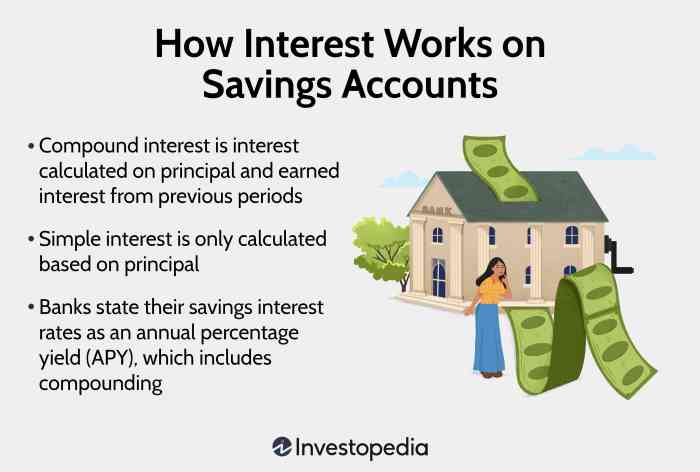
Interest rates are like the cherry on top of your financial sundae; they sweeten the deal, but they also vary based on the type of account and the bank. Here’s how they can affect your savings journey:Interest rates determine how much your money will grow over time. A higher interest rate means more earnings, which can be the difference between a modest savings pot and a mini fortune! For example, if you deposit $1,000 in a traditional savings account with a 0.01% interest rate, you’ll earn a whopping $0.10 in a year.

But, with a high-interest savings account offering 2%, you’ll pocket $20 instead!

“The magic of compound interest means your savings can grow exponentially over time, just like your love for pizza on a Friday night!”

Benefits and Drawbacks of Using a Savings Account for Financial Planning

Saving is crucial for financial security, and savings accounts have their own set of pros and cons to consider:The benefits of using a savings account include:

Liquidity

You can easily access your money whenever you need it, making it a secure place for short-term savings.

Safety

Most savings accounts are insured by the FDIC (in the U.S.) up to $250,000, ensuring your hard-earned cash remains safe from the financial boogeyman.

Interest Earnings

While not a get-rich-quick scheme, the interest earned over time can add up, especially if you diligently contribute to your account.However, there are drawbacks:

Lower Returns

Compared to stocks or other investment vehicles, savings accounts typically offer lower returns, which can feel like watching paint dry on a rainy day.

Inflation Risk

If your interest rate doesn’t keep up with inflation, your money could lose purchasing power. So while you may have more dollars, those dollars may not buy as much!

Limited Transactions

Some accounts impose limits on withdrawals, which can feel like being grounded when all your friends are out partying.Understanding the ins and outs of savings accounts can help you make informed decisions about where to stash your hard-earned cash. Remember, every penny counts, especially when it comes to building a nest egg for future adventures!

Savings Accounts vs. Other Financial Products

When it comes to saving your hard-earned dough, you might think of a savings account as your trusty old piggy bank, but with a bit more flair and interest. However, there are other contenders in the financial arena, such as money market accounts and certificates of deposit (CDs), each with their own unique quirks and benefits. In this delightful showdown, we’ll sort through the financial jungle and lay bare the key differences between savings accounts and other financial products, all while trying to keep the seriousness to a minimum.

Comparison with Money Market Accounts and Certificates of Deposit

To understand how savings accounts stack up against money market accounts and CDs, let’s break it down in a way that even your grandma could understand – with clarity and humor! Savings accounts are like the reliable friend who always shows up on time, while money market accounts are a bit more of a snazzy outfit — they come with higher interest rates but require a higher minimum balance.

CDs, on the other hand, are that friend who commits to a long-term plan and won’t bail on you for a few years. Here’s a closer look at the nuances:

  • Savings Accounts: Generally offer lower interest rates but provide easy access to funds and minimal fees. Ideal for short-term savings goals.
  • Money Market Accounts: Often provide higher interest rates and check-writing privileges, but usually require a larger minimum balance to avoid fees. Perfect for those who like to keep their money bustling.
  • Certificates of Deposit (CDs): Offer fixed interest rates with a set maturity date. They come with penalties for early withdrawals, so only commit if you’re in it for the long haul!

Differences Between Savings Accounts and Investment Accounts

While savings accounts are the warm, fuzzy blankets of financial products, investment accounts are more like the rollercoasters at an amusement park — thrilling but a bit risky. Investment accounts can offer potentially higher returns but come with the possibility of losses that could make you scream (and not in the fun way). Let’s highlight the key differences that set these two categories apart:

  • Risk Factor: Savings accounts are low-risk, often insured by the government, while investment accounts can fluctuate wildly due to market conditions.
  • Return on Investment: Savings accounts provide stable but lower interest rates, while investment accounts can yield higher returns but with greater uncertainty.
  • Liquidity: Savings accounts allow for easy access to your cash, whereas investments can require time to liquidate and might incur fees.

Advantages of Savings Accounts Over High-Risk Investments

Diving into the high-risk investment pool can be exhilarating, but it’s also a bit like swimming with sharks — thrilling but potentially teeth-chattering. Savings accounts, on the other hand, offer a safe haven for your funds, with some enticing advantages over their high-risk counterparts. Here’s why you might want to cozy up with a savings account instead:

  • Stability: Your money won’t be doing the cha-cha in a volatile market. Savings accounts provide a safe harbor in stormy financial seas.
  • Accessibility: Need cash for that surprise pizza party? Savings accounts let you access your money without jumping through hoops (or paying penalties).
  • Peace of Mind: With insurance from the FDIC, your deposits are protected up to $250,000, giving you the security that high-risk investments can’t promise.

Integrating Savings Accounts into Financial Planning

Savings accounts

In the grand carnival of financial planning, savings accounts are like the cotton candy – sweet and delightful, but they also provide the crucial energy needed to enjoy the rides. Integrating savings accounts into your budgeting strategy is not just a good idea; it’s essential for a financially stable life. Let’s take a whimsical stroll through the land of savings and discover how they can help pave the road to financial awesomeness.

Incorporating Savings Accounts into Budgeting Strategies

When it comes to budgeting, think of your savings account as the trusty sidekick in your financial superhero saga. It’s always there to catch you when your wallet takes a tumble. Here are some tips on how to make your savings account shine in your budgeting:

  • Set Clear Savings Goals: Define what you’re saving for – be it a vacation, a new car, or the latest gadget. This will give your savings account a purpose, like a superhero with a mission.
  • Automate Your Savings: Set up automatic transfers to your savings account right after you get paid. It’s like sending your money to the gym – it’ll get stronger without even realizing it.
  • Use a Budgeting App: Leverage technology to track your spending and savings. Many apps can integrate directly with your savings account, providing you with insights that are more enlightening than a light bulb moment.
  • Prioritize Savings in Your Budget: Treat savings like a non-negotiable expense. If you can budget for your avocado toast and lattes, you can budget for your future!

The Role of Savings Accounts in Major Purchases

Planning for big-ticket items like auto loans or a down payment on a house can feel like preparing for a trip to Mars. But with a savings account in your toolkit, you’ll be ready for lift-off! Here’s how savings can help you prepare:

  • Down Payments: Saving for a down payment on a house or car is crucial. Many lenders require a certain percentage upfront, and having that cash saved can save you from drowning in debt.
  • Emergency Fund: Having a separate savings account for emergencies can prevent you from relying on high-interest loans. Think of it as a life raft in a sea of debt!
  • Improving Your Loan Terms: The more you save, the more you can reduce your loan amount, which translates to better interest rates and lower monthly payments. It’s like negotiating a discount on your favorite snack – who doesn’t love that?

Savings as a Shield Against Bankruptcy and Debt Management

In the battle against debt, your savings account acts as a protective shield. A well-padded savings account can save you from the perils of bankruptcy and help you manage debt like a pro. Here’s how:

  • Debt Payments: Having savings allows you to make extra payments on high-interest debts, thus minimizing the total interest paid. It’s like casting a spell that vanishes your debt faster!
  • Buffer Against Financial Emergencies: Unexpected costs can lead to reliance on credit cards, which often carry high-interest rates. Your savings account can act as a buffer, keeping you from falling into the debt trap.
  • Improved Credit Score: Maintaining a healthy savings balance can help you pay bills on time and reduce your debt-to-income ratio, positively impacting your credit score. A good score opens doors to better financial opportunities!

Closure

As we draw the curtains on this financial escapade, remember that savings accounts are not just boring bank boxes—they’re your trusty companions in the quest for financial security! With the right knowledge, you can leverage these accounts to not only save but thrive, steering clear of debt and preparing for future splurges. So go ahead, give your savings a spot in your financial plan, and watch as your money grows while you sit back and enjoy the ride!

Questions Often Asked

What is the minimum balance required for a savings account?

Minimum balances vary by bank, but many savings accounts allow you to start with as little as $1!

How often do savings accounts pay interest?

Most savings accounts pay interest monthly, but some might offer quarterly or annual payouts!

Can I withdraw money from my savings account anytime?

Generally, yes! Just keep in mind that some accounts may limit the number of withdrawals each month.

Are savings accounts insured?

Yes! Most savings accounts are insured by the FDIC (in the U.S.) up to $250,000, so your money is safe!

What happens if I don’t maintain the minimum balance?

Some banks will charge you a fee if you dip below the minimum balance, so keep an eye on your cash!

Passive income ideas for financial freedom seekers

Passive income ideas

Welcome to the whimsical world of Passive Income Ideas, where money works harder than we do—like that one friend who always volunteers for the group project! Imagine sipping a piña colada on a sunny beach while your bank account fills up, all thanks to some smart investments and a sprinkle of creativity. If you’re ready to dive into the treasure chest of financial freedom, you’ve hit the jackpot!

Passive income isn’t just a pipe dream; it’s a strategy for turning your money into a well-oiled machine. From real estate investments that generate rent like clockwork to dividend stocks that shower you with cash while you sleep, there’s a veritable buffet of options available! Plus, by diversifying your income streams, you can minimize risks and maximize those sweet rewards.

So buckle up as we explore the ins and outs of creating your very own passive income empire!

Passive Income Strategies

Generating passive income is like planting a money tree in your backyard—only without the need for constant watering or worrying about whether it’s getting enough sunlight. The beauty of passive income lies in its ability to generate revenue while you kick back, relax, or take a nap on the couch. Let’s dive into some exciting strategies that can help you cultivate this financial garden.

Real Estate Investments

Investing in real estate is a classic method for building passive income. It’s not just about buying a property and hoping for the best; it requires some strategy and savvy. The key is to find properties that will appreciate in value over time while providing rental income. Here are some ways to get started:

  • Rental Properties: Purchase residential or commercial properties and rent them out. Ensure you choose locations with growing job markets and good schools to attract quality tenants.
  • Real Estate Investment Trusts (REITs): If the thought of becoming a landlord sounds exhausting, invest in REITs. These are companies that own or finance income-producing real estate and pay dividends to their shareholders.
  • Vacation Rentals: With platforms like Airbnb, renting out a property for short stays can yield high returns, especially in tourist hotspots.

Investing in real estate allows you to earn money even while you’re on a beach sipping a piña colada.

Dividend Stocks

Dividend stocks are like the reliable friends who always show up with snacks at your party. They provide consistent payouts, giving you a steady stream of income without having to actively manage them. Here’s how to tap into this strategy:

  • Choose Stable Companies: Look for companies with a history of paying dividends consistently—think of the blue-chip stocks that have stood the test of time.
  • Reinvest Dividends: Use a Dividend Reinvestment Plan (DRIP) to automatically reinvest your dividends. Your future self will thank you for letting that compounding magic work its wonders.
  • Diversify Your Portfolio: Don’t put all your eggs in one basket. Spread your investments across different sectors to mitigate risks and maximize returns.

Smart investing in dividend stocks can turn your portfolio into a cash-generating machine.

Online Business Ventures

Launching an online business can be a goldmine for passive income, especially when you set it up to run itself. Here’s a roadmap to creating a successful online venture:

  • Identify a Niche: Find a niche that you are passionate about and that has market demand. Whether it’s selling quirky socks or offering digital courses, the options are endless.
  • Build a Website: Your website is your storefront. Make it visually appealing and easy to navigate. Use platforms like Shopify or WordPress to simplify setup.
  • Automate and Outsource: Leverage technology to automate repetitive tasks. Use tools for email marketing, social media posting, and even customer service chatbots. Consider hiring freelancers for jobs that require human touch.

Launching an online business can earn you money while you sleep—now, that’s a dream come true!

Diversification in Passive Income Streams

Diversification is the secret sauce to a robust passive income strategy. Just like you wouldn’t want to eat only pizza for every meal (as tempting as that may sound), relying on a single income source is risky. Here’s why diversifying is essential:

  • Risk Mitigation: If one income stream falters, others can help cushion the blow. For instance, if your rental property has a vacancy, your dividend stocks can still provide income.
  • Increased Opportunities: A variety of income sources means more opportunities to earn. You might find that one stream significantly outperforms the others, leading to unexpected earnings.
  • Enhanced Stability: A mixed portfolio of income-generating assets can provide a steady cash flow, allowing you to enjoy your life without financial stress.

Diversifying your passive income streams ensures that you’re never putting all your financial eggs in one basket, and who wants to live that dangerously?

Financial Management for Passive Income

Passive theworkathomewife

When it comes to passive income, the golden rule is: “You can’t catch money if you don’t know where it’s running!” Financial management plays a crucial role in ensuring that your funds are allocated efficiently for investments that will keep pouring money into your pocket while you sip a piña colada on the beach. Here’s how to make your financial ducks line up in a row.

Budgeting for Passive Income Investments

Creating a solid budget is like building a foundation for your financial house—it keeps everything from crumbling down around you. By knowing where every penny goes, you can carve out a chunk specifically for passive income investments. The importance of budgeting cannot be overstated. It allows you to prioritize your expenses and find those sneaky little savings that can be redirected to more profitable ventures.

  • Track Your Spending: Use budgeting apps or a classic spreadsheet (yes, those still exist) to monitor your expenses. Identify your “need to haves” versus your “nice to haves.” You might discover that your daily avocado toast habit could fund a share in that hot new startup!
  • Set Clear Financial Goals: Establish short-term and long-term financial goals. Want to own rental property by next year? Make a plan! Want to retire on a beach in Bali? Start saving today! Having clear goals helps you stay focused and motivated.
  • Build an Emergency Fund: Before you start investing, make sure you have a safety net. Aiming for three to six months’ worth of expenses is a good target. This way, if your new investment goes belly up, you won’t have to resort to couch surfing.

The Role of Financial Literacy in Investment Decisions

Financial literacy is your passport to the investment world. Without it, you might as well be trying to navigate a foreign country without a map (or Google Maps, for that matter). Understanding the financial landscape gives you the confidence to make informed decisions and avoid pitfalls that could turn your passive income dream into a nightmare.

  • Investing Basics: Familiarize yourself with the different types of investments, such as stocks, bonds, real estate, and peer-to-peer lending. Each has its risk and reward profile, and knowing them can help you choose wisely.
  • Read Financial Reports: Learn to read balance sheets, income statements, and cash flow statements. This skill is akin to being able to read the fine print in a dating profile—you’ll avoid some nasty surprises down the line.
  • Stay Updated: Keep up with market trends and economic news. Consider following reputable financial news sources or podcasts. Remember, knowledge is power—especially when it comes to your bank account!

Improving Credit Scores for Better Loan Terms

A common misconception is that credit scores are like the Hogwarts Sorting Hat: they just happen to you. In reality, you have the power to influence this number. A higher credit score can secure you better loan terms, making it easier to finance your passive income investments.

  • Pay Your Bills on Time: This is the golden rule of credit scores. Set up reminders or automatic payments to ensure that you’re never late. A late payment can feel like a bad breakup—messy and long-lasting.
  • Reduce Credit Card Balances: Aim to keep your credit utilization ratio below 30%. This means if you have a $10,000 credit limit, try not to owe more than $3,000. Think of this as keeping your financial hygiene in check!
  • Avoid Opening New Credit Accounts Frequently: Each time you apply for new credit, a hard inquiry is made, which can ding your score. Instead, focus on nurturing your existing lines of credit like they’re delicate little seedlings.

“Financial freedom is available to those who learn about it and work for it.”

Robert Kiyosaki

Understanding Financial Obligations

When it comes to passive income, understanding financial obligations is as crucial as knowing the difference between a dividend and a donut. Your financial responsibilities can significantly impact your ability to generate and enjoy passive income streams. Whether it’s a shiny new car, unexpected medical bills, or the repercussions of bankruptcy, these factors can influence your financial landscape. Let’s dive into how these obligations shape your journey to financial freedom.

Impact of Auto Loans on Personal Finance

Auto loans can be the charming yet mischievous gremlins of your financial life. While they can get you from point A to point B in style, they also come with monthly payments that can gobble up your cash flow. When you take on an auto loan, you’re committing a portion of your income to pay off that polished metal beast.

This, in turn, can limit your ability to invest in passive income opportunities. For instance, if your monthly car payment runs into the hundreds, that’s money you could have otherwise funneled into stocks, real estate, or your burgeoning Etsy shop.

“Loans are like ice cream—sweet at first but can lead to a brain freeze if you’re not careful.”

Consider the following factors when evaluating auto loans:

  • Monthly Payment: The higher your payment, the less disposable income for investments.
  • Interest Rates: A higher rate means more money lost in interest over time.
  • Loan Term: Longer terms may lessen monthly payments but increase total interest paid.

Bankruptcy Process and Its Implications

The bankruptcy process is like a roller coaster—filled with ups and downs, and maybe a few screams along the way. For individuals seeking to rebuild their financial stability, understanding bankruptcy is essential. When one files for bankruptcy, they are essentially waving a white flag in the face of overwhelming debt. While it can discharge certain debts, it comes with long-term implications for credit scores and financial opportunities.Going through bankruptcy often involves:

  • Filing a petition in court to declare insolvency.
  • Meeting with a trustee who will review your financial situation.
  • Potential liquidation of assets to pay off creditors.
  • Rebuilding credit through responsible financial actions post-bankruptcy.

It’s not the end of the world, but it’s certainly a detour—one that can be navigated with patience and a solid plan.

Managing Medical Debt While Pursuing Passive Income

Medical debt can hit harder than a surprise bill for a broken leg after a tumble down the stairs. Balancing your health expenses while trying to build a passive income portfolio is crucial. Here are some actionable tips to keep your medical debt manageable without sacrificing your investment dreams:

  • Negotiate your bills—don’t be afraid to ask for discounts or payment plans.
  • Set aside a small amount of your income specifically for medical expenses.
  • Consider a health savings account (HSA) to save tax-free for medical costs.
  • Prioritize paying off high-interest medical debt first.
  • Stay informed about your insurance coverage to avoid surprises.

Managing medical debt while focusing on passive income is all about keeping your head above water—preferably while sipping a piña colada from your investment gains.

Conclusion

Passive income ideas

And there you have it—your crash course in the art of passive income! With the right strategies, financial management, and a dash of creativity, you can set yourself on a path where your money does the heavy lifting. Remember, it’s not just about making money; it’s about making your money work for you. So grab those ideas, dive into your investments, and let the passive income flow while you kick back and enjoy life!

Expert Answers

What is passive income?

Passive income is money earned with minimal effort on the part of the recipient, often generated through investments or side businesses that require little ongoing work after initial setup.

Can anyone create passive income streams?

Absolutely! With the right knowledge and determination, anyone can establish multiple streams of passive income, regardless of their financial background.

How long does it take to start earning passive income?

The timeframe varies based on the method you choose, but generally, expect a few months of initial effort before seeing significant returns.

Is passive income taxable?

Yes, passive income is subject to taxation, just like your regular income. Always consult a tax professional to navigate the specifics!

What’s a common mistake to avoid with passive income?

A common mistake is putting all your eggs in one basket. Diversifying your income sources helps protect against potential losses.