Foreclosure and bankruptcy the financial rollercoaster ride

Bank repo homes sign owned estate real stock governments finding seize foreclosure stop royalty grab americans ways land bankruptcy

Welcome to the wild world of Foreclosure and bankruptcy, where financial dreams can go to die and be resurrected like a financial phoenix! You might think of it as a sad tale of lost homes and dwindling bank accounts, but fear not! We’re here to navigate through the maze of paperwork and legal jargon, shedding light on how to dodge the financial Grim Reaper and maybe even laugh along the way.

In this guide, we’ll unravel the foreclosure process, dissect bankruptcy options, and slap together some snazzy financial recovery strategies that’ll make your future shine brighter than your grandma’s prized silverware. From understanding the nitty-gritty of credit scores and foreclosure types to mastering that post-bankruptcy budgeting plan, we’ve got everything you need right here!

Foreclosure Process and Implications

The foreclosure process can feel like a rollercoaster ride, but not the fun kind with cotton candy and thrill-seeking glee. Instead, it’s more like that awkward ride where you regret your decisions halfway through. Understanding this process is crucial to navigate the financial labyrinth and come out the other side with your sanity intact and your credit score not looking like a disaster zone.The foreclosure process typically unfolds in a series of steps that can seem daunting and perplexing, much like assembling IKEA furniture without instructions.

Here’s a closer look at the process and its implications for your financial well-being.

Steps in the Foreclosure Process

Foreclosure isn’t an overnight affair; it’s a slow dance that can last several months. Understanding the sequence of events is essential for anyone facing the music. Here’s how it generally goes down:

  • Missed Payments: It all starts innocently enough with a missed mortgage payment. One month leads to two, and suddenly your lender is sending you love letters that are anything but affectionate.
  • Default Notice: After three to six months of missed payments, you’ll get a default notice. Think of this as the mortgage equivalent of your mom saying, “We need to talk.”
  • Foreclosure Filing: If things don’t improve, the lender will file a foreclosure suit. This is where the real legal drama begins, complete with court appearances and legal jargon that sounds like a foreign language.
  • Court Hearing or Auction: Depending on your state, you may face a court hearing (judicial foreclosure) or a public auction (non-judicial foreclosure). It’s like being on trial for a crime you didn’t commit—your mortgage payment.
  • Eviction: If the situation escalates to the point of no return, an eviction notice may follow. At this point, you might want to pack your bags and find a cozy corner in your friend’s basement.

Impact of Foreclosure on Personal Credit Scores

Foreclosure doesn’t just slam the door on your house; it also takes a sledgehammer to your credit score. The impact is severe and long-lasting, much like that one embarrassing photo from college that keeps resurfacing at family gatherings. Here’s how it breaks down:

  • Initial Score Drop: Expect an immediate drop of anywhere from 100 to 200 points on your credit score. Ouch! That’s like getting slapped in the face with reality.
  • Long-term Effects: A foreclosure can linger on your credit report for up to seven years. It’s the unwanted guest that just wouldn’t leave, haunting your financial history.
  • Future Credit Challenges: Securing new loans or credit can become as tricky as finding a parking spot in a busy city. Lenders will see the foreclosure and may hesitate to offer you credit, fearing you might lead them down the same dark path.

Judicial vs. Non-Judicial Foreclosure Processes

When it comes to foreclosure, the method can vary based on where you live, and it’s essential to know the difference between judicial and non-judicial processes. Each has its quirks, like comparing cats to dogs—similar yet completely different in behavior.

  • Judicial Foreclosure: This process involves the court system, where the lender must file a lawsuit to initiate foreclosure. It’s akin to a dramatic courtroom scene in a movie, complete with legal wrangling.
  • Non-Judicial Foreclosure: This method bypasses the court system entirely, allowing lenders to foreclose on properties through a series of out-of-court steps. It’s like a quickie divorce—fast and, well, emotionally taxing.
  • Timeframe Differences: Judicial foreclosures can take a long time to resolve, sometimes spanning years. Non-judicial foreclosures are typically quicker, meaning you might be packing your bags sooner than you’d like.

Bankruptcy Options and Processes
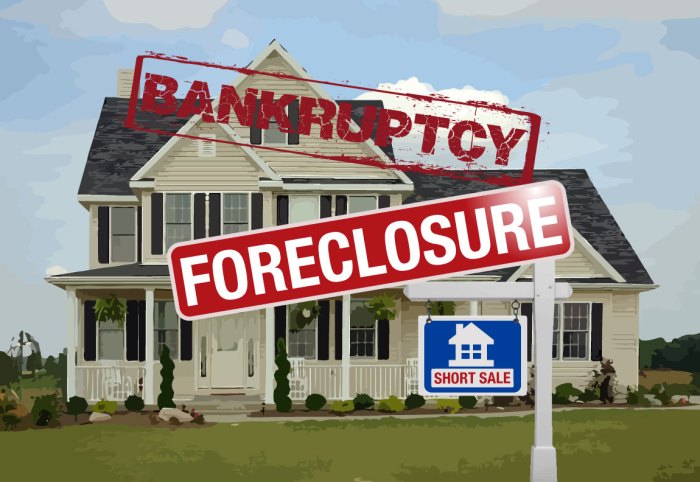
Foreclosure bankruptcy stop

When life throws financial curveballs, sometimes you just have to throw your hands up and say, “I’m bankrupt!” But fret not, because bankruptcy isn’t the end of the world—it’s more like a cringe-worthy plot twist in your financial drama. In this segment, we’ll explore the various bankruptcy options available and what it takes to file for them. Spoiler alert: it’s more than just a dramatic sigh and a pile of bills.Different types of bankruptcy exist for both individuals and businesses, and understanding these options can help you navigate the rough waters of financial distress.

Below, we detail the most common types of bankruptcy, along with the requirements and documentation needed to dive in.

Types of Bankruptcy

Navigating the world of bankruptcy can feel like trying to find your way through a corn maze at midnight. But fear not! Here’s a handy guide to the types of bankruptcy you might encounter, each with its own unique flavor.

  • Chapter 7 Bankruptcy: This is the “liquidation” type, where eligible debtors can wipe out most of their unsecured debts and get a fresh start. It’s like spring cleaning, but for your finances!
  • Chapter 11 Bankruptcy: Mainly for businesses, this type allows them to reorganize their debts while keeping operations running. It’s the corporate equivalent of putting on a superhero cape and saying, “I can still save the day!”
  • Chapter 13 Bankruptcy: This option is for individuals who have a regular income and want to create a repayment plan to pay back their debts over time. Think of it as a long-term subscription service for your financial obligations.

Requirements and Documentation

Now that you know the types of bankruptcy, let’s talk about what you need to actually file. Spoiler: it involves paperwork—a lot of it! Here’s a list of the typical requirements and documentation needed, so you can prepare like a pro.

  • Credit Counseling Certificate: Before filing, you must complete a credit counseling course and obtain a certificate. It’s the warm-up before your financial marathon!
  • Income Documentation: This includes pay stubs, tax returns, and any other evidence of income. Basically, you need to prove you’re not hiding a treasure chest of gold somewhere.
  • List of Debts: You’ll need to compile a comprehensive list of debts, including amounts and creditor information. Think of it as writing a love letter to all the people you owe money to—very heartfelt!
  • Asset Documentation: Details about your assets, including property and bank accounts, must be disclosed. Because hiding things from the court is like trying to hide a hippo in your closet—impossible!

Average Timeline and Costs

Filing for bankruptcy isn’t a quick jaunt to the beach; it’s more of a marathon through paperwork and court dates. Here’s what you can expect regarding timelines and costs, so you can plan accordingly and maybe even have a snack or two along the way.

  • Timeline: The average timeline for a Chapter 7 bankruptcy is approximately 3 to 6 months, while Chapter 13 can take 3 to 5 years due to the repayment plan. Patience is key here—maybe take up knitting?
  • Costs: Filing fees range from $310 for Chapter 13 to $335 for Chapter 11, plus attorney fees that can vary widely. Budgeting for these costs is essential, lest you find yourself back in the bankruptcy cycle faster than you can say, “I’ll never financially recover from this!”

“Bankruptcy is not a failure; it’s a chance to start anew.”

Financial Recovery Strategies

Recovering from foreclosure or bankruptcy can feel like trying to find a needle in a haystack while blindfolded. Yet, fear not! With a sprinkle of financial wisdom and a dash of humility, you can navigate the rough waters of financial recovery like a seasoned sailor. This guide offers actionable strategies to help you regain your financial footing, rebuild your credit, and even demystify the loans that could aid your recovery.

Comprehensive Budgeting Plan Post-Foreclosure or Bankruptcy

Creating a comprehensive budgeting plan is akin to drawing a treasure map to your financial recovery. A solid budget leads you through the maze of expenses and income, ensuring you don’t end up lost in a financial wilderness. To embark on this budgeting adventure, consider the following essential steps:

  • Track Your Income: Start by writing down all sources of income. This includes your salary, side hustles, and any passive income streams (yes, those exist!).
  • List Your Expenses: Next, jot down all monthly expenses. Don’t forget the sneaky ones like subscriptions and that occasional impulse buy of artisanal avocado toast.
  • Prioritize Needs Over Wants: Separate your needs (like food and shelter) from your wants (like that new gaming console). Allocate funds accordingly to avoid overspending.
  • Establish an Emergency Fund: Try to squirrel away a little something each month for emergencies. Think of it as your financial safety net, catching you when life throws curveballs.
  • Review and Adjust Regularly: A budget isn’t a one-and-done deal; it needs regular check-ups. Review it monthly to make adjustments as needed—just like a car requires oil changes.

“A budget is telling your money where to go instead of wondering where it went.” – Dave Ramsey

Tips for Rebuilding Credit After Foreclosure or Bankruptcy

Rebuilding credit post-financial hiccups might feel like trying to climb Mount Everest in flip-flops, but with the right gear, it’s totally achievable. Your credit score is a crucial part of your financial health and can influence your ability to secure loans down the road. Here are some fabulous pointers to get you back on track:

  • Check Your Credit Report: Obtain your credit report and review it for errors. Dispute any inaccuracies because your credit score shouldn’t be blemished by someone else’s mistakes.
  • Pay Bills on Time: Establish a history of timely payments. Consider automating payments to avoid the risk of a missed due date—your future self will thank you.
  • Consider a Secured Credit Card: Using a secured credit card responsibly can help rebuild your credit. Just remember, it’s not a license for a shopping spree!
  • Limit New Credit Applications: Each time you apply for new credit, your score takes a slight hit. Be strategic and only apply when necessary.
  • Keep Old Accounts Open: Length of credit history matters. Keeping older accounts open (even if you don’t use them) can positively impact your score.

“The only way to improve your credit score is to pay your bills, reduce your debt, and keep your spending in check.”

Comparison of Commercial Loans and Personal Loans in the Context of Financial Recovery

When it comes to financing your recovery, understanding the difference between commercial loans and personal loans is paramount. Each has its own set of characteristics, benefits, and pitfalls, like a choose-your-own-adventure book where the path you take can significantly alter your financial future.

Aspect Commercial Loans Personal Loans
Purpose Intended for business needs, such as expansion or equipment purchases. Used for personal expenses like debt consolidation or major purchases.
Collateral Often requires collateral (assets) to secure the loan. Usually unsecured; relies on creditworthiness.
Loan Amount Tends to be larger amounts compared to personal loans. Typically smaller amounts, suitable for individual needs.
Interest Rates Interest rates can vary widely based on business risk factors. Generally lower interest rates for those with good credit.
Application Process Can be more complex with extensive documentation required. Typically simpler and faster application process.

With a clear understanding of your options, you are now equipped to make informed decisions that can aid your financial recovery journey. Remember, every small step can lead to big changes, so keep your eyes on the prize and let your financial phoenix rise from the ashes!

Last Recap

Bank repo homes sign owned estate real stock governments finding seize foreclosure stop royalty grab americans ways land bankruptcy

And there you have it! With newfound knowledge about Foreclosure and bankruptcy, you’re now armed to the teeth (well, metaphorically) to tackle these financial challenges head-on. Whether you’re in the midst of a crisis or planning your financial future, remember that a good strategy can turn even the bleakest of situations into a springboard for success. So go forth, conquer those credit scores, and may your financial journey be as smooth as a freshly paved road!

Q&A

What is the first step in the foreclosure process?

The first step typically involves a missed mortgage payment, which sets off a chain of notifications and legal actions by the lender.

How long does bankruptcy stay on your credit report?

Bankruptcy can stay on your credit report for up to 10 years, but the pain fades over time if you rebuild your credit wisely!

Can I keep my house if I file for bankruptcy?

It depends on the type of bankruptcy you file and your state laws, but many folks can keep their homes with the right strategies.

What’s the difference between Chapter 7 and Chapter 13 bankruptcy?

Chapter 7 wipes out most debts quickly but may require selling assets, while Chapter 13 is a repayment plan that allows you to keep your assets while paying off debts over time.

Is foreclosure the same as bankruptcy?

Nope! Foreclosure is the process of losing your home due to unpaid mortgage, while bankruptcy is a legal way to manage or eliminate debt.
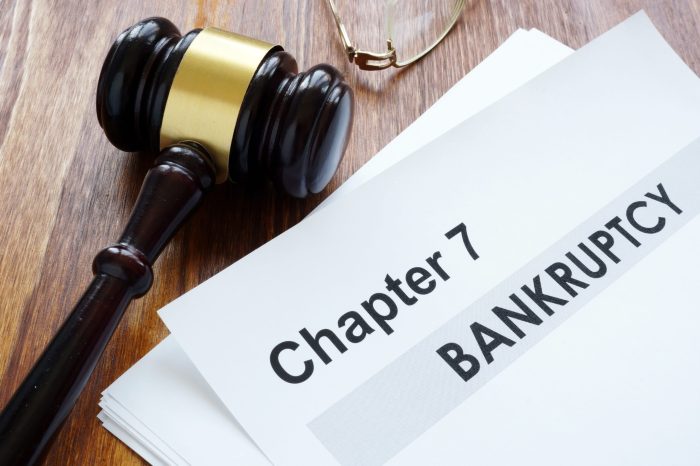
Chapter 7 bankruptcy A Rollercoaster Ride to Financial Freedom

Bankruptcy process efinancemanagement

Welcome to the wild world of Chapter 7 bankruptcy, where your financial woes can take a scenic detour to reliefville! Imagine a place where overwhelming debt gets a one-way ticket out of your life, and you’re left with a fresh start and a lot less stress—now that’s a ride worth taking!

In this episode of Financial Adventures, we’ll dive into the nuts and bolts of Chapter 7 bankruptcy: what it is, who can hop on this ride, and what magical wonders happen to your credit afterward. Strap in as we explore the debt-dodging delights and the post-bankruptcy budgeting wizardry!

Understanding Chapter 7 Bankruptcy

Chapter 7 bankruptcy, often dubbed the “fresh start” option, offers individuals drowning in debt a lifeline. Imagine a financial reset button that allows you to wave goodbye to most of your unsecured debts—sounds appealing, right? But before you start popping the confetti and planning your debt-free celebration, it’s essential to navigate the process and understand the criteria you must meet to qualify for this financial cleanse.Filing for Chapter 7 bankruptcy is akin to preparing for a roller coaster ride: it requires some paperwork, a few key decisions, and a willingness to hold on tight.

The process begins with completing a means test to evaluate your income against the state median; if you’re below that threshold, congratulations! You’re eligible for Chapter 7. Next up, you’ll need to gather your financial documents, complete the bankruptcy petition, and file it in your local bankruptcy court. Don’t forget to pay the filing fee—because unfortunately, even bankruptcy has its toll.

After filing, a trustee will be appointed to review your case, and they’ll help ensure an orderly liquidation of non-exempt assets.

Eligibility Criteria for Chapter 7 Bankruptcy

Understanding eligibility for Chapter 7 is vital, as this legal avenue isn’t a free-for-all. Individuals must meet specific criteria to take advantage of this financial reprieve. Here are the key factors that determine eligibility:

  • Means Test: Your average monthly income must fall below the state median for a household of your size. If your income is higher, don’t despair—there’s still the possibility of qualifying through additional calculations regarding your expenses.
  • Credit Counseling: Before you can file, you must complete a bankruptcy credit counseling course from an approved agency. This course can often be done online and is designed to ensure you understand your financial situation.
  • No Recent Bankruptcy Filings: If you’ve successfully filed for Chapter 7 bankruptcy in the last eight years, you’re unfortunately not eligible to file again just yet. Think of it as a cooling-off period for your finances.
  • Asset Consideration: While there are exemptions for certain types of assets, if you own valuable non-exempt property that could be sold to pay creditors, you may need to reconsider filing for Chapter 7.

Impact of Chapter 7 Bankruptcy on Credit Ratings

The financial aftershocks of filing for Chapter 7 bankruptcy can be significant, but they are not necessarily the end of the world. While your credit score may take a nosedive—potentially dropping by 130 to 240 points depending on your previous standing—this is a temporary setback. Here’s how it plays out in the grand financial scheme:

  • Immediate Impact: The bankruptcy will remain on your credit report for up to 10 years. This may make it challenging to secure loans or credit cards initially, but it doesn’t mean you’re banished to a life of cash-only dealings.
  • Rebuilding Opportunities: Many individuals can begin to rebuild their credit within a year of filing. Responsible use of credit cards and timely payments on new accounts can gradually improve your score.
  • Potential for Higher Interest Rates: When you do qualify for new credit, expect to face higher interest rates. It’s like being charged extra for a “debt-come-back” ticket at the amusement park of finances.
  • Future Financial Opportunities: While immediate access to credit may be limited, Chapter 7 can pave the way for a healthier financial future. With a clean slate, you can establish better spending habits and learn to manage your finances more effectively.

“Bankruptcy is not the end; it’s a chance to start anew.”

Financial Considerations and Consequences

Chapter 7 bankruptcy

Chapter 7 bankruptcy can feel like a financial rollercoaster, and not the fun kind where you throw your hands in the air. Before you buckle up, let’s dive into the nitty-gritty of what this ride entails, specifically regarding the types of debts you can wave goodbye to, how it impacts your auto loans, and some savvy tips for managing your finances post-bankruptcy, so you can get back on track without losing your lunch.

Types of Debts Discharged Under Chapter 7 Bankruptcy

One of the most significant aspects of filing for Chapter 7 bankruptcy is the ability to discharge certain unsecured debts. This means you can potentially kick some pesky financial obligations to the curb. Here’s a list of what debts you can typically expect to say farewell to:

  • Credit card debt: Those shopping sprees that seemed like a good idea at the time? Yeah, they can be wiped clean.
  • Medical bills: Because sometimes life throws you a curveball, and you end up with more hospital visits than you bargained for.
  • Personal loans: Whether from friends, family, or that “friendly” loan shark, these debts can often be discharged.
  • Collection agency debts: If you’ve been dodging calls from collectors, they may no longer be a concern after bankruptcy.
  • Certain utility bills: Keep the lights on post-bankruptcy without the weight of past due balances on your shoulders.

Discharging debts under Chapter 7 can provide the fresh start you need, but not all debts are eligible. Certain obligations like student loans and child support usually stick around like that one uninvited party guest.

Implications of Chapter 7 Bankruptcy on Auto Loans and Financing

When it comes to your trusty steed (a.k.a. your vehicle), Chapter 7 bankruptcy has some specific implications that can affect your ride. Here’s a rundown on what happens to auto loans post-bankruptcy:

  • If you want to keep your car, you’ll need to continue making payments. The bankruptcy doesn’t erase the loan; it just helps with unsecured debts.
  • In some cases, you can reaffirm the loan, which means you agree to continue paying it off after bankruptcy, thus keeping your car in your driveway instead of the repossession lot.
  • However, if you decide to let the car go, the lender may repossess it, and any unsecured deficiency after selling the car may be discharged.
  • Your credit score will take a hit, which may affect your ability to secure financing for a new vehicle in the future.

Your car may be a focal point in your life, but remember: make sure those payments keep rolling in post-bankruptcy, or you might find yourself walking to work.

Managing Finances Post-Bankruptcy

Congratulations! You’ve danced through the world of bankruptcy, and now it’s time to put on your financial thinking cap and manage your money like a pro. Here are some essential budgeting strategies to help you stay afloat:

  • Create a realistic budget: List your income and all essential expenses. Don’t forget that fancy coffee habit – those little things add up!
  • Establish an emergency fund: Start small—aim for at least $500, then gradually build it to cover three to six months of expenses.
  • Track your spending: Use apps or a good ol’ spreadsheet to monitor every penny. It’s your money; treat it like royalty!
  • Limit credit card use: While new credit may be available, treat it like a spice—use it sparingly to avoid overwhelming your budget.
  • Consider credit counseling: Professional guidance can help you navigate your financial rebuilding, so you don’t have to go it alone.

Taking control of your finances post-bankruptcy means building a solid foundation for a secure financial future. Remember, it’s not just about surviving; it’s about thriving!

Legal Support and Resources

Navigating the choppy waters of Chapter 7 bankruptcy can feel like trying to paddle a canoe through a waterfall—daunting and wet. Luckily, you don’t have to go it alone! That’s where bankruptcy lawyers come in, acting as your trusty life jackets, guiding you away from the rocks and toward calmer currents. Let’s dive into the invaluable role these legal wizards play, how to find the right one, and additional resources available to help you along this bumpy ride.

Role of Bankruptcy Lawyers

A bankruptcy lawyer is not just a legal guru; they are your financial fairy godmother. They transform your financial pumpkin into a carriage by ensuring your journey through bankruptcy is as smooth as butter on a hot pancake. Their responsibilities include:

  • Assessing your financial situation: They’ll review your assets, debts, and income to determine if Chapter 7 is the right fit for you.
  • Preparing and filing paperwork: This is where their magic really shines. They handle the mountain of documents and pesky deadlines, so you can focus on not pulling your hair out.
  • Representing you in court: Should you need to face the bankruptcy judge, your lawyer will be your knight in shining armor, advocating for your best interests.
  • Providing legal advice: They’ll guide you through the nuances of bankruptcy laws, ensuring you don’t accidentally trip over a legal landmine.

Finding and Selecting the Right Bankruptcy Attorney

Not all bankruptcy lawyers are created equal; some wear capes while others barely make it to the office in time. Choosing the right attorney is crucial for your financial health, so here’s a handy guide to help you sift through the sea of options:

  • Research: Start with online reviews, ask friends or family for recommendations, and check local bar associations to compile a list of potential candidates.
  • Specialization: Look for attorneys who specialize in bankruptcy law. A general practitioner might be great for a cold, but you need a specialist for your financial fever.
  • Experience: Find out how long they’ve been practicing bankruptcy law and how many cases they’ve handled. You want a lawyer who knows the ropes, not someone still figuring out which end of the briefcase opens.
  • Consultations: Most lawyers offer free initial consultations. Use this opportunity to gauge their communication style and competence—after all, you’re not just hiring a lawyer; you’re tagging a lifelong partner in financial recovery.
  • Fees: Understand their fee structure. Some lawyers charge a flat fee, while others bill by the hour. Make sure you’re comfortable with their pricing before signing on the dotted line.

Available Resources for Individuals Facing Bankruptcy

Alongside your trusty bankruptcy attorney, there are plenty of resources designed to help you navigate the wild world of debt and financial distress. Here are some options to explore:

  • Local Bankruptcy Clinics: Many communities host clinics where individuals can receive free legal advice from volunteer lawyers. This can be a great way to get initial guidance without breaking the bank.
  • Support Groups: Emotional support is vital during financial upheavals. Look for local or online support groups where you can share experiences and gather strength from others in similar situations.
  • Financial Counseling Services: Non-profit organizations offer financial counseling to help you understand your options and create a plan for recovery. They can assist in budgeting and improving financial literacy, so you don’t find yourself in the same boat again.
  • Government Resources: Websites such as the U.S. Courts provide a wealth of information about the bankruptcy process, forms, and FAQs that can clarify your understanding.

“Bankruptcy is a legal process, not a moral failing. It’s your chance to start anew—like hitting the reset button on your financial video game!”

Closing Notes

Bankruptcy process efinancemanagement

So there you have it, folks—Chapter 7 bankruptcy is like hitting the reset button on your financial game. With the right knowledge and a sprinkle of humor, you can navigate through the paperwork, find a trusty legal sidekick, and emerge victorious on the other side with better money management skills. Who knew financial freedom could be so entertaining?

Common Queries

What debts can be discharged in Chapter 7 bankruptcy?

Most unsecured debts like credit cards, medical bills, and personal loans can be wiped clean, but don’t expect student loans or child support to join the party!

How does Chapter 7 bankruptcy affect my credit score?

Your credit score might take a nosedive initially, but with smart financial choices afterward, it can bounce back quicker than a rubber ball!

Can I keep my house if I file for Chapter 7 bankruptcy?

Possibly! If you’re up to date on your mortgage payments and your equity is below a certain threshold, your home might just get a free pass!

How long does Chapter 7 bankruptcy stay on my credit report?

It can hang around like an uninvited guest for about 10 years, but don’t worry, your credit can recover faster than you think!

Do I need a lawyer to file for Chapter 7 bankruptcy?

While it’s not a strict requirement, having a bankruptcy lawyer is like having a tour guide through a maze—much easier and less stressful!

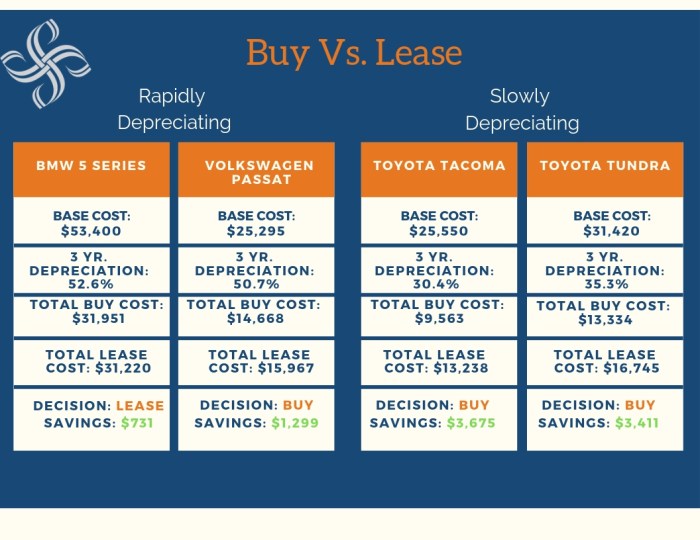
Lease vs buy car The Ultimate Decision Showdown

Lease breakdown

Lease vs buy car, it’s the age-old question that drives many car enthusiasts into a frenzy—like cats in a room full of laser pointers! Whether you’re a budget-conscious buyer or a thrill-seeking leaser, the pros and cons are as diverse as car models at a dealership.

In this adventurous ride through the land of vehicles, we’ll explore the financial nitty-gritty of each option, including how they impact your wallet, driving experience, and even your future. Buckle up as we navigate the curves of ownership versus leasing!

Lease vs Buy Car

Lease vs buy car

When it comes to getting behind the wheel of a new car, the age-old dilemma of leasing versus buying raises its head like a cat that just knocked over a vase. Each option has its own perks and quirks, and deciding which route to take can be as confusing as a GPS that’s lost its signal. Let’s dive into the nitty-gritty of leasing and buying a car, comparing their benefits, financial implications, and long-term costs to help you make a decision that doesn’t end in buyer’s remorse.

Comparing Benefits of Leasing and Buying

Understanding the benefits of leasing versus buying a car is crucial for making an informed decision. While buying a car means you own it outright, leasing often feels like a long-term rental agreement with a shiny new car every few years. Here’s how they stack up:

  • Ownership: Buying means you get the satisfaction of owning the car, free and clear. When you pay off that final payment, you can finally stop treating your car like it’s a roommate you have to pay rent to.
  • Depreciation: When you buy, the minute you drive off the lot, your car’s value drops faster than a lead balloon. Leasing allows you to dodge that bullet since you’re only responsible for the car’s value during the lease term.
  • Monthly Payments: Leasing typically requires lower monthly payments than buying, which means you can afford that fancy infotainment system that makes all your friends jealous.
  • Maintenance: Lease agreements often come with warranties that cover most repair costs, leaving you feeling as carefree as a dog in a park.

Financial Implications of Leasing and Buying

The financial implications of leasing versus buying a car can significantly impact your wallet and long-term financial goals. Imagine leasing as a subscription service for your automobile, while buying is akin to investing in a lifelong relationship with your car. Here’s a closer look at the numbers involved:

  • Upfront Costs: When purchasing, expect to shell out a down payment that can be a hefty chunk of change. Leasing typically requires less money down, making it easier on your bank account.
  • Interest Rates: Interest rates on loans can vary, but leasing often features lower rates, which can keep your payments down and your spirits high.
  • Tax Benefits: Depending on your state, you may find tax advantages when leasing a car, particularly for business use. It’s like finding extra fries at the bottom of the bag – a delightful surprise!

Long-Term Costs of Leasing vs. Ownership

Long-term costs associated with leasing versus owning a vehicle can resemble a game of Monopoly – not all properties yield the same returns. Understanding these costs can help you decide which route suits your financial strategy best.

  • Total Cost of Ownership: Once you buy a car, your primary ongoing costs will be fuel, insurance, maintenance, and the occasional “oops, I backed into a pole” expense. A well-maintained vehicle can last you over a decade.
  • Leasing Costs Over Time: If you lease multiple vehicles over several years, you might end up spending more than if you bought a single car that lasts. It’s like paying for a whole season of a show instead of just binge-watching that one good series.
  • Flexibility: Leasing lets you easily switch vehicles every few years, keeping you in the latest models. However, this flexibility may come at a premium if you decide to lease one too many times.

“Whether you decide to lease or buy, always keep your financial goals in mind; after all, it’s your money doing the driving.”

Financial Considerations

Buying a car can feel like a monumental decision, akin to choosing whether to invest in a time machine or a teleportation device. The financial implications of leasing versus buying can lead to many a sleepless night, so let’s break it down with clarity and perhaps a sprinkle of humor. Navigating through financing options is like walking through a minefield—one wrong step, and you’re stuck with a payment plan that feels more like a ball and chain than a freedom ride.

Financing Options for Leasing vs. Purchasing

When it comes to financing, leasing and buying a car are like two siblings who took entirely different paths in life. Leasing is akin to a short-term relationship; you enjoy the benefits without the long-term commitment. Buying, on the other hand, is like settling down—lots of responsibility but ultimately rewarding. Leasing typically requires lower down payments and lower monthly payments than buying, making it a tempting option for those who like to keep their cash flow smooth.

The trade-off? You don’t own the car at the end of the lease term. In contrast, purchasing a car involves a hefty down payment and higher monthly payments, which can strain your budget. However, once the loan is paid off, congratulations! You own a hunk of metal that can take you anywhere—except maybe to the future.

“Leasing gives you the joy of driving a new car every few years, but purchasing means waving goodbye to monthly payments and saying hello to freedom!”

Budgeting Tips for Deciding Between Leasing and Buying

Budgeting is essential, especially when it comes to choosing between leasing and buying. Think of it as planning a road trip: you need to know your destination, fuel costs, and where to stop for snacks. Here are some tips to keep your financial engine running smoothly:Understanding your budget before diving into car decisions is crucial. Consider:

  • Total Cost of Ownership: When buying, consider insurance, maintenance, and depreciation costs. Leasing often includes a warranty that covers repair costs, which can save you a pretty penny.
  • Monthly Payment Affordability: Aim for a monthly payment that won’t leave you eating instant noodles for the next four years. A good rule of thumb is to keep your car payment under 15% of your monthly income.
  • Long-Term Plans: If you plan to keep a car for a long time, buying might be more cost-effective. If you enjoy the latest models and don’t like maintenance headaches, leasing could be your jam.

Role of Auto Loans in the Decision-Making Process

Auto loans can feel like the magic spell that transforms your car dreams into reality. Understanding how they work can help you decide whether to lease or buy. An auto loan typically comes with an interest rate that can vary based on your credit score—higher scores lead to lower rates, which is like finding a golden ticket in your chocolate bar.When buying, an auto loan allows you to spread out the payment over several years, making that shiny new ride feel a bit more accessible.

The downside? You’ll be chained to those monthly payments for the duration of the loan. On the flip side, if leasing entices you, remember that you won’t need a loan in the typical sense. Instead, you’ll be signing a lease agreement, which may not require as stringent credit checks. You can budget for the lease payments like a monthly subscription, but don’t forget—you’ll never own that car, which can feel a bit like renting a pet you can’t keep.

“Auto loans are like a relationship; choose wisely, and it can be rewarding, but pick the wrong one, and you’ll be stuck in a never-ending cycle of payments.”

Bankruptcy and Its Impact

When the financial waters get turbulent and bankruptcy looms, the question of how to navigate the choppy seas of vehicle financing arises. Whether you’re considering leasing or buying a car, the impact of bankruptcy can be as tumultuous as a rollercoaster ride with a coffee-fueled monkey at the wheel. Understanding how these choices intertwine with bankruptcy can save you from a world of hurt—or at least a world of awkward conversations at family gatherings.Leasing or buying a car during bankruptcy can be a slippery slope.

For those in the throes of financial distress, a vehicle isn’t just a mode of transport; it’s a potential lifeline or a financial anchor weighing you down. Leasing might seem like a less burdensome option due to lower monthly payments, but it also ties you to ongoing obligations that could complicate your already messy financial situation. Conversely, buying a car outright might provide a sense of ownership and security, but it may also swallow a chunk of your limited resources, like a hungry hippo at a buffet.

Legal Consultations in Vehicle Financing

Before making any decisions, consulting with a bankruptcy lawyer is like bringing a life jacket on that rollercoaster ride—absolutely essential. A legal expert can provide insights into how leasing or buying could affect your bankruptcy case, including the potential to keep or lose the vehicle in the process. Here are a few key considerations for working with a lawyer when it comes to car financing during bankruptcy:

  • Understanding Exemptions: A bankruptcy lawyer can help determine which assets you can keep, including vehicles. Some states allow you to keep your car, but the value and financing method can influence that decision.
  • Negotiating with Creditors: If you already own a car, your attorney can negotiate with creditors to keep it while managing your bankruptcy case more smoothly.
  • Assessing Lease Contracts: Lease agreements might include clauses that can be problematic during bankruptcy. A lawyer can help decipher these contracts and advise on the best course of action.

Tips for Individuals in Bankruptcy Regarding Vehicle Options

Navigating the car market while juggling bankruptcy is no easy feat, so here are some pearls of wisdom to help you avoid financial fumbles:

  • Evaluate Necessity: Before diving into the car-buying or leasing pool, assess whether you truly need a new vehicle. Public transport or carpooling could be a less costly alternative while you sort out your finances.
  • Explore Reliable Options: Look for affordable, reliable used cars instead of new ones. They might not have that new car smell, but they’re less likely to come with a side of buyer’s remorse.
  • Stay Within Budget: Always stick to a manageable monthly payment, ensuring it won’t stretch your budget further than a pair of yoga pants post-holiday feast. Your future self will thank you.
  • Consider Co-signers: If your credit is in the dumpster, having a trusted co-signer can boost your chances of obtaining financing. Just ensure they’re okay with the idea of sharing the responsibility—and potential awkward Thanksgiving conversations!
  • Shop Around for Financing: Don’t settle for the first financing option that throws you a bone. Shop around for lenders, as some may offer better deals that are more forgiving during tough financial times.

Closure

Lease breakdown

In conclusion, whether you decide to lease or buy a car, remember that each path has its unique bumps and smooth stretches. By understanding the financial implications and considering your personal situation, you can steer towards the best choice for you. Now go forth and conquer the roads with confidence, knowing you’ve made an informed decision!

Q&A

What are the main benefits of leasing a car?

Leasing typically offers lower monthly payments, access to newer models, and fewer maintenance worries.

How does buying a car affect my credit score?

Buying a car can help build your credit score if you make timely payments, but it may initially lower it due to the hard inquiry.

Can I negotiate the price of a leased car?

Yes, just like buying, you can negotiate the terms of a lease, including the price of the car and the interest rate.

What happens at the end of a car lease?

You can return the car, buy it for a predetermined price, or lease a new vehicle.

Can I lease a car if I have bankruptcy on my record?

It may be more challenging, but it’s not impossible. Consult with a financial advisor to explore your options.