Lease vs buy car, it’s the age-old question that drives many car enthusiasts into a frenzy—like cats in a room full of laser pointers! Whether you’re a budget-conscious buyer or a thrill-seeking leaser, the pros and cons are as diverse as car models at a dealership.
In this adventurous ride through the land of vehicles, we’ll explore the financial nitty-gritty of each option, including how they impact your wallet, driving experience, and even your future. Buckle up as we navigate the curves of ownership versus leasing!
Lease vs Buy Car
When it comes to getting behind the wheel of a new car, the age-old dilemma of leasing versus buying raises its head like a cat that just knocked over a vase. Each option has its own perks and quirks, and deciding which route to take can be as confusing as a GPS that’s lost its signal. Let’s dive into the nitty-gritty of leasing and buying a car, comparing their benefits, financial implications, and long-term costs to help you make a decision that doesn’t end in buyer’s remorse.
Comparing Benefits of Leasing and Buying
Understanding the benefits of leasing versus buying a car is crucial for making an informed decision. While buying a car means you own it outright, leasing often feels like a long-term rental agreement with a shiny new car every few years. Here’s how they stack up:
- Ownership: Buying means you get the satisfaction of owning the car, free and clear. When you pay off that final payment, you can finally stop treating your car like it’s a roommate you have to pay rent to.
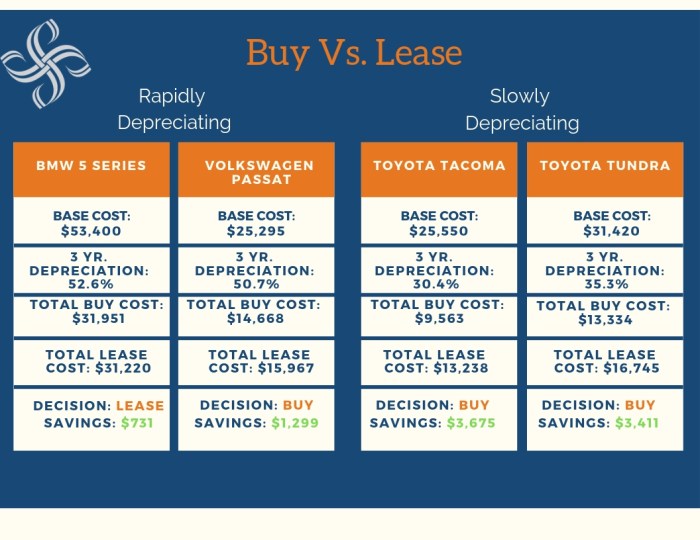
- Depreciation: When you buy, the minute you drive off the lot, your car’s value drops faster than a lead balloon. Leasing allows you to dodge that bullet since you’re only responsible for the car’s value during the lease term.
- Monthly Payments: Leasing typically requires lower monthly payments than buying, which means you can afford that fancy infotainment system that makes all your friends jealous.
- Maintenance: Lease agreements often come with warranties that cover most repair costs, leaving you feeling as carefree as a dog in a park.
Financial Implications of Leasing and Buying
The financial implications of leasing versus buying a car can significantly impact your wallet and long-term financial goals. Imagine leasing as a subscription service for your automobile, while buying is akin to investing in a lifelong relationship with your car. Here’s a closer look at the numbers involved:
- Upfront Costs: When purchasing, expect to shell out a down payment that can be a hefty chunk of change. Leasing typically requires less money down, making it easier on your bank account.
- Interest Rates: Interest rates on loans can vary, but leasing often features lower rates, which can keep your payments down and your spirits high.
- Tax Benefits: Depending on your state, you may find tax advantages when leasing a car, particularly for business use. It’s like finding extra fries at the bottom of the bag – a delightful surprise!
Long-Term Costs of Leasing vs. Ownership
Long-term costs associated with leasing versus owning a vehicle can resemble a game of Monopoly – not all properties yield the same returns. Understanding these costs can help you decide which route suits your financial strategy best.
- Total Cost of Ownership: Once you buy a car, your primary ongoing costs will be fuel, insurance, maintenance, and the occasional “oops, I backed into a pole” expense. A well-maintained vehicle can last you over a decade.
- Leasing Costs Over Time: If you lease multiple vehicles over several years, you might end up spending more than if you bought a single car that lasts. It’s like paying for a whole season of a show instead of just binge-watching that one good series.
- Flexibility: Leasing lets you easily switch vehicles every few years, keeping you in the latest models. However, this flexibility may come at a premium if you decide to lease one too many times.
“Whether you decide to lease or buy, always keep your financial goals in mind; after all, it’s your money doing the driving.”
Financial Considerations
Buying a car can feel like a monumental decision, akin to choosing whether to invest in a time machine or a teleportation device. The financial implications of leasing versus buying can lead to many a sleepless night, so let’s break it down with clarity and perhaps a sprinkle of humor. Navigating through financing options is like walking through a minefield—one wrong step, and you’re stuck with a payment plan that feels more like a ball and chain than a freedom ride.
Financing Options for Leasing vs. Purchasing
When it comes to financing, leasing and buying a car are like two siblings who took entirely different paths in life. Leasing is akin to a short-term relationship; you enjoy the benefits without the long-term commitment. Buying, on the other hand, is like settling down—lots of responsibility but ultimately rewarding. Leasing typically requires lower down payments and lower monthly payments than buying, making it a tempting option for those who like to keep their cash flow smooth.
The trade-off? You don’t own the car at the end of the lease term. In contrast, purchasing a car involves a hefty down payment and higher monthly payments, which can strain your budget. However, once the loan is paid off, congratulations! You own a hunk of metal that can take you anywhere—except maybe to the future.
“Leasing gives you the joy of driving a new car every few years, but purchasing means waving goodbye to monthly payments and saying hello to freedom!”
Budgeting Tips for Deciding Between Leasing and Buying
Budgeting is essential, especially when it comes to choosing between leasing and buying. Think of it as planning a road trip: you need to know your destination, fuel costs, and where to stop for snacks. Here are some tips to keep your financial engine running smoothly:Understanding your budget before diving into car decisions is crucial. Consider:
- Total Cost of Ownership: When buying, consider insurance, maintenance, and depreciation costs. Leasing often includes a warranty that covers repair costs, which can save you a pretty penny.
- Monthly Payment Affordability: Aim for a monthly payment that won’t leave you eating instant noodles for the next four years. A good rule of thumb is to keep your car payment under 15% of your monthly income.
- Long-Term Plans: If you plan to keep a car for a long time, buying might be more cost-effective. If you enjoy the latest models and don’t like maintenance headaches, leasing could be your jam.
Role of Auto Loans in the Decision-Making Process
Auto loans can feel like the magic spell that transforms your car dreams into reality. Understanding how they work can help you decide whether to lease or buy. An auto loan typically comes with an interest rate that can vary based on your credit score—higher scores lead to lower rates, which is like finding a golden ticket in your chocolate bar.When buying, an auto loan allows you to spread out the payment over several years, making that shiny new ride feel a bit more accessible.
The downside? You’ll be chained to those monthly payments for the duration of the loan. On the flip side, if leasing entices you, remember that you won’t need a loan in the typical sense. Instead, you’ll be signing a lease agreement, which may not require as stringent credit checks. You can budget for the lease payments like a monthly subscription, but don’t forget—you’ll never own that car, which can feel a bit like renting a pet you can’t keep.
“Auto loans are like a relationship; choose wisely, and it can be rewarding, but pick the wrong one, and you’ll be stuck in a never-ending cycle of payments.”
Bankruptcy and Its Impact
When the financial waters get turbulent and bankruptcy looms, the question of how to navigate the choppy seas of vehicle financing arises. Whether you’re considering leasing or buying a car, the impact of bankruptcy can be as tumultuous as a rollercoaster ride with a coffee-fueled monkey at the wheel. Understanding how these choices intertwine with bankruptcy can save you from a world of hurt—or at least a world of awkward conversations at family gatherings.Leasing or buying a car during bankruptcy can be a slippery slope.
For those in the throes of financial distress, a vehicle isn’t just a mode of transport; it’s a potential lifeline or a financial anchor weighing you down. Leasing might seem like a less burdensome option due to lower monthly payments, but it also ties you to ongoing obligations that could complicate your already messy financial situation. Conversely, buying a car outright might provide a sense of ownership and security, but it may also swallow a chunk of your limited resources, like a hungry hippo at a buffet.
Legal Consultations in Vehicle Financing
Before making any decisions, consulting with a bankruptcy lawyer is like bringing a life jacket on that rollercoaster ride—absolutely essential. A legal expert can provide insights into how leasing or buying could affect your bankruptcy case, including the potential to keep or lose the vehicle in the process. Here are a few key considerations for working with a lawyer when it comes to car financing during bankruptcy:
- Understanding Exemptions: A bankruptcy lawyer can help determine which assets you can keep, including vehicles. Some states allow you to keep your car, but the value and financing method can influence that decision.
- Negotiating with Creditors: If you already own a car, your attorney can negotiate with creditors to keep it while managing your bankruptcy case more smoothly.
- Assessing Lease Contracts: Lease agreements might include clauses that can be problematic during bankruptcy. A lawyer can help decipher these contracts and advise on the best course of action.
Tips for Individuals in Bankruptcy Regarding Vehicle Options
Navigating the car market while juggling bankruptcy is no easy feat, so here are some pearls of wisdom to help you avoid financial fumbles:
- Evaluate Necessity: Before diving into the car-buying or leasing pool, assess whether you truly need a new vehicle. Public transport or carpooling could be a less costly alternative while you sort out your finances.
- Explore Reliable Options: Look for affordable, reliable used cars instead of new ones. They might not have that new car smell, but they’re less likely to come with a side of buyer’s remorse.
- Stay Within Budget: Always stick to a manageable monthly payment, ensuring it won’t stretch your budget further than a pair of yoga pants post-holiday feast. Your future self will thank you.
- Consider Co-signers: If your credit is in the dumpster, having a trusted co-signer can boost your chances of obtaining financing. Just ensure they’re okay with the idea of sharing the responsibility—and potential awkward Thanksgiving conversations!
- Shop Around for Financing: Don’t settle for the first financing option that throws you a bone. Shop around for lenders, as some may offer better deals that are more forgiving during tough financial times.
Closure
In conclusion, whether you decide to lease or buy a car, remember that each path has its unique bumps and smooth stretches. By understanding the financial implications and considering your personal situation, you can steer towards the best choice for you. Now go forth and conquer the roads with confidence, knowing you’ve made an informed decision!
Q&A
What are the main benefits of leasing a car?
Leasing typically offers lower monthly payments, access to newer models, and fewer maintenance worries.
How does buying a car affect my credit score?
Buying a car can help build your credit score if you make timely payments, but it may initially lower it due to the hard inquiry.
Can I negotiate the price of a leased car?
Yes, just like buying, you can negotiate the terms of a lease, including the price of the car and the interest rate.
What happens at the end of a car lease?
You can return the car, buy it for a predetermined price, or lease a new vehicle.
Can I lease a car if I have bankruptcy on my record?
It may be more challenging, but it’s not impossible. Consult with a financial advisor to explore your options.