Personal bankruptcy laws your guide to financial freedom

Bankruptcy personal dealing when do what

Welcome to the wild world of Personal bankruptcy laws, where financial woe meets the legal limbo! If you’ve ever found yourself wondering how to rise like a phoenix from the ashes of debt, you’re in the right place. Think of bankruptcy as your financial reset button, and no, you won’t need a hammer to press it!

These laws are designed to help individuals escape the clutches of overwhelming debt through various avenues, including Chapter 7 and Chapter 13 filings. Each option has its own process and implications, but don’t worry! We’ll unravel these complexities like a bad yarn of tangled Christmas lights. Plus, we’ll tackle how this journey affects your credit score and your future financial escapades.

Understanding Personal Bankruptcy Laws

Imagine a world where financial stress disappears faster than your favorite dessert at a party. This is the promise of personal bankruptcy laws, designed to give individuals a fresh start when debts pile up higher than a stack of unpaid bills. While these laws can be a safety net, they also come with their own set of rules that require understanding.

Let’s dig into the nitty-gritty of personal bankruptcy laws, so you can navigate this financial labyrinth with a sense of humor and a bit of wisdom.The key components of personal bankruptcy laws revolve around providing relief to individuals overwhelmed by debt while ensuring fair treatment for creditors. These laws allow individuals to either eliminate their debts entirely or manage them under a structured repayment plan.

At the heart of this framework are the specific types of bankruptcy filings, notably Chapter 7 and Chapter 13, each with its own process and implications.

Types of Personal Bankruptcy Filings

Understanding the types of personal bankruptcy filings is crucial, as each offers different pathways to financial recovery. Here’s a breakdown of the two most common types:

1. Chapter 7 Bankruptcy

Often referred to as “liquidation bankruptcy,” it allows individuals to discharge most unsecured debts, such as credit card bills and medical expenses.

Individuals must pass a means test to qualify, ensuring that the process targets those truly in need.

Assets may be sold (liquidated) to pay off creditors, but many people keep essential possessions, thanks to certain exemptions.

2. Chapter 13 Bankruptcy

Known as “reorganization bankruptcy,” this option is for individuals with a regular income who wish to keep their property while repaying debts over a three to five-year period.

Debtors propose a repayment plan to make installments to creditors, which can sometimes reduce the total debt owed.

This option is particularly attractive for individuals facing foreclosure, allowing them to catch up on missed mortgage payments.

Both options come with specific eligibility requirements and implications for the debtor’s future.

“Bankruptcy is a legal status of a person who cannot repay the debts owed to creditors.”

Effects of Personal Bankruptcy on Credit Scores

The aftermath of filing for bankruptcy isn’t all rainbows and butterflies; it often leaves a mark on your credit score that resembles a stubborn stain on a favorite shirt. Here’s how personal bankruptcy affects credit scores and what it means for future financial opportunities:

Immediate Impact

Bankruptcy usually results in a significant drop in credit scores, often by 200 points or more, depending on the individual’s financial history.

Long-Term Effects

The bankruptcy will remain on a credit report for up to 10 years for Chapter 7 and 7 years for Chapter 13, influencing borrowing capabilities during that time.

Future Opportunities

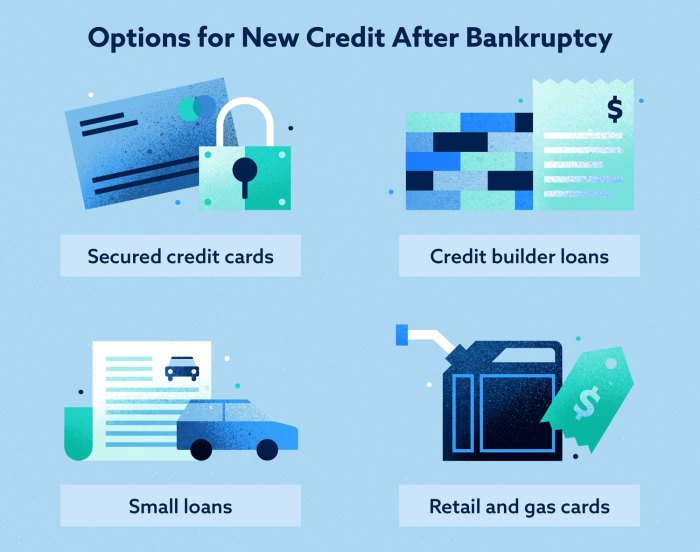
While a bankruptcy filing can seem like the end of the world, it can also provide a clean slate, making it possible to rebuild credit over time through responsible financial habits. This may include secured credit cards or small loans, which can help improve creditworthiness.In conclusion, while navigating the maze of personal bankruptcy laws may seem daunting, understanding the types of filings and their implications can empower you to make informed decisions.

Remember, with a sprinkle of humor and a dash of knowledge, financial recovery can be just around the corner!

The Role of Bankruptcy Lawyers

Bankruptcy personal dealing when do what

Navigating the tumultuous waters of personal bankruptcy can feel like trying to swim with a heavy anchor tied around your ankle. That’s where bankruptcy lawyers come in, your trusty life vests in this financial ocean of despair. These legal eagles specialize in helping individuals and businesses alike manage their debts, ensuring that you don’t drown in the sea of paperwork and legal jargon.

With them by your side, the path to financial recovery can become a bit clearer and a whole lot less stressful.Bankruptcy lawyers carry a hefty responsibility—acting as your guide through the legal labyrinth of bankruptcy laws and procedures. They are well-versed in the complexities of the law and can help you understand your options, whether it’s filing for Chapter 7, Chapter 11, or Chapter 13 bankruptcy.

Their functions can be summarized into a few key areas:

Responsibilities of Bankruptcy Lawyers

The duties of bankruptcy lawyers encompass a wide array of tasks that are crucial for a smooth bankruptcy process. Here’s what they typically handle:

  • Initial Consultation: They assess your financial situation, discuss your options, and determine the best course of action tailored to your needs.
  • Paperwork Preparation: Bankruptcy involves a mountain of paperwork. Lawyers ensure that all forms are completed accurately and filed correctly, avoiding potential pitfalls.
  • Representation in Court: If your case goes to court, your lawyer will represent you, presenting your situation and advocating on your behalf.
  • Negotiation with Creditors: They can negotiate with creditors to establish more favorable payment terms or settlements, potentially saving you a boatload of stress and money.
  • Post-Bankruptcy Guidance: Even after filing, bankruptcy lawyers provide advice on rebuilding your credit and managing finances moving forward.

Tips for Selecting a Qualified Bankruptcy Lawyer

Finding the right bankruptcy lawyer is akin to finding a needle in a haystack—if that needle could help you avoid financial disaster. Here are some tips to help you sift through the options:

  • Experience is Key: Look for lawyers who specialize in bankruptcy and have a proven track record. Experience can make a significant difference in the outcome of your case.
  • Consultation Matters: Take advantage of initial consultations. This is your opportunity to gauge their expertise and see if you feel comfortable with them.
  • Client Reviews: Check reviews or testimonials. A good reputation can be a strong indicator of a lawyer’s capabilities.
  • Fees Transparency: Ensure they explain their fee structure upfront. You don’t want to be shocked by hidden costs later on.
  • Personal Connection: Choose someone you can communicate with effectively. You need a lawyer who listens and understands your concerns.

Potential Costs of Hiring a Bankruptcy Lawyer

When it comes to hiring a bankruptcy lawyer, understanding the potential costs involved is crucial for budgeting. The range of fees can vary widely based on location, the complexity of your case, and the lawyer’s experience. Here’s a breakdown of what you might expect:

  • Flat Fees: Many bankruptcy lawyers charge a flat fee for services, typically ranging from $1,000 to $3,500, depending on the type of bankruptcy.
  • Hourly Rates: Some charge by the hour, which can be more expensive in the long run if your case is complicated. Hourly rates can range from $150 to $500 or more.
  • Retainer Fees: Certain lawyers may require a retainer, which is an upfront cost that goes towards your legal fees as the case progresses.
  • Payment Plans: Many bankruptcy lawyers offer flexible payment plans to make their services more accessible, so don’t hesitate to ask about this option.
  • Managing Costs: To effectively manage costs, it’s wise to gather all necessary documents beforehand, allowing for more efficient use of your lawyer’s time.

Hiring the right bankruptcy lawyer is not just about saving money; it’s about finding a partner in your journey toward financial freedom.

Tips for Navigating Bankruptcy and Financial Recovery

Navigating the turbulent waters of bankruptcy can feel like trying to steer a ship with a hole in it. However, with a few practical tips and a touch of humor, we can patch that ship and sail towards financial recovery. It’s time to buckle up and take charge of your finances while rebuilding your credit with the finesse of a magician pulling a rabbit out of a hat—no disappearing acts, please!

Budgeting and Managing Finances Post-Bankruptcy

The road to financial recovery is paved with smart budgeting. After bankruptcy, it’s crucial to create a budget that doesn’t just survive but thrives! Here’s how to get started on the right foot, or the left—whichever one dances better.

  • Track Every Penny: Use apps or a simple spreadsheet to monitor your expenses. Remember, every cent counts—even that sneaky dollar you spend on coffee!
  • Prioritize Needs Over Wants: Needs are essentials like food and housing; wants are those shiny new shoes that make you go “ooh.” Focus on the essentials first!
  • Set Savings Goals: Even if it’s a small amount, saving regularly helps rebuild your financial cushion. Think of it as your personal treasure chest—no pirates allowed!

“Budgeting is telling your money where to go instead of wondering where it went.”

Common Pitfalls to Avoid During the Bankruptcy Process

Bankruptcy may offer a fresh start, but it can come with its own set of traps that are as enticing as a siren’s call. Avoid these common pitfalls to ensure your financial recovery is smooth sailing.

  • Ignoring Asset Protection: Be aware of what assets are exempt. Selling everything in a panic is not the way to go. Your grandma’s heirloom? That’s a no-touch zone!
  • Accumulating New Debt: Resist the urge to swipe that credit card like it’s a magic wand. Yes, the temptation is real, but stay strong!
  • Failing to Communicate with Creditors: Keeping the lines of communication open can lead to better payment terms or even reduced debts. Remember, silence may not always be golden—sometimes it’s just awkward!

Step-by-Step Plan for Considering Bankruptcy

Considering bankruptcy isn’t just a whimsical decision; it’s a well-thought-out process that requires preparation and documentation. Here’s a foolproof plan to follow, like a recipe for a delicious pie—just without the calories!

  1. Gather Financial Documents: Collect pay stubs, tax returns, and bank statements. Think of it as putting together a puzzle where every piece matters!
  2. Assess Your Debts and Assets: Create a comprehensive list. Know what you owe and what you own—like a financial detective on a mission!
  3. Consult with a Bankruptcy Lawyer: Seek expert advice tailored to your situation. A good lawyer will help you navigate the process like a GPS on a road trip.
  4. Complete Required Credit Counseling: This step is mandatory. It’s a bit like going to a seminar about how to eat your veggies—necessary but not always exciting!
  5. File the Bankruptcy Petition: Submit your petition and all required documents to the court. This is your official request for a financial reboot!

Final Conclusion
Bankruptcy

So there you have it, folks! Personal bankruptcy laws may seem like a daunting mountain to climb, but with the right knowledge and a trusty bankruptcy lawyer by your side, you can navigate the rocky terrain of financial recovery. Remember, it’s not the end of the road, just a detour to a brighter and more financially savvy future. Now go forth and conquer your debt like a true financial warrior!

FAQ Corner

What is personal bankruptcy?

Personal bankruptcy is a legal process that helps individuals eliminate or repay their debts under the protection of the bankruptcy court.

Will bankruptcy affect my credit score?

Yes, filing for bankruptcy can significantly impact your credit score, typically lowering it for several years, but it can also set you on a path to rebuilding your credit over time.

How long does the bankruptcy process take?

The duration varies depending on the type of bankruptcy filed; Chapter 7 typically takes about 3 to 6 months, while Chapter 13 can last 3 to 5 years.

Can I keep my house if I file for bankruptcy?

It depends on the bankruptcy type and your equity in the home; some people can keep their homes, while others may have to sell to pay off debts.

Do I need a lawyer to file for bankruptcy?

While it’s not legally required, hiring a qualified bankruptcy lawyer can make the process smoother and help you avoid costly mistakes.

Chapter 13 personal bankruptcy a humorous guide to relief

Bankruptcy

Chapter 13 personal bankruptcy, the financial twist in your tale, invites you to dive into a world where debts dissolve like sugar in hot tea. Imagine a lifeboat in a stormy sea of debt, where you can finally catch your breath and chart a course for calmer financial waters. This intriguing process is not just about erasing your financial woes; it’s about understanding a unique repayment plan designed to help you keep your assets while dancing your way to financial freedom.

With a sprinkle of humor, we’ll unravel the ins and outs of Chapter 13, revealing how it differs from its cousin, Chapter 7, and the advantages and pitfalls of embarking on this financial journey. So grab your favorite snack, settle in, and let’s navigate this quirky labyrinth of bankruptcy together!

Understanding Chapter 13 Personal Bankruptcy

Bankruptcy

Navigating the choppy waters of personal finance can sometimes feel like trying to swim with a backpack full of bricks. Enter Chapter 13 bankruptcy, the lifeboat that might just save you from drowning in your debts. This chapter provides a structured way to repay your debts over time while protecting your assets. So, grab your life vest, and let’s dive into the nitty-gritty of Chapter 13!Understanding the process of filing for Chapter 13 bankruptcy starts with the realization that it’s a bit like a financial reorganization party, where only certain guests (creditors) are invited, and you’re in charge of the playlist (payment plan).

To file, you’ll need to submit a petition to the bankruptcy court, along with a proposed payment plan that spans three to five years. This plan must be feasible, meaning it should be something you can afford based on your current income and expenses. The court will review your plan, and if it gets a thumbs up, you can start making those payments while the court protects you from creditors.

Process and Requirements for Filing Chapter 13 Bankruptcy

Filing for Chapter 13 bankruptcy requires meeting specific criteria and following a defined process. Here’s what you need to know:

1. Eligibility Requirements

You must have a regular income to fund your repayment plan.

Your unsecured debts (like credit cards) must be less than $419,275, and secured debts (like mortgages) must be less than $1,257,850. (These numbers adjust periodically, so always check for the latest figures.)

2. Filing the Petition

Complete the bankruptcy forms, which will include details about your assets, liabilities, income, expenses, and a proposed repayment plan.

Pay the filing fee or request a waiver based on your financial situation.

3. Credit Counseling

Before you can file, you must undergo credit counseling from an approved agency. This is not just a formality; it’s meant to ensure you’ve considered all options before jumping into bankruptcy.

4. Meeting of Creditors

Attend a meeting where creditors can ask you questions about your financial situation. Don’t worry; it’s more of a formality than an interrogation, but you might want to skip the dramatic monologue about your financial woes.

5. Confirmation Hearing

The court will hold a hearing to confirm your repayment plan. If everything checks out, you’re on your way to financial recovery!

Differences Between Chapter 13 and Chapter 7 Bankruptcy

When it comes to bankruptcy, not all chapters are created equal. Here’s a straightforward comparison of Chapter 13 and Chapter 7 to help you understand which boat you might want to row.

Repayment vs. Liquidation

Chapter 13 involves repaying debts over time, while Chapter 7 typically means liquidating assets to pay off creditors.

Asset Protection

In Chapter 13, you can keep your assets as long as you follow the repayment plan. In Chapter 7, you may lose non-exempt assets to pay creditors. –

Duration

Chapter 13 plans last three to five years, while Chapter 7 proceedings are usually resolved within a few months.

Income Requirement

Chapter 13 requires a regular income to make those monthly payments, whereas Chapter 7 has no similar requirement.

Goodbye vs. Hello to Creditors

Chapter 13 gives you a chance to say “hello” to creditors over a few years while you pay them off, while Chapter 7 often gives them a swift “goodbye” post-liquidation.

Advantages and Disadvantages of Chapter 13 Bankruptcy

Chapter 13 bankruptcy comes with its own set of perks and pitfalls. Here’s a breakdown to help you weigh your options: Advantages:

Asset Protection

You can keep your home and other assets if you adhere to the repayment plan.

Lower Monthly Payments

Your payment plan can be structured to fit your budget, potentially lowering your monthly outflow.

Staying in Control

You have control over your repayment plan, choosing how to allocate your funds over the repayment period. Disadvantages:

Long Commitment

You’re in it for the long haul, with repayment plans stretching three to five years, which can feel like an eternity in debt.

Impact on Credit Score

Filing for Chapter 13 will still impact your credit score, although it’s generally less severe than Chapter 7.

Inflexibility

If your financial situation changes (like losing a job), you may struggle to keep up with payments, putting your plan at risk.

“Navigating Chapter 13 bankruptcy is like being on a roller coaster: thrilling, a little scary, but ultimately worth the ride if you stick to the plan!”

Impact of Chapter 13 Bankruptcy on Finances

Chapter 13 bankruptcy is often perceived as a daunting financial monster, lurking under the bed of your financial life, ready to pounce! However, when managed properly, it can actually serve as a transformative tool that not only helps you regain control of your finances but can also set you on a path to a healthier financial future. Understanding its impact on credit scores, budgeting, and debt management is essential for anyone navigating these waters.Credit scores take a hit when entering Chapter 13, similar to a piñata at a kid’s party—everyone gets a swing at it! While the initial impact may seem severe, it’s essential to realize that this form of bankruptcy offers a structured repayment plan, which is often viewed more favorably by creditors in the long run.

Chapter 13 typically remains on your credit report for seven years, but maintaining timely payments during the repayment plan can help mitigate the damage over time.

Impact on Credit Scores and Future Financing Options

When you file for Chapter 13 bankruptcy, it’s like throwing a wet blanket on your credit score—expect to see a drop! However, with a focus on rebuilding, you can rise from the ashes like a financial phoenix. Here’s how it affects your credit:

  • Initial Decrease: Credit scores can plummet by 100 points or more right after filing.
  • Duration of Impact: The bankruptcy remains on your credit report for seven years, but its effects diminish over time.
  • Future Credit Opportunities: While obtaining new credit might be challenging initially, demonstrating responsible financial behavior can lead to better opportunities.
  • Credit Rebuilding: Secured credit cards and small loans can be stepping stones to improve your score post-bankruptcy.

Embracing a proactive approach to managing your credit score during and after bankruptcy is like putting on a superhero cape—suddenly, you’re capable of tackling any financial villain that crosses your path!

Effective Budgeting During and After Bankruptcy

Budgeting during Chapter 13 is akin to walking a tightrope—you need to maintain your balance carefully! Here’s how to effectively manage your finances throughout this journey:

  • Track All Expenses: Use budgeting apps or a trusty spreadsheet to monitor every penny. Seeing where your money goes can help identify leaks!
  • Prioritize Needs vs. Wants: Focus on essential expenses first (food, housing, and transportation) before indulging in luxuries (like that fancy coffee you don’t need).
  • Set Up a Repayment Plan: Work with your bankruptcy trustee to create a feasible repayment plan that fits your budget.
  • Build an Emergency Fund: Even during bankruptcy, try to set aside a small amount each month for unexpected expenses. A rainy day fund is always a wise move!

By employing these budgeting strategies, you can navigate the twists and turns of Chapter 13 without falling into the financial abyss.

Strategies for Managing Debt During Bankruptcy Repayment Plan

While in a Chapter 13 repayment plan, managing debt is crucial like steering a ship through a stormy sea. Here are some effective strategies to ensure smooth sailing:

  • Communicate with Creditors: If issues arise, don’t ghost your creditors! Open lines of communication can lead to better solutions.
  • Stay Committed to Your Plan: Adhere to the repayment schedule, making payments on time to avoid complications.
  • Limit New Debt: Resist the temptation to take on new debt. Think of it as a diet—avoid those financial junk foods!
  • Seek Financial Counseling: Consider working with a certified credit counselor to develop additional strategies for managing finances.

By employing these strategies, you can navigate your repayment plan while keeping the debt monster at bay. With a focus on disciplined budgeting, strategic management, and a dash of humor, you’ll not only survive Chapter 13 bankruptcy but might just come out stronger on the other side!

Seeking Professional Help in Bankruptcy

Discharge bankruptcy debt

When life’s financial train starts derailing, seeking the right professional help can be your ticket back on track. Navigating the choppy waters of Chapter 13 bankruptcy may feel like trying to swim with a concrete anchor, but with the right bankruptcy attorney, you can float back to dry land. Let’s dive into how to find legal support that won’t leave you stranded and the importance of financial counseling in your post-bankruptcy journey.

Choosing the Right Bankruptcy Lawyer for Chapter 13 Cases

Selecting a bankruptcy lawyer is like picking a partner for a three-legged race; you need someone who can keep pace with you and help you cross that finish line. Here are some tips that will help you find your perfect legal match:

  • Experience Matters: Look for attorneys who specialize in bankruptcy law, especially Chapter 13 cases. An experienced lawyer knows the ins and outs like a seasoned chef knows their kitchen.
  • Check Reviews: Just like you wouldn’t book a restaurant without checking reviews, don’t hire a lawyer without seeing what others have to say. Online testimonials can give you insights into their reliability and effectiveness.
  • Consultation Availability: Look for lawyers who offer free consultations. This is your chance to see if they are the right fit—think of it as speed dating for legal advice.
  • Transparent Fees: Make sure they Artikel their fees clearly. No one likes surprise charges, similar to finding out your favorite snack has been discontinued.

“When it comes to bankruptcy, a good lawyer is like a trusty umbrella in a rainstorm—essential for weathering the storm.”

The Importance of Financial Counseling Before and After Filing

Financial counseling is not just a box to tick off before you file; it’s your financial GPS guiding you through the winding roads of bankruptcy and beyond. Engaging in counseling before and after filing can help you gain crucial insights and strategies for managing your finances effectively.

  • Pre-filing Counseling: Prior to filing, you’ll typically need to complete a credit counseling session. This session helps evaluate your financial situation and explore alternatives to bankruptcy.
  • Post-filing Education: After filing, you’ll be required to take a debtor education course. This course is essential for learning how to budget and avoid pitfalls in the future, ensuring you don’t end up back in the same financial pickle.

“Financial counseling is not just about surviving bankruptcy; it’s about thriving after it.”

Checklist of Necessary Documents for Successful Bankruptcy Filing

To ensure your bankruptcy filing goes as smoothly as a buttered slide, gather the necessary documents ahead of time. Here’s a handy checklist to make the process easier:

  • Identification: Current photo ID and Social Security card—think of it as your financial superhero identity.
  • Income Documentation: Pay stubs, tax returns, and any other income sources. This is your financial resume; make sure it’s up to date.
  • List of Debts: A comprehensive list of all your creditors, amounts owed, and account numbers. This is your financial ‘who’s who’.
  • Monthly Expenses: Monthly bills and living expenses to illustrate your financial landscape. Think of this as the map to your financial treasure chest—or the X marking the spot of your financial crisis.
  • Property Information: Documents related to real estate or personal property, including titles and deeds. You wouldn’t want to forget the treasures you own!

Conclusive Thoughts

As we wrap up our fabulous adventure through Chapter 13 personal bankruptcy, you’ve hopefully gathered some helpful nuggets of wisdom along the way. Whether you’re contemplating filing or merely curious about the process, remember that Chapter 13 can be your financial fairytale as you learn to juggle budgets, tackle debts, and maybe even save your prized possessions. So, don’t fret; embrace this new chapter in your financial story—happily ever after might be just a plan away!

FAQ Overview

What is the duration of a Chapter 13 plan?

A Chapter 13 repayment plan typically lasts three to five years, depending on your income and debts.

Will filing for Chapter 13 stop foreclosure?

Yes! Filing for Chapter 13 automatically halts foreclosure proceedings, giving you a chance to catch up on missed payments.

Can I keep my credit cards while in Chapter 13?

While you can keep some credit cards during Chapter 13, it’s wise to avoid accumulating new debt until you’ve completed your repayment plan.

How does Chapter 13 affect my credit score?

Filing for Chapter 13 will initially lower your credit score, but with responsible financial habits, you can rebuild it over time.

Can I change my repayment plan after it’s filed?

Yes, you can modify your repayment plan if your financial situation changes, but you’ll need court approval.

Healthcare bankruptcy A Financial Circus Gone Wild

Welcome to the wild world of healthcare bankruptcy, a place where financial acrobatics and unfortunate falls from grace collide! Picture this: medical bills piling up like confetti at a party, and providers who’ve hit a financial wall harder than a piñata at a kids’ birthday bash. In a landscape where patients and providers dance the tango of debt, understanding the whys and hows of healthcare bankruptcy is essential for survival — and maybe even thriving amidst the chaos.

As we tumble through this informative escapade, we’ll uncover the twisted paths that lead to bankruptcy, the impact on wallets and well-being, and the legal rollercoaster that accompanies such a financial crisis. Buckle up; it’s going to be an enlightening ride!

Understanding Healthcare Bankruptcy

Healthcare bankruptcy

Healthcare bankruptcy is a complicated beast that often sees itself lurking in the shadows of our hospitals and clinics, waiting to pounce on unsuspecting patients and providers alike. It usually starts with a few ominous warning signs, like skyrocketing medical bills or patients grappling with insurance policies more confusing than a Rubik’s Cube. In this landscape, understanding the whys and hows of healthcare bankruptcy is crucial for all parties involved, as it can have far-reaching implications.The causes leading to healthcare bankruptcy can be as varied as the patients themselves, but several common culprits emerge.

Medical expenses are rising faster than a hot air balloon on a windy day, often resulting in patients facing financial ruin. The high cost of treatments, coupled with inadequate insurance coverage, can leave patients scrambling for change under their couch cushions to pay for their next hospital visit. Additionally, medical providers may find themselves drowning in unpaid bills and reimbursement delays, leaving them with no choice but to file for bankruptcy.

Causes of Healthcare Bankruptcy

Several factors contribute to the rising tide of healthcare bankruptcy. Understanding these causes can help demystify this complex issue:

  • High Medical Costs: The average cost of healthcare services has surged, often making necessary treatments unaffordable for many.
  • Insurance Limitations: Even with insurance, high deductibles and out-of-pocket costs can lead to significant financial strain on patients.
  • Unforeseen Medical Emergencies: A sudden illness or accident can result in overwhelming medical bills that a family is not prepared for.
  • Reimbursement Delays: Providers often face delays in payment from insurance companies, leading to cash flow problems.
  • Patient Volume Declines: Economic downturns can shrink a provider’s patient base, affecting their revenue and ability to operate.

The implications of healthcare bankruptcy extend beyond just the paperwork. For patients, it can mean a loss of care continuity and the possibility of being treated by providers who are now cutting corners to stay afloat. What was once a place of healing may transform into a minefield of uncertainty for patients seeking care.

Implications for Patients and Providers

When healthcare providers file for bankruptcy, the ripple effects can be felt across the entire healthcare system. Below are some of the implications that arise from such financial distress:

  • Access to Care: Patients may find themselves facing limited access to healthcare services, as providers may reduce services or close altogether.
  • Increased Costs: Surviving providers may increase their fees to make up for lost revenue, putting additional strain on patients.
  • Disrupted Relationships: Patients may have to switch providers, losing the continuity of care they once had.
  • Potential for Substandard Care: Providers in financial distress may cut corners, potentially affecting the quality of care.
  • Patient Debt: The financial burden of care may transfer to patients, leading to overwhelming debt and potential bankruptcy for them as well.

Finally, navigating the legal processes involved in healthcare bankruptcy can feel like trying to solve a jigsaw puzzle while blindfolded. The intricacies of bankruptcy filings are enough to make even the most seasoned attorney’s head spin.

Legal Processes in Healthcare Bankruptcy Filings

The legal processes in healthcare bankruptcy involve several important steps that can be both intricate and daunting. Here’s a simplified overview of the critical stages involved:

  • Filing for Bankruptcy: The process begins with submitting a petition to the bankruptcy court, outlining debts, assets, and financial status.
  • Automatic Stay: Upon filing, an automatic stay goes into effect, preventing creditors from pursuing collections during the bankruptcy process.
  • Meeting of Creditors: A meeting is held where creditors can question the debtor about their financial situation, often resembling a courtroom drama.
  • Reorganization Plan: For Chapter 11 filings, a plan is proposed to restructure debts and continue operations while paying off creditors over time.
  • Discharge of Debts: Upon successful completion of the bankruptcy process, debts may be discharged, providing a fresh start for the healthcare provider.

Understanding these processes can ease some of the anxiety associated with healthcare bankruptcy, although it doesn’t make the situation any less daunting. After all, healthcare bankruptcy isn’t just a legal concern — it’s an all-around circus with real-life consequences, juggling the health of patients and the financial viability of providers in a high-stakes performance.

Financial Implications of Healthcare Bankruptcy

When healthcare entities go belly-up, it’s not just the hospital’s cafeteria that runs out of Jell-O; individuals also find themselves navigating a financial maze fraught with uncertainty and stress. The repercussions of healthcare bankruptcy can ripple through personal finances, leaving patients and families grappling with medical bills, debt, and the daunting task of budgeting their way back to financial health.

Let’s dive into the nitty-gritty of how these bankruptcies can impact your wallet and what strategic measures can be taken to keep the financial ship sailing smoothly.

Impact on Personal Finances

Healthcare bankruptcy can feel like stepping onto a rollercoaster that you didn’t even buy a ticket for, and the ride is filled with unexpected twists and turns. When a healthcare provider files for bankruptcy, individuals often face delayed or denied claims for medical services, skyrocketing out-of-pocket costs, and the nagging reality of mounting debt. The emotional toll can be as heavy as a ton of bricks, so it’s crucial to understand the financial landscape.

“Your credit score can plummet faster than a bad comedian’s punchline.”

Here are some potential impacts on personal finances to be aware of:

  • Increased Medical Bills: Patients may find themselves suddenly liable for costs that were supposed to be covered by their insurance, leading to unexpected out-of-pocket expenses.
  • Credit Score Damage: Unpaid bills and collections can hurt your credit score, making it harder to secure loans or mortgages in the future.
  • Debt Accumulation: Individuals forced to take on debt to cover medical expenses may find themselves in a vicious cycle of borrowing.

Budgeting Strategies for Managing Debt and Medical Expenses

When the going gets tough, the tough get budgeting! It’s time to put on your financial superhero cape and take control of your money management. Creating a budget is essential for navigating the stormy seas of debt and medical expenses. Here are some strategies that can help you stay afloat:

“A budget is telling your money where to go instead of wondering where it went.”

Consider the following budgeting strategies:

  • Track All Expenses: Keep a close watch on your spending to identify where you can cut down, whether it’s that daily latte or the subscription to a magazine you never read.
  • Prioritize Medical Debt: Tackle your medical bills first, especially if they are accruing interest or are subject to collection actions.
  • Create an Emergency Fund: Aim to set aside a small amount each month to cushion against future medical surprises.
  • Utilize Financial Tools: Consider using budgeting apps to have a clear overview of your finances and track your progress towards debt repayment.

Financing Options for Healthcare Institutions Facing Bankruptcy

When healthcare institutions find themselves in a financial pickle, they have a few options on their menu. Just like a buffet, some choices are better than others, and knowing which path to take can be crucial for survival and recovery. Various financing options exist to help institutions manage their debts and continue providing care without sacrificing quality.

“Sometimes you have to take a step back to take two steps forward.”

Here are some financing avenues available to healthcare institutions dealing with bankruptcy:

  • Bankruptcy Reorganization: This process allows institutions to negotiate with creditors and restructure debts while continuing operations, ultimately leading to a more sustainable future.
  • Government Assistance: Programs aimed at supporting struggling healthcare providers can provide much-needed financial relief and stability.
  • Private Investors: Attracting private investment can bring in capital to help a struggling institution pivot towards recovery.
  • Loans for Healthcare Providers: Specialized loans can offer immediate cash flow, ensuring that essential services remain operational while navigating bankruptcy.

Navigating Legal Aspects of Healthcare Bankruptcy

Bankruptcy debt

In the world of healthcare, financial stability can sometimes feel like a myth, akin to unicorns or that elusive gym membership we never use. When the inevitable financial storm hits, navigating the treacherous waters of healthcare bankruptcy with a trusty legal compass becomes essential. This section will unravel the roles of bankruptcy lawyers, offer guidance for individuals besieged by medical debt, and dissect the differences between commercial and personal loans in the realm of healthcare financing.

Key Roles of Bankruptcy Lawyers in Healthcare Bankruptcy Cases

Bankruptcy lawyers serve as the navigators through the often murky waters of healthcare bankruptcy, helping clients avoid shipwrecks. Their expertise can significantly impact the outcome of a bankruptcy case. Here are the key roles they play:

  • Legal Guidance:

    Bankruptcy lawyers provide tailored advice, ensuring clients understand their rights and obligations.

  • Document Preparation:

    They handle the nitty-gritty of paperwork, helping to prepare and file necessary documents to avoid any last-minute surprises.

  • Representation in Court:

    If disputes arise, bankruptcy lawyers represent their clients in court, ready to batten down the hatches against any legal adversaries.

  • Negotiation with Creditors:

    These professionals negotiate with creditors on behalf of their clients, often resulting in reduced payments or settlements that lighten the financial load.

Tips for Individuals Considering Personal Bankruptcy Due to Medical Debt

If medical debt has you feeling like a contestant on a reality show called “Survivor: Financial Edition,” here are some valuable tips to help you navigate the process of personal bankruptcy:

  • Assess Your Situation:

    Take a deep breath and evaluate your financial health. Know how much you owe and to whom. Knowledge is power, after all!

  • Consult a Bankruptcy Lawyer:

    Before making any decisions, consult with a qualified bankruptcy attorney who can provide insights tailored to your unique situation.

  • Explore Alternatives:

    Sometimes, alternatives like debt settlement or negotiation can be less painful than the bankruptcy route. Don’t shy away from exploring all your options.

  • Understand the Chapter Options:

    Familiarize yourself with the different bankruptcy chapters, such as Chapter 7 and Chapter 13, and how they affect your assets and debts.

Differences Between Commercial Loans and Personal Loans in Healthcare Financing

In the healthcare financing landscape, understanding the differences between commercial and personal loans can save you from throwing your finances into a blender. Each type of loan has its characteristics and implications for healthcare providers and individuals alike:

  • Purpose:

    Commercial loans are typically designed for businesses to finance operational costs, while personal loans are aimed at individuals for personal use, including medical expenses.

  • Eligibility:

    Commercial loans often require extensive documentation and a solid business plan, whereas personal loans may have less stringent requirements and rely more on individual credit scores.

  • Loan Amounts:

    Commercial loans usually offer larger amounts given the nature of business expenses, while personal loans are generally smaller, reflecting individual needs.

  • Interest Rates:

    Commercial loans can have different interest rates based on market conditions and risk assessments, while personal loans often come with fixed rates based on creditworthiness.

  • Repayment Terms:

    Commercial loans may have longer repayment terms, allowing businesses to manage cash flow, while personal loans typically have shorter repayment timelines.

Closure

In conclusion, navigating the treacherous waters of healthcare bankruptcy might feel like juggling flaming swords while riding a unicycle, but with the right information and a sprinkle of humor, you can find your balance. Whether you’re a patient facing daunting medical bills or a provider trying to keep your practice afloat, remember that understanding your options and seeking the right advice can turn the tide in your favor.

So take a deep breath, grab your metaphorical safety net, and step confidently into the world of healthcare finance — it’s a circus, but it can be your circus!

Answers to Common Questions

What causes healthcare bankruptcy?

Healthcare bankruptcy often arises from rising medical costs, unpaid bills, and inadequate insurance coverage, creating a perfect storm for financial disaster.

How does healthcare bankruptcy affect patients?

Patients may face limited access to care, loss of providers, or even personal debt due to unpaid medical expenses that can lead to their own financial struggles.

What are the legal processes involved in filing for healthcare bankruptcy?

Filing for healthcare bankruptcy typically requires submitting a petition, disclosing financial information, and going through a court hearing to determine eligibility and repayment plans.

Can individuals file for personal bankruptcy due to medical debt?

Yes, individuals can file for personal bankruptcy if medical debt becomes unmanageable, but it’s essential to understand the long-term effects this may have on their credit.

What financing options are available to healthcare institutions facing bankruptcy?

Options may include restructuring debts, seeking loans, or acquiring funding from investors or government programs aimed at stabilizing healthcare services.

Bankruptcy due to medical bills a financial rollercoaster

Bills medical due bankruptcy step guide file

Bankruptcy due to medical bills is like that surprise party you never wanted—only instead of confetti, you get a mountain of debt and a cake that says “Oops!” It’s a situation that many find themselves in when healthcare costs spiral out of control, leaving wallets gasping for air. Imagine being hit with an unexpected medical bill, and suddenly you’re not just battling illness, but also a financial crisis.

Spoiler alert: it happens more than you think!

Medical expenses are the sneaky ninjas of personal finance, often leading good folks down the rabbit hole of bankruptcy. With rising healthcare costs and staggering statistics revealing that a significant portion of bankruptcies are tied to medical debt, it’s crucial to understand this relationship. In this whimsical journey through financial shenanigans, we’ll equip you with knowledge on how to navigate the treacherous waters of medical bills and bankruptcy.

Understanding Bankruptcy Due to Medical Bills

The unfortunate reality for many is that a trip to the hospital can turn into a trip to the bankruptcy court. Medical expenses are known to pile up like dirty laundry on a Monday morning, and for some, this can lead to financial ruin. Understanding the intricate relationship between soaring healthcare costs and bankruptcy is crucial in navigating these turbulent waters.Medical expenses have a sneaky way of creeping into our lives, and when they do, they often bring along a hefty bill.

Studies show that nearly two-thirds of all bankruptcies in the United States are linked to medical costs. That’s right! A staggering about 530,000 families file for bankruptcy each year due to high medical bills. These statistics indicate an alarming trend where health issues can suddenly turn into financial crises, proving that sometimes, an unexpected diagnosis can be as harmful to your wallet as it is to your health.

Statistics on Bankruptcy Caused by Medical Bills

The relationship between healthcare costs and personal finances is no laughing matter, but let’s present the data in a way that might make you chuckle—or at least cringe. Here are some impactful statistics that highlight the severity of medical-related bankruptcy:

  • Over 800,000 Americans declare bankruptcy each year due to medical issues.
  • Approximately 25% of working-age adults have reported difficulty paying medical bills.
  • A study by Harvard University found that 78% of all medical bankruptcies involved people who had insurance at the time of their illness.

The data reveals a truth that’s tough to swallow: even with health insurance, exorbitant out-of-pocket costs can lead people down the rocky path of bankruptcy.

Impact of Healthcare Costs on Personal Finances

Healthcare costs can feel like a mischievous gremlin, lurking in the shadows and waiting to wreak havoc on your budget. When individuals face significant medical expenses, their financial stability can be shaken to its core. Here’s how healthcare costs can impact personal finances:

Increased Debt

High medical bills often lead to individuals relying on credit cards or loans, creating a vicious cycle of debt.

Loss of Savings

Emergency medical expenses can decimate savings accounts faster than a kid can demolish a candy stash.

Foregone Necessities

Many people find themselves skipping meals or neglecting other essential expenses just to cover medical costs.

“Medical issues can turn even the most organized budget into a chaotic mess, making it crucial to understand the impact of healthcare costs on personal finances.”

In the end, navigating the world of medical bills and bankruptcy isn’t just about understanding numbers; it’s about recognizing that behind every statistic lies a story—a story that reflects the very real struggle many face when dealing with healthcare expenses.

Financial Strategies to Avoid Bankruptcy

Navigating the treacherous waters of medical bills can feel like a scene from a horror movie: creepy hospital gowns, lurking debt collectors, and the occasional jump scare from surprise bills! But fear not, dear reader! With a few financial strategies in your toolkit, you can dodge the dreaded bankruptcy monster and keep your wallet intact. Let’s explore some budgeting tips, alternative financing options, and insurance strategies to help you breathe easier.

Budgeting Tips to Manage Medical Expenses

Creating a budget is like putting on your financial seatbelt—it’s essential for a smooth ride through the maze of medical expenses. Here are some tips to get your budgeting game on point:

  • Track Your Expenses: Keep a detailed record of all medical expenses. Use apps or spreadsheets—whatever makes you feel like a budgeting ninja.
  • Create a Medical Expense Category: Designate a specific portion of your budget just for medical bills. This way, you can see where your money is going (and where it’s running away from).
  • Set Up an Emergency Fund: Aim to save at least three to six months’ worth of living expenses. Think of it as your financial superhero cape, ready to swoop in when the unexpected hits.

Alternative Financing Options for Medical Bills

When medical bills start to pile up like laundry after a week of Netflix binging, you might need a creative approach to financing them. Here are some alternative options to consider:

  • Negotiation with Providers: Sometimes, simply asking for a payment plan can save you from drowning in bills. Many medical providers are open to negotiation—just don’t forget your charm!
  • Medical Credit Cards: These cards can help finance medical expenses, but be cautious—interest rates can be as high as your last doctor’s bill if you don’t pay them off quickly.
  • Personal Loans: Exploring personal loans from banks or credit unions can help consolidate bills, but always check the interest rates. You want a loan that feels more like a warm hug than a chokehold.

Insurance Strategies That May Help Reduce Financial Strain

Navigating insurance can feel like trying to solve a Rubik’s Cube blindfolded, but having the right strategy can save you from financial stress. Here are ways to maximize your coverage:

  • Understand Your Plan: Take the time to read your insurance policy. Knowing what’s covered can prevent those jaw-dropping surprises later on.
  • Utilize Preventive Care: Many insurance plans cover preventive services at no cost. Regular check-ups and screenings can keep you from facing hefty bills down the road.
  • Explore State Assistance Programs: Depending on your income, you might qualify for state-run programs that offer assistance with medical costs. It’s like the financial fairy godmother you didn’t know you needed.

“An ounce of prevention is worth a pound of cure.” – Benjamin Franklin, probably after a hospital visit.

Navigating the Bankruptcy Process

Bankruptcy due to medical bills

Bankruptcy can feel like traversing a labyrinth with a minotaur lurking around every corner, especially when medical bills are the wicked sorcerers casting spells of debt upon you. Fear not! By arming yourself with knowledge and a trusty attorney, you can emerge victorious in this financial quest. The process of filing for personal bankruptcy due to medical debt involves several crucial steps.

It’s essential to approach this maze with a clear plan. First, gather all your financial documents, including income statements, medical bills, and any debts. Second, complete a credit counseling course, which helps you understand the implications of bankruptcy. This course usually takes a few hours and can be done online, so you can wear your pajamas while you learn.Next, decide on the type of bankruptcy to file: Chapter 7 or Chapter 13.

Chapter 7 wipes out most unsecured debts but requires you to liquidate some assets. In contrast, Chapter 13 allows you to keep your assets while repaying debts over time. At this point, you will fill out the bankruptcy petition and file it with the court, along with your schedule of assets and liabilities.

Role of Bankruptcy Lawyers in the Process

Bankruptcy lawyers act as your financial fairy godmothers, guiding you through the complex legal landscape of bankruptcy. Their expertise is invaluable in ensuring that you navigate the process smoothly and avoid costly mistakes. Here’s why hiring a lawyer is a smart move:

  • Legal Expertise: Bankruptcy laws can be a tangled web. A seasoned lawyer will help you understand your rights and the legal jargon that feels like it’s straight out of a Shakespearean play.
  • Paperwork Assistance: The paperwork involved in bankruptcy can be overwhelming, like a jigsaw puzzle with a missing piece. A lawyer ensures all forms are completed accurately, so your case doesn’t get tossed out like a bad pie.
  • Representation in Court: If your case goes to court, having a lawyer is like having a hired knight by your side, ready to defend your honor (and financial future).
  • Post-Bankruptcy Guidance: A good bankruptcy lawyer doesn’t just drop you off at the courthouse and vanish; they provide advice on how to rebuild your credit and manage your finances moving forward.

Managing Post-Bankruptcy Finances and Rebuilding Credit

After successfully filing for bankruptcy, the journey isn’t over. You’ll need to steer your ship through the choppy waters of post-bankruptcy finances. Establishing a financial recovery plan is vital to avoid slipping into the same abyss of debt again. Here are some essential tips for rebuilding your financial health:

  • Create a Budget: A budget is like a map that helps you navigate your expenses and avoid being swallowed by the dreaded debt monster.
  • Build an Emergency Fund: Aim for at least three to six months’ worth of expenses. It’s your financial shield against unexpected medical bills or surprise expenses.
  • Apply for a Secured Credit Card: This is a great way to start rebuilding your credit. Just remember, use it wisely—like a wizard wielding a powerful spell.
  • Pay Bills on Time: Timely payments are crucial for rebuilding your credit score. Each on-time payment is like a brick in the castle you’re building for your financial future.

“The best way to predict the future is to create it.” – Abraham Lincoln

With these strategies, you can transform your past financial chaos into a flourishing future. Embrace this new chapter with optimism, humor, and a bit of financial savvy, and watch as your credit score rises like a phoenix from the ashes!

Final Wrap-Up

Bills medical due bankruptcy step guide file

So, as we wrap up this comedic yet eye-opening exploration of Bankruptcy due to medical bills, remember: while the road might be bumpy, there are strategies and tools to steer you away from the dreaded financial cliff. Whether it’s budgeting tips, alternative financing options, or a firm grasp of the bankruptcy process, knowledge is your trusty steed. So saddle up, stay informed, and let’s ensure your financial future is as bright as a neon sign in Vegas!

Commonly Asked Questions

What is the main cause of bankruptcy due to medical bills?

Unexpected medical expenses often lead to insurmountable debt, pushing individuals into bankruptcy.

Can medical debt be discharged in bankruptcy?

Yes, in most cases, medical debts can be discharged through bankruptcy proceedings.

How can I avoid bankruptcy from medical bills?

Consider budgeting, exploring alternative financing options, and ensuring you have adequate health insurance.

What should I do after filing for bankruptcy?

Focus on rebuilding your credit, creating a budget, and avoiding new debts to secure a healthier financial future.

Is it worth hiring a bankruptcy lawyer?

Yes, a bankruptcy lawyer can guide you through the complex process and help you make informed decisions.

Filing bankruptcy lawyer the ultimate guide to relief

Bankruptcy filing utilize

Filing bankruptcy lawyer takes us on an exhilarating rollercoaster ride through the thrilling world of financial rebooting! Picture this: a superhero in a suit, armed with legal jargon and a briefcase full of hope, ready to rescue you from the clutches of debt! This guide unpacks the various flavors of bankruptcy, from Chapter 7 to Chapter 13, while emphasizing the importance of snagging a savvy bankruptcy attorney who knows their way around the court like a seasoned tour guide.

Buckle up as we navigate the processes, implications, and unexpected twists in the saga of filing for bankruptcy!

Whether you’re an individual drowning in bills or a business caught in a financial whirlpool, understanding the ins and outs of bankruptcy can be the lifeline you didn’t know you needed. With the right bankruptcy lawyer in your corner, you can transform your financial future and learn how to budget like a pro, even if it feels like you’re reading a manual in a foreign language!

Understanding Bankruptcy

When the going gets tough, the tough consider bankruptcy. This financial option isn’t just a “get out of jail free” card; it can be a lifeline for individuals and businesses drowning in debt. Navigating the bankruptcy landscape can feel like wandering through a maze with a blindfold on, but fear not! Let’s unravel the mystery behind this often misunderstood financial process.Bankruptcy is not a one-size-fits-all solution.

There are different types available, each catering to specific needs and situations. Here’s a breakdown of the main types of bankruptcy commonly encountered:

Types of Bankruptcy Options

Different bankruptcy filings serve different purposes. Understanding them can help individuals and businesses choose wisely based on their circumstances.

  • Chapter 7 Bankruptcy: Often called “liquidation bankruptcy,” this option allows individuals to wipe out most unsecured debts, like credit cards and medical bills. However, some assets may be sold off to repay creditors. Think of it as a financial spring cleaning—out with the old debts, in with a fresh start!
  • Chapter 13 Bankruptcy: This is like setting up a payment plan to catch up on debts over time, typically three to five years. It’s ideal for those with a regular income who want to keep their assets while managing their debts. Imagine restructuring your financial life—like a DIY home renovation, but for your bank account!
  • Chapter 11 Bankruptcy: Primarily for businesses, this type allows them to reorganize their debts while continuing to operate. It’s like hitting the pause button on a video game—just because you’re in deep doesn’t mean the adventure is over!

Declaring bankruptcy has notable effects on personal credit scores, which can feel like a punch to the gut. When you file for bankruptcy, it remains on your credit report for up to ten years, acting like a big red flag to potential lenders. However, understanding the financial implications can help you navigate this rocky terrain with humor and resilience.

Financial Implications of Declaring Bankruptcy

While declaring bankruptcy can provide relief from overwhelming debt, it also comes with lasting consequences, particularly regarding credit scores.

The average credit score drop after bankruptcy can range from 130 to 240 points, depending on your credit history leading up to the filing.

Rebuilding your credit won’t happen overnight, but like a fine wine, it can improve with age—provided you take the right steps. Here are key points to consider regarding your credit and finances post-bankruptcy:

  • Immediate impact: Your credit score will likely plummet, but it’s not the end of the world. Think of it as a temporary setback on your financial journey.
  • Long-term recovery: With responsible credit use, you can start rebuilding your credit score within a few years. Just like tending to a garden, it requires patience and affection.
  • Increased interest rates: Be prepared for higher interest rates on future loans, as lenders see you as a higher risk. But hey, that just means you’ll need to shop around like a savvy discount hunter!

Navigating the bankruptcy process can be complex, but it’s essential to understand how it works before diving in. Here’s a detailed overview of the steps involved:

Overview of the Bankruptcy Process

The bankruptcy process can be as thrilling as a roller coaster ride (minus the fun part). It generally involves several key steps and requires specific documentation along the way.

  • Consultation with a Bankruptcy Attorney: The first step is finding a reliable bankruptcy attorney. Think of them as the captain of your financial ship, steering you through turbulent waters.
  • Credit Counseling: Before you can file, you must complete a credit counseling course. This step ensures you’ve explored all options—like a financial GPS guiding you to the best route.
  • Filing the Petition: Next, you’ll file your bankruptcy petition with the court, including detailed schedules of your assets, income, and debts. This paperwork can feel like a mountain to climb, but it’s essential for a fresh start.
  • Meeting of Creditors: After your petition is filed, a meeting with your creditors will occur (don’t worry, it’s not as scary as it sounds). Here, creditors can ask questions about your finances.
  • Debt Discharge: Finally, if everything goes smoothly, your debts may be discharged, allowing you to start anew. It’s like getting your financial diploma—congratulations, you’ve graduated from debt!

The entire process can take several months, depending on the type of bankruptcy filed and the court’s schedule. Understanding these steps can turn a daunting experience into a manageable one, complete with a sprinkle of humor to lighten the load.

Role of Bankruptcy Lawyers

Filing bankruptcy lawyer

Filing for bankruptcy is like trying to navigate a corn maze blindfolded—confusing, frustrating, and you might just end up in a dead end with a bunch of angry crows. This is where bankruptcy lawyers swoop in like knights in shining armor, ready to guide you through the thicket of legal jargon and paperwork. Their expertise is crucial in ensuring that you not only emerge from the maze but do so with as few scrapes as possible.

The importance of hiring a bankruptcy lawyer when filing for bankruptcy cannot be overstated. These professionals are like GPS systems for your financial distress—helping you chart a course through complex laws and regulations that you might otherwise stumble over. A bankruptcy lawyer can help you determine the best type of bankruptcy for your situation, whether it’s Chapter 7 or Chapter 13, and assist you in gathering necessary documents, filling out forms accurately, and representing you in court if needed.

Their experience can ultimately save you time, money, and a whole lot of stress.

Qualifications and Experience to Look For

When searching for a bankruptcy attorney, it’s essential to consider their qualifications and experience, as these can significantly impact the outcome of your case. A skilled lawyer will not only understand the ins and outs of bankruptcy law but will also have a track record of successfully helping clients in situations similar to yours. Here are some key aspects to keep in mind:

  • Specialization: Look for a lawyer who specializes in bankruptcy law, as this demonstrates a focused expertise that can make a difference in your case.
  • Experience: An attorney with years of experience will have dealt with various bankruptcy cases, equipping them with valuable insights and strategies.
  • Reviews and References: Check online reviews or ask for references. Hearing from past clients can give you an idea of what to expect.
  • Initial Consultation: Many bankruptcy lawyers offer free initial consultations. Use this opportunity to gauge their understanding of your situation and how they plan to help.

Common Misconceptions about Bankruptcy Lawyers

Despite their critical role, there are several misconceptions about bankruptcy lawyers that can lead individuals to hesitate in seeking their help. By debunking these myths, we can shed light on the true value they bring to the table:

  • Myth: Bankruptcy is a sign of failure. In reality, bankruptcy can be a strategic move to reset and rebuild your financial future.
  • Myth: All bankruptcy lawyers are the same. Just like ice cream flavors, lawyers come in different varieties, with varying levels of expertise and approaches.
  • Myth: You don’t need a lawyer for bankruptcy. While it’s possible to file pro se (without legal representation), the complexities of bankruptcy law can make this a risky gamble.
  • Myth: Bankruptcy lawyers are too expensive. Many lawyers offer flexible payment plans, and the cost can be a worthwhile investment in your financial health.

Financial Management and Bankruptcy

Navigating the choppy waters of financial management post-bankruptcy can feel like learning to swim with weights strapped to your ankles. However, fear not! With the right strategies, you can float back to financial security and even thrive. Let’s dive into some useful tips and insights that will help you cultivate a healthy money management routine after filing for bankruptcy.

Budgeting and Financial Management Tips

Post-bankruptcy budgeting is crucial for rebuilding your financial life. Here are some effective strategies to keep you afloat:

  • Track Your Income and Expenses: Use a simple Excel spreadsheet or a budgeting app to monitor every dollar that comes in and goes out. It’s like having a personal accountant, minus the fancy briefcase.
  • Establish an Emergency Fund: Aim to save at least three to six months’ worth of expenses. Think of it as your financial safety net, ready to catch you when life throws you a curveball (or an unexpected car repair).
  • Prioritize Debt Repayment: Focus on paying off high-interest debts first. Treat it like a game of Jenga: the more unstable debts you eliminate, the steadier your financial tower becomes.
  • Set Realistic Spending Goals: Create spending limits for different categories, such as groceries and entertainment. Remember, you can still enjoy life without splurging like a rockstar on a world tour.

Impact of Bankruptcy on Future Loan Approvals

Filing for bankruptcy can feel like having a giant stamp on your financial record, but it doesn’t mean you have to live with it forever. Understanding its impact on future loan approvals is essential for planning your comeback.The aftermath of bankruptcy can influence your ability to secure loans, particularly auto and commercial loans. Typically, lenders will look at your credit score and the time elapsed since your bankruptcy discharge.

For example, you might find that:

  • Auto Loans: Post-bankruptcy, you may face higher interest rates due to perceived risk. However, some lenders specialize in providing loans to individuals with a bankruptcy history. It’s like finding a hidden gem in a thrift store!
  • Commercial Loans: These loans often come with stricter requirements after a bankruptcy. You might need to provide additional collateral or demonstrate a solid business plan. Think of it as proving you’re ready to conquer the world with your business acumen.

Resources for Ongoing Financial Education

After filing for bankruptcy, the journey doesn’t stop at managing your finances. Continuous financial education will empower you to make informed decisions. Here are some valuable resources to consider:

  • Budgeting Apps: Apps like Mint or YNAB (You Need A Budget) can help you stay on track with your spending and savings. They’re like having a personal financial coach in your pocket, minus the motivational speeches.
  • Financial Literacy Classes: Many non-profits and community organizations offer free classes on budgeting, saving, and investing. It’s a great way to meet like-minded individuals while boosting your financial IQ.
  • Online Webinars: Websites like Coursera or Khan Academy offer free courses on personal finance. They provide a buffet of knowledge that you can feast on at your own pace.

“Financial education is the key to unlocking a future free of financial worries.”

Embracing these resources can turn your financial future from a potential horror story into an inspiring success saga. With determination and the right tools, you can rise above the challenges of bankruptcy and carve out a brighter financial path.

Closing Summary

Bankruptcy filing utilize

As we wrap up this financial adventure, remember that hiring a bankruptcy lawyer is like having a trusty compass in the wilderness of debt. They’ll guide you through the paperwork jungle, help you decipher the codes of credit scores, and prepare you for a future where financial freedom isn’t just a pipe dream. So, don’t shy away from seeking help—embrace it! With the right knowledge and support, you can emerge from bankruptcy not just intact, but ready to conquer your financial landscape with confidence!

Detailed FAQs

What is bankruptcy and how does it work?

Bankruptcy is a legal process that allows individuals or businesses to eliminate or repay their debts under the protection of the bankruptcy court, providing a fresh start financially.

Will filing for bankruptcy ruin my credit forever?

Not forever! While bankruptcy does impact your credit score initially, it’s possible to rebuild your credit over time with diligent financial management.

Do I really need a lawyer to file for bankruptcy?

While it’s not mandatory, having a bankruptcy lawyer can significantly ease the process and increase your chances of a favorable outcome.

How long does the bankruptcy process take?

The timeline varies based on the type of bankruptcy filed, but generally, it can take several months to complete.

Can I keep my property if I file for bankruptcy?

It depends on the type of bankruptcy and applicable state laws, but many individuals can keep certain exempt property while discharging their debts.

Affordable bankruptcy lawyer your financial superhero

Affordable bankruptcy lawyer

Affordable bankruptcy lawyer is not just a title, it’s a beacon of hope shining through the fog of financial despair! Imagine a world where the weight of your debts lifts off your shoulders like a feather, allowing you to soar once more. In this captivating saga of fiscal recovery, we’ll explore the heroic role these legal wizards play in guiding you through the labyrinth of bankruptcy, helping you emerge victorious and, dare we say, financially fabulous!

From the hunt for budget-friendly legal assistance to understanding how bankruptcy impacts your car, medical bills, and more, this thrilling adventure is packed with essential tips, strategies, and a sprinkle of humor to keep your spirits high as we navigate the stormy seas of debt.

Understanding Affordable Bankruptcy Lawyers

Affordable bankruptcy lawyer

When life throws financial curveballs, affordable bankruptcy lawyers are the superheroes in disguise, swooping in to save your financial day. They navigate the murky waters of debt and insolvency, ensuring that you don’t get lost in the storm of bankruptcy law. Whether you’re drowning in bills or suffocating under loans, a bankruptcy lawyer can provide the lifeline you need to start fresh without the weight of overwhelming debt.Bankruptcy lawyers play a pivotal role in the financial recovery process, acting as your legal compass through the complex maze of bankruptcy filings.

These professionals not only provide legal representation but also offer invaluable advice on the best course of action tailored to your unique situation. This includes assessing your financial situation, navigating the paperwork, and representing you in court if necessary. Think of them as your personal guides through the land of bankruptcy, where dragons are debts and treasure maps lead to financial freedom.

Finding Affordable Bankruptcy Lawyers

Finding an affordable bankruptcy lawyer can feel like searching for a needle in a haystack, but fear not! There are numerous resources available to help you track down that perfect legal sidekick. Here are some strategies to consider in your quest:

  • Check local legal aid organizations. Many provide low-cost services based on income and circumstances.
  • Utilize online legal directories that allow you to filter by price range, specialty, and location.
  • Ask for referrals from friends or family who might have navigated similar financial waters.
  • Look for local bar associations, which often have lawyer referral services that can connect you with affordable options.
  • Consider initial consultations, which many lawyers offer for free, allowing you to gauge costs and compatibility.

Key Qualities to Look For When Choosing a Bankruptcy Lawyer

Selecting the right bankruptcy lawyer is crucial since they will be your financial confidant and advocate through this challenging process. Here are some essential qualities that can make a significant difference in your experience:

  • Experience: Look for lawyers who have a proven track record in bankruptcy cases. Experience can be a game-changer.
  • Communication skills: Your lawyer should be able to explain complex legal jargon in plain English without leaving you feeling even more confused.
  • Compassion: Select someone who understands the emotional toll of financial hardship and treats you with respect and understanding.
  • Reputation: Check reviews, testimonials, and their standing with the state bar to ensure you’re getting a reputable professional.
  • Affordability: Ensure they provide transparent pricing upfront, avoiding any hidden fees that might make your financial situation worse.

“Choosing the right bankruptcy lawyer is like finding a good pair of shoes: they should fit well, support you when needed, and be there for the long haul.”

Finance and Bankruptcy Implications

Bankruptcy, while often seen as the big, bad wolf of personal finance, can actually be a helpful tool for many struggling individuals. However, it’s essential to understand its implications on various aspects of your financial life, such as auto loans, medical debt, and personal loans. Like a skilled magician, bankruptcy can make your debts disappear, but it can also leave you with some tricky rabbits to manage post-show.

Impact on Auto Loans

When it comes to auto loans, bankruptcy can produce mixed results. While it may discharge some unsecured debts, your car loan often remains intact—like that stubborn piece of gum stuck to your shoe. After filing for bankruptcy, here’s how your auto loan situation may unfold:

  • Reaffirmation Agreements: If you really love that car of yours, you might want to keep it. In that case, you can enter a reaffirmation agreement, which allows you to maintain your loan and keep the vehicle. Just remember, this means you’re still on the hook for that loan if you default.
  • Redemption: Got your eyes on a sweet ride but don’t want to keep paying that loan? You can redeem the vehicle by paying its current market value in one lump sum. This option may require some financial sleight of hand—make sure you have the funds available!
  • Loan Modification: Some lenders may be willing to negotiate better terms for your loan after bankruptcy. Think of it as a second chance at romance with your car lender—just remember, communication is key!

“Don’t let your auto loan drive you into the ground; explore your options post-bankruptcy!”

Medical Debt Influence

Medical debt can be a leading cause of bankruptcy filings, often sneaking up on patients like a ninja in the night. High medical bills can quickly escalate your financial situation, and understanding how they interact with bankruptcy is crucial. Here are some insights:

  • Dischargeable Debts: Most medical debts are considered unsecured debts and can be discharged during bankruptcy. This could lead to the freedom you didn’t realize you needed—like finally getting rid of that back pain!
  • Legal Assistance: If you’re overwhelmed by medical bills, seeking legal assistance can help you navigate your options effectively. A knowledgeable bankruptcy attorney can guide you through the process, much like a GPS for your financial road trip.
  • Impact on Future Healthcare: While bankruptcy may wipe the slate clean, some healthcare providers may hesitate to work with you in the future. It’s essential to maintain good communication with them to avoid any surprises.

“Medical debt may knock you down, but with bankruptcy, you can get back up and keep fighting!”

Personal Loans and Bankruptcy

Personal loans, while an excellent way to fund a spontaneous trip to Fiji or a new home gym (because who doesn’t love workout gear?), can often add to your financial woes. Understanding their impact on bankruptcy will help you avoid further financial headaches:

  • Secured vs. Unsecured Loans: If your personal loan is unsecured, it can typically be discharged in bankruptcy. However, secured loans may require you to give up collateral—like that shiny treadmill you bought on a whim.
  • Legal Guidance Importance: Navigating personal loans in bankruptcy can be tricky, which is why having legal guidance is paramount. An experienced lawyer can help you make informed decisions and steer clear of the pitfalls.
  • Credit Score Impact: Filing for bankruptcy will impact your credit score, but it’s not the end of the world. Building your credit back up can be a gradual process, like training for a marathon—just one step at a time!

“Personal loans can seem like a quick fix, but they may lead to a longer road of recovery if not managed wisely!”

Tips and Strategies for Navigating Bankruptcy

Navigating the choppy waters of bankruptcy can feel like trying to surf on a wooden plank in a stormy sea. Fear not! With the right budgeting tips and strategies, you can steer your financial ship back on course. Let’s dive into some handy advice to help keep your finances afloat during this tumultuous time.

Budgeting Tips Before Filing for Bankruptcy

Preparing for bankruptcy doesn’t mean you have to throw your hands up in despair; instead, it can be the perfect opportunity to tighten the financial belt and plan strategically. Here are some budgeting tips to help you get organized before filing:

  • Track Your Spending: Keep a close eye on where every penny is going. You might be surprised to discover that your daily coffee habit could fund a small island. Use apps or simple spreadsheets to track expenses.
  • Create a Realistic Budget: Draft a budget that reflects your income and necessary expenses. Don’t forget to leave room for unexpected expenses – life loves throwing curveballs!
  • Cut Unnecessary Expenses: Channel your inner minimalist. Cancel subscriptions you don’t use and rethink those nightly takeouts. Your wallet will thank you later.
  • Prioritize Debt Payments: Allocate your funds wisely. Focus on high-interest debts first, as they can make your financial life feel like a bad soap opera.
  • Seek Free Financial Counseling: Don’t hesitate to consult with a financial advisor or nonprofit credit counseling services. They can provide insights that will make your budgeting feel like a walk in the park.

Managing Commercial Loans During Bankruptcy

Commercial loans can feel like a pesky mosquito buzzing around your head during bankruptcy. However, with a solid strategy, you can manage these loans effectively while navigating the choppy waters of your financial situation. Here are some strategies to consider:

  • Communicate with Lenders: Be transparent and open with your lenders about your financial situation. They often appreciate honesty and may provide alternative payment plans or restructuring options.
  • Evaluate Your Loan Terms: Review the terms of your loans. You may find clauses that allow for flexibility in adverse situations, and that could be a lifesaver.
  • Consider Debt Restructuring: Sometimes, it’s better to negotiate for extended terms or lower interest rates. This could ease your financial burden like a warm blanket on a chilly night.
  • Explore Bankruptcy Protections: Certain bankruptcy chapters can provide protections for commercial loans. Familiarize yourself with these options, as they might just be your golden ticket out of a bind.

Mistakes to Avoid During the Bankruptcy Process

While embarking on the bankruptcy journey, it’s crucial to sidestep common mistakes that could derail your progress faster than a kid on a sugar rush. Here are some pitfalls to avoid:

  • Ignoring Legal Advice: Going solo without legal counsel is like trying to bake a cake without a recipe. You might end up with a disaster instead of a delicious outcome. Consult a qualified bankruptcy attorney to navigate the process effectively.
  • Failing to Disclose Assets: Hiding assets is a big no-no. Being honest about your financial situation is like putting your cards on the table; it’s better to be upfront than to risk legal repercussions.
  • Continuing Unnecessary Spending: Avoid the temptation to splurge before filing. Channel your inner Scrooge and cut down on expenses. Your future self will appreciate it.
  • Neglecting to Attend Credit Counseling: Many bankruptcy processes require credit counseling. Skipping this step is like leaving out the most essential ingredient from a recipe – it won’t end well!
  • Not Understanding Your Rights: Know what you can and cannot do during bankruptcy. Knowledge is power, and it will help you navigate this complex landscape with confidence.

Last Word

Affordable bankruptcy lawyer

As we close this chapter on affordable bankruptcy lawyers, remember that seeking help doesn’t mean you’re defeated; it means you’re ready to regroup and tackle your finances with newfound vigor! Armed with knowledge and a trusty lawyer by your side, you’ll be prepared to conquer any financial challenge that comes your way, turning the page towards a brighter, debt-free future.

FAQ Explained

What does a bankruptcy lawyer do?

A bankruptcy lawyer helps you understand your options, file necessary paperwork, and navigate the legal intricacies of bankruptcy to better your financial situation.

How do I find an affordable bankruptcy lawyer?

Start by searching online directories, checking reviews, and asking for referrals from trusted sources to find someone who fits your budget.

Are all bankruptcy lawyers expensive?

No, there are many affordable options available. It’s all about doing your research and being open to different lawyers who may offer sliding scale fees.

Can I represent myself in bankruptcy?

Yes, but it’s like trying to perform surgery on yourself—possible but highly inadvisable! Having a lawyer increases your chances of a smoother process.

What are some common mistakes to avoid when filing for bankruptcy?

Common pitfalls include failing to disclose all assets, not understanding exemptions, and neglecting to seek legal advice early in the process.

Rebuilding credit after bankruptcy a comical comeback

Bankruptcy lamaran salah dropbox anders liefhebben kinderen manieren ouders narcistische waarop rebuild forbes advisor repairs fool brisbane happened

Rebuilding credit after bankruptcy might sound like trying to teach a cat to fetch—challenging and possibly slightly absurd, but oh-so-rewarding! The journey may be fraught with pitfalls, like hopping on a pogo stick while blindfolded, but fear not! With some savvy strategies and a sprinkle of perseverance, you can transform your financial fiasco into a success story worthy of a standing ovation.

Why is restoring your creditworthiness so crucial, you ask? Well, good credit can unlock doors to better interest rates, new opportunities, and financial freedom. It’s like finally getting the chance to ride the roller coaster at the amusement park after being stuck on the kiddie rides—thrilling! Let’s dive into the nitty-gritty of this journey, armed with financial tools and a dash of legal wisdom.

Importance of Rebuilding Credit After Bankruptcy

Embarking on the journey of rebuilding credit after bankruptcy is akin to tending to a garden after a storm. The soil may seem desolate, but with patience, care, and the right strategies, it can flourish once more. Restoring creditworthiness is not just a matter of numbers; it’s about reclaiming your financial freedom and opening doors to future opportunities.Rebuilding credit is significant for several reasons.

After filing for bankruptcy, your credit score may resemble a sad puppy with its tail between its legs, but fear not! Restoring that score is crucial for securing loans, renting apartments, and even landing jobs in some cases. With good credit, you pave the way for favorable interest rates, which means more money in your pocket for ice cream and less for banking fees.

The long-term benefits of having good credit include better loan conditions, increased chances of approval for credit cards, and a stronger financial safety net in emergencies.

Strategies for Improving Credit Scores After Bankruptcy

To improve your credit score post-bankruptcy, you must adopt a strategic approach, which is as essential as feeding your pet goldfish. Here’s a breakdown of effective strategies that can help you raise that score like a hot air balloon on a sunny day:

  • Establish a Budget: Crafting a budget is your first step towards financial recovery. It helps you track spending and save for the future. Aim for a budget that allows you to pay off debts and still have some fun money left over—because who wants to live like a hermit, anyway?
  • Open Secured Credit Accounts: Secured credit cards are like training wheels for your credit. They require a deposit, which serves as your credit limit. Use them responsibly, and you’ll build up that score faster than a squirrel can climb a tree.
  • Make Timely Payments: Consistently paying bills on time is crucial. Set reminders like you would for your favorite TV show, because late payments can haunt you like the ghost of credit past.
  • Review Your Credit Report: Regularly checking your credit report is like getting a health check-up for your finances. Look for errors and dispute any inaccuracies, because even the best systems can hiccup occasionally.
  • Limit New Credit Applications: While it’s tempting to apply for every shiny new credit card, each application can ding your score. Think of it as a fitness challenge—focus on slowly building strength instead of running a marathon right out of bankruptcy.

Implementing these strategies will help you regain the trust of lenders and boost your credit score, allowing you to re-enter the financial world with confidence and perhaps a little more flair than before.

Financial Tools and Resources

Rebuilding bankruptcy

Rebuilding your credit after bankruptcy is like training for a marathon – it requires the right tools, a solid plan, and a sprinkle of determination. But fear not, for a wealth of financial products and resources awaits you! With the right guidance and a bit of humor, you’ll be well on your way to reclaiming that pristine credit score.When it comes to rebuilding credit, the right financial tools can be your best friends.

Think of them as your credit-recovery cheerleaders, chanting “You can do it!” while you navigate the sometimes bumpy road ahead. Here, we delve into the financial products that are not only suitable but also effective for those looking to rise from the ashes of bankruptcy.

Financial Products for Rebuilding Credit

Secured credit cards and loans are often the superheroes of the credit-rebuilding world. They allow you to get back on track by providing an opportunity to demonstrate responsible credit usage. Here’s what you need to know about these financial gems:

  • Secured Credit Cards: These cards require a cash deposit that acts as your credit limit. For example, if you deposit $300, your limit is $300. Use it wisely, and before you know it, you’ll be shining like a newly polished apple!
  • Credit Builder Loans: These loans are designed to help you rebuild credit. You make monthly payments, which are reported to credit bureaus. It’s like having your cake and eating it too – you get to build credit while saving money!
  • Retail Store Credit Cards: While these can come with high-interest rates, they can be easier to obtain. If you use them wisely, they can help improve your credit score as well. Just remember, they’re not an excuse to stockpile 37 pairs of shoes!

Budgeting Techniques for Credit Recovery

Budgeting is essential for anyone on the road to credit recovery. It’s your trusty GPS guiding you through the financial landscape, helping you avoid potholes and detours. Here are some techniques to keep your finances on track:

  • Zero-Based Budgeting: Every dollar gets a job! Your income minus expenses should equal zero. This method helps you track where your money goes, making it easier to allocate funds towards rebuilding your credit.
  • The 50/30/20 Rule: Allocate 50% of your income to needs, 30% to wants, and 20% to savings and debt repayment. This balanced approach keeps your credit recovery efforts healthy and sustainable.
  • Automated Savings: Set up automatic transfers to your savings account. It’s like having a personal trainer for your finances – ensuring you save consistently without even thinking about it!

Reputable Financial Institutions for Post-Bankruptcy Services

Several reputable financial institutions offer products tailored for individuals post-bankruptcy. These institutions understand that everyone deserves a second chance – just like that sitcom character who always seems to bounce back. Here are a few you might consider:

  • Discover: Known for their secured credit card options, they also provide educational resources for credit recovery. Their customer service is reliable, like a loyal dog at your side!
  • Capital One: This institution offers various credit-building products, including secured credit cards. They provide valuable tools to help you track your credit score and progress.
  • Credit Unions: Often overlooked, local credit unions can be a treasure trove of supportive financial products, including credit builder loans with lower interest rates. Plus, they’re usually more willing to work with those in recovery.

Legal and Professional Guidance

Navigating the choppy waters of credit rebuilding after bankruptcy can be as daunting as trying to teach a cat to fetch. Fortunately, there are seasoned professionals ready to lend a helping hand (or paw) to guide you through this process. Legal and financial experts can empower you with the knowledge and strategies needed to turn your financial ship around.

Role of Bankruptcy Lawyers in the Recovery Process

Bankruptcy lawyers are the navigators of your financial recovery journey, steering you away from the rocky shores of poor credit. They provide invaluable advice on how to manage your debts post-bankruptcy, ensuring that you’re not just treading water but propelling yourself toward solid ground. From guiding you through the complexities of the bankruptcy process to advising on the best path to rebuilding, they play a critical role in your recovery.

Here are some key functions that bankruptcy lawyers typically perform:

  • Expert Analysis: They analyze your financial situation and help you understand your options for rebuilding credit.
  • Legal Representation: If any disputes arise with creditors, they represent you and advocate on your behalf.
  • Personalized Strategy: They create a tailored plan for financial recovery based on your unique situation.

Importance of Credit Counseling Services After Bankruptcy

Once the dust settles on your bankruptcy, credit counseling services swoop in like superheroes in sensible shoes. These organizations provide essential education and support as you begin to rebuild your credit profile. They help you understand your rights, create a budget, and make informed decisions about your financial future.Engaging with a credit counseling service can offer the following benefits:

  • Financial Education: They offer workshops and resources to enhance your financial literacy.
  • Debt Management Plans: They help create plans to manage existing debts while you rebuild your credit.
  • Improved Credibility: Being associated with a certified credit counseling service can enhance your credibility with potential lenders.

Tips for Selecting the Right Professionals to Assist in Rebuilding Credit

Choosing the right professionals is like finding a needle in a haystack—if that needle were trying to give you sound financial advice amidst a pile of bad loans. Here’s how to sift through the options and select the best financial allies for your credit rebuilding journey.Consider these tips when seeking professional help:

  • Look for Credentials: Ensure the lawyer or counselor is certified and has a good reputation in the industry.
  • Seek Recommendations: Ask friends, family, or financial advisors for trusted referrals; sometimes, word of mouth can lead you to hidden gems.
  • Interview Potential Candidates: Schedule consultations to gauge their expertise and how well they communicate; it’s important to find someone who speaks your language!
  • Understand the Fees: Be clear on the costs upfront to avoid any surprises later; transparency is key in financial matters.

“A budget is telling your money where to go instead of wondering where it went.” – John C. Maxwell

Summary

Bankruptcy lamaran salah dropbox anders liefhebben kinderen manieren ouders narcistische waarop rebuild forbes advisor repairs fool brisbane happened

So there you have it, folks! Rebuilding credit after bankruptcy is not just a task; it’s a grand adventure filled with budgeting wizardry, the magic of secured credit cards, and the sage advice of trusted professionals. It may take time and patience, like waiting for a pot of water to boil, but with the right mindset and resources, you’ll be back on that financial roller coaster, hands in the air, screaming with joy in no time!

FAQ Insights

How long does it take to rebuild credit after bankruptcy?

Typically, it can take anywhere from a few months to several years, depending on your actions and financial habits following bankruptcy.

Can I get a credit card after bankruptcy?

Yes, many companies offer secured credit cards specifically for individuals rebuilding their credit after bankruptcy.

What should I focus on first when rebuilding credit?

Start with making on-time payments for your bills and loans, as payment history has a significant impact on your credit score.

Are there credit counseling services that can help me?

Absolutely! Many reputable credit counseling services can provide guidance and support tailored to your situation.

Will bankruptcy affect my credit score forever?

Not forever! While it can stay on your credit report for up to 10 years, you can take steps to improve your score during that time.