
Rebuilding credit after bankruptcy might sound like trying to teach a cat to fetch—challenging and possibly slightly absurd, but oh-so-rewarding! The journey may be fraught with pitfalls, like hopping on a pogo stick while blindfolded, but fear not! With some savvy strategies and a sprinkle of perseverance, you can transform your financial fiasco into a success story worthy of a standing ovation.
Why is restoring your creditworthiness so crucial, you ask? Well, good credit can unlock doors to better interest rates, new opportunities, and financial freedom. It’s like finally getting the chance to ride the roller coaster at the amusement park after being stuck on the kiddie rides—thrilling! Let’s dive into the nitty-gritty of this journey, armed with financial tools and a dash of legal wisdom.
Importance of Rebuilding Credit After Bankruptcy
Embarking on the journey of rebuilding credit after bankruptcy is akin to tending to a garden after a storm. The soil may seem desolate, but with patience, care, and the right strategies, it can flourish once more. Restoring creditworthiness is not just a matter of numbers; it’s about reclaiming your financial freedom and opening doors to future opportunities.Rebuilding credit is significant for several reasons.
After filing for bankruptcy, your credit score may resemble a sad puppy with its tail between its legs, but fear not! Restoring that score is crucial for securing loans, renting apartments, and even landing jobs in some cases. With good credit, you pave the way for favorable interest rates, which means more money in your pocket for ice cream and less for banking fees.
The long-term benefits of having good credit include better loan conditions, increased chances of approval for credit cards, and a stronger financial safety net in emergencies.
Strategies for Improving Credit Scores After Bankruptcy
To improve your credit score post-bankruptcy, you must adopt a strategic approach, which is as essential as feeding your pet goldfish. Here’s a breakdown of effective strategies that can help you raise that score like a hot air balloon on a sunny day:
- Establish a Budget: Crafting a budget is your first step towards financial recovery. It helps you track spending and save for the future. Aim for a budget that allows you to pay off debts and still have some fun money left over—because who wants to live like a hermit, anyway?
- Open Secured Credit Accounts: Secured credit cards are like training wheels for your credit. They require a deposit, which serves as your credit limit. Use them responsibly, and you’ll build up that score faster than a squirrel can climb a tree.
- Make Timely Payments: Consistently paying bills on time is crucial. Set reminders like you would for your favorite TV show, because late payments can haunt you like the ghost of credit past.
- Review Your Credit Report: Regularly checking your credit report is like getting a health check-up for your finances. Look for errors and dispute any inaccuracies, because even the best systems can hiccup occasionally.
- Limit New Credit Applications: While it’s tempting to apply for every shiny new credit card, each application can ding your score. Think of it as a fitness challenge—focus on slowly building strength instead of running a marathon right out of bankruptcy.
Implementing these strategies will help you regain the trust of lenders and boost your credit score, allowing you to re-enter the financial world with confidence and perhaps a little more flair than before.
Financial Tools and Resources
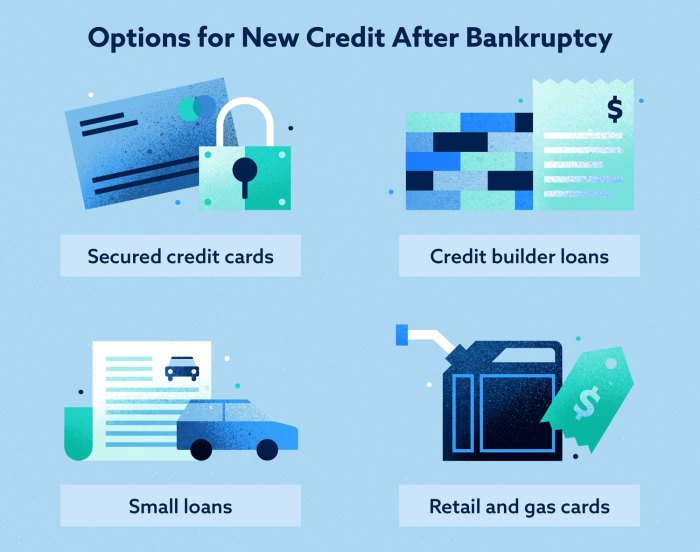
Rebuilding your credit after bankruptcy is like training for a marathon – it requires the right tools, a solid plan, and a sprinkle of determination. But fear not, for a wealth of financial products and resources awaits you! With the right guidance and a bit of humor, you’ll be well on your way to reclaiming that pristine credit score.When it comes to rebuilding credit, the right financial tools can be your best friends.
Think of them as your credit-recovery cheerleaders, chanting “You can do it!” while you navigate the sometimes bumpy road ahead. Here, we delve into the financial products that are not only suitable but also effective for those looking to rise from the ashes of bankruptcy.
Financial Products for Rebuilding Credit
Secured credit cards and loans are often the superheroes of the credit-rebuilding world. They allow you to get back on track by providing an opportunity to demonstrate responsible credit usage. Here’s what you need to know about these financial gems:
- Secured Credit Cards: These cards require a cash deposit that acts as your credit limit. For example, if you deposit $300, your limit is $300. Use it wisely, and before you know it, you’ll be shining like a newly polished apple!
- Credit Builder Loans: These loans are designed to help you rebuild credit. You make monthly payments, which are reported to credit bureaus. It’s like having your cake and eating it too – you get to build credit while saving money!
- Retail Store Credit Cards: While these can come with high-interest rates, they can be easier to obtain. If you use them wisely, they can help improve your credit score as well. Just remember, they’re not an excuse to stockpile 37 pairs of shoes!
Budgeting Techniques for Credit Recovery
Budgeting is essential for anyone on the road to credit recovery. It’s your trusty GPS guiding you through the financial landscape, helping you avoid potholes and detours. Here are some techniques to keep your finances on track:
- Zero-Based Budgeting: Every dollar gets a job! Your income minus expenses should equal zero. This method helps you track where your money goes, making it easier to allocate funds towards rebuilding your credit.
- The 50/30/20 Rule: Allocate 50% of your income to needs, 30% to wants, and 20% to savings and debt repayment. This balanced approach keeps your credit recovery efforts healthy and sustainable.
- Automated Savings: Set up automatic transfers to your savings account. It’s like having a personal trainer for your finances – ensuring you save consistently without even thinking about it!
Reputable Financial Institutions for Post-Bankruptcy Services
Several reputable financial institutions offer products tailored for individuals post-bankruptcy. These institutions understand that everyone deserves a second chance – just like that sitcom character who always seems to bounce back. Here are a few you might consider:
- Discover: Known for their secured credit card options, they also provide educational resources for credit recovery. Their customer service is reliable, like a loyal dog at your side!
- Capital One: This institution offers various credit-building products, including secured credit cards. They provide valuable tools to help you track your credit score and progress.
- Credit Unions: Often overlooked, local credit unions can be a treasure trove of supportive financial products, including credit builder loans with lower interest rates. Plus, they’re usually more willing to work with those in recovery.
Legal and Professional Guidance
Navigating the choppy waters of credit rebuilding after bankruptcy can be as daunting as trying to teach a cat to fetch. Fortunately, there are seasoned professionals ready to lend a helping hand (or paw) to guide you through this process. Legal and financial experts can empower you with the knowledge and strategies needed to turn your financial ship around.
Role of Bankruptcy Lawyers in the Recovery Process
Bankruptcy lawyers are the navigators of your financial recovery journey, steering you away from the rocky shores of poor credit. They provide invaluable advice on how to manage your debts post-bankruptcy, ensuring that you’re not just treading water but propelling yourself toward solid ground. From guiding you through the complexities of the bankruptcy process to advising on the best path to rebuilding, they play a critical role in your recovery.
Here are some key functions that bankruptcy lawyers typically perform:
- Expert Analysis: They analyze your financial situation and help you understand your options for rebuilding credit.
- Legal Representation: If any disputes arise with creditors, they represent you and advocate on your behalf.
- Personalized Strategy: They create a tailored plan for financial recovery based on your unique situation.
Importance of Credit Counseling Services After Bankruptcy
Once the dust settles on your bankruptcy, credit counseling services swoop in like superheroes in sensible shoes. These organizations provide essential education and support as you begin to rebuild your credit profile. They help you understand your rights, create a budget, and make informed decisions about your financial future.Engaging with a credit counseling service can offer the following benefits:
- Financial Education: They offer workshops and resources to enhance your financial literacy.
- Debt Management Plans: They help create plans to manage existing debts while you rebuild your credit.
- Improved Credibility: Being associated with a certified credit counseling service can enhance your credibility with potential lenders.
Tips for Selecting the Right Professionals to Assist in Rebuilding Credit
Choosing the right professionals is like finding a needle in a haystack—if that needle were trying to give you sound financial advice amidst a pile of bad loans. Here’s how to sift through the options and select the best financial allies for your credit rebuilding journey.Consider these tips when seeking professional help:
- Look for Credentials: Ensure the lawyer or counselor is certified and has a good reputation in the industry.
- Seek Recommendations: Ask friends, family, or financial advisors for trusted referrals; sometimes, word of mouth can lead you to hidden gems.
- Interview Potential Candidates: Schedule consultations to gauge their expertise and how well they communicate; it’s important to find someone who speaks your language!
- Understand the Fees: Be clear on the costs upfront to avoid any surprises later; transparency is key in financial matters.
“A budget is telling your money where to go instead of wondering where it went.” – John C. Maxwell
Summary
So there you have it, folks! Rebuilding credit after bankruptcy is not just a task; it’s a grand adventure filled with budgeting wizardry, the magic of secured credit cards, and the sage advice of trusted professionals. It may take time and patience, like waiting for a pot of water to boil, but with the right mindset and resources, you’ll be back on that financial roller coaster, hands in the air, screaming with joy in no time!
FAQ Insights
How long does it take to rebuild credit after bankruptcy?
Typically, it can take anywhere from a few months to several years, depending on your actions and financial habits following bankruptcy.
Can I get a credit card after bankruptcy?
Yes, many companies offer secured credit cards specifically for individuals rebuilding their credit after bankruptcy.
What should I focus on first when rebuilding credit?
Start with making on-time payments for your bills and loans, as payment history has a significant impact on your credit score.
Are there credit counseling services that can help me?
Absolutely! Many reputable credit counseling services can provide guidance and support tailored to your situation.
Will bankruptcy affect my credit score forever?
Not forever! While it can stay on your credit report for up to 10 years, you can take steps to improve your score during that time.