Welcome to the wild world of Personal bankruptcy laws, where financial woe meets the legal limbo! If you’ve ever found yourself wondering how to rise like a phoenix from the ashes of debt, you’re in the right place. Think of bankruptcy as your financial reset button, and no, you won’t need a hammer to press it!
These laws are designed to help individuals escape the clutches of overwhelming debt through various avenues, including Chapter 7 and Chapter 13 filings. Each option has its own process and implications, but don’t worry! We’ll unravel these complexities like a bad yarn of tangled Christmas lights. Plus, we’ll tackle how this journey affects your credit score and your future financial escapades.
Understanding Personal Bankruptcy Laws
Imagine a world where financial stress disappears faster than your favorite dessert at a party. This is the promise of personal bankruptcy laws, designed to give individuals a fresh start when debts pile up higher than a stack of unpaid bills. While these laws can be a safety net, they also come with their own set of rules that require understanding.
Let’s dig into the nitty-gritty of personal bankruptcy laws, so you can navigate this financial labyrinth with a sense of humor and a bit of wisdom.The key components of personal bankruptcy laws revolve around providing relief to individuals overwhelmed by debt while ensuring fair treatment for creditors. These laws allow individuals to either eliminate their debts entirely or manage them under a structured repayment plan.
At the heart of this framework are the specific types of bankruptcy filings, notably Chapter 7 and Chapter 13, each with its own process and implications.
Types of Personal Bankruptcy Filings
Understanding the types of personal bankruptcy filings is crucial, as each offers different pathways to financial recovery. Here’s a breakdown of the two most common types:
1. Chapter 7 Bankruptcy
Often referred to as “liquidation bankruptcy,” it allows individuals to discharge most unsecured debts, such as credit card bills and medical expenses.
Individuals must pass a means test to qualify, ensuring that the process targets those truly in need.
Assets may be sold (liquidated) to pay off creditors, but many people keep essential possessions, thanks to certain exemptions.
2. Chapter 13 Bankruptcy
Known as “reorganization bankruptcy,” this option is for individuals with a regular income who wish to keep their property while repaying debts over a three to five-year period.
Debtors propose a repayment plan to make installments to creditors, which can sometimes reduce the total debt owed.
This option is particularly attractive for individuals facing foreclosure, allowing them to catch up on missed mortgage payments.
Both options come with specific eligibility requirements and implications for the debtor’s future.
“Bankruptcy is a legal status of a person who cannot repay the debts owed to creditors.”
Effects of Personal Bankruptcy on Credit Scores
The aftermath of filing for bankruptcy isn’t all rainbows and butterflies; it often leaves a mark on your credit score that resembles a stubborn stain on a favorite shirt. Here’s how personal bankruptcy affects credit scores and what it means for future financial opportunities:
Immediate Impact
Bankruptcy usually results in a significant drop in credit scores, often by 200 points or more, depending on the individual’s financial history.
Long-Term Effects
The bankruptcy will remain on a credit report for up to 10 years for Chapter 7 and 7 years for Chapter 13, influencing borrowing capabilities during that time.
Future Opportunities
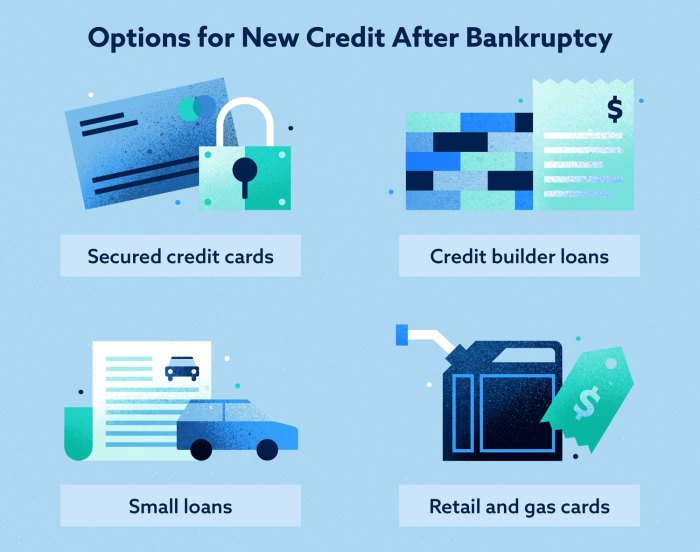
While a bankruptcy filing can seem like the end of the world, it can also provide a clean slate, making it possible to rebuild credit over time through responsible financial habits. This may include secured credit cards or small loans, which can help improve creditworthiness.In conclusion, while navigating the maze of personal bankruptcy laws may seem daunting, understanding the types of filings and their implications can empower you to make informed decisions.
Remember, with a sprinkle of humor and a dash of knowledge, financial recovery can be just around the corner!
The Role of Bankruptcy Lawyers
Navigating the tumultuous waters of personal bankruptcy can feel like trying to swim with a heavy anchor tied around your ankle. That’s where bankruptcy lawyers come in, your trusty life vests in this financial ocean of despair. These legal eagles specialize in helping individuals and businesses alike manage their debts, ensuring that you don’t drown in the sea of paperwork and legal jargon.
With them by your side, the path to financial recovery can become a bit clearer and a whole lot less stressful.Bankruptcy lawyers carry a hefty responsibility—acting as your guide through the legal labyrinth of bankruptcy laws and procedures. They are well-versed in the complexities of the law and can help you understand your options, whether it’s filing for Chapter 7, Chapter 11, or Chapter 13 bankruptcy.
Their functions can be summarized into a few key areas:
Responsibilities of Bankruptcy Lawyers
The duties of bankruptcy lawyers encompass a wide array of tasks that are crucial for a smooth bankruptcy process. Here’s what they typically handle:
- Initial Consultation: They assess your financial situation, discuss your options, and determine the best course of action tailored to your needs.
- Paperwork Preparation: Bankruptcy involves a mountain of paperwork. Lawyers ensure that all forms are completed accurately and filed correctly, avoiding potential pitfalls.
- Representation in Court: If your case goes to court, your lawyer will represent you, presenting your situation and advocating on your behalf.
- Negotiation with Creditors: They can negotiate with creditors to establish more favorable payment terms or settlements, potentially saving you a boatload of stress and money.
- Post-Bankruptcy Guidance: Even after filing, bankruptcy lawyers provide advice on rebuilding your credit and managing finances moving forward.
Tips for Selecting a Qualified Bankruptcy Lawyer
Finding the right bankruptcy lawyer is akin to finding a needle in a haystack—if that needle could help you avoid financial disaster. Here are some tips to help you sift through the options:
- Experience is Key: Look for lawyers who specialize in bankruptcy and have a proven track record. Experience can make a significant difference in the outcome of your case.
- Consultation Matters: Take advantage of initial consultations. This is your opportunity to gauge their expertise and see if you feel comfortable with them.
- Client Reviews: Check reviews or testimonials. A good reputation can be a strong indicator of a lawyer’s capabilities.
- Fees Transparency: Ensure they explain their fee structure upfront. You don’t want to be shocked by hidden costs later on.
- Personal Connection: Choose someone you can communicate with effectively. You need a lawyer who listens and understands your concerns.
Potential Costs of Hiring a Bankruptcy Lawyer
When it comes to hiring a bankruptcy lawyer, understanding the potential costs involved is crucial for budgeting. The range of fees can vary widely based on location, the complexity of your case, and the lawyer’s experience. Here’s a breakdown of what you might expect:
- Flat Fees: Many bankruptcy lawyers charge a flat fee for services, typically ranging from $1,000 to $3,500, depending on the type of bankruptcy.
- Hourly Rates: Some charge by the hour, which can be more expensive in the long run if your case is complicated. Hourly rates can range from $150 to $500 or more.
- Retainer Fees: Certain lawyers may require a retainer, which is an upfront cost that goes towards your legal fees as the case progresses.
- Payment Plans: Many bankruptcy lawyers offer flexible payment plans to make their services more accessible, so don’t hesitate to ask about this option.
- Managing Costs: To effectively manage costs, it’s wise to gather all necessary documents beforehand, allowing for more efficient use of your lawyer’s time.
Hiring the right bankruptcy lawyer is not just about saving money; it’s about finding a partner in your journey toward financial freedom.
Tips for Navigating Bankruptcy and Financial Recovery
Navigating the turbulent waters of bankruptcy can feel like trying to steer a ship with a hole in it. However, with a few practical tips and a touch of humor, we can patch that ship and sail towards financial recovery. It’s time to buckle up and take charge of your finances while rebuilding your credit with the finesse of a magician pulling a rabbit out of a hat—no disappearing acts, please!
Budgeting and Managing Finances Post-Bankruptcy
The road to financial recovery is paved with smart budgeting. After bankruptcy, it’s crucial to create a budget that doesn’t just survive but thrives! Here’s how to get started on the right foot, or the left—whichever one dances better.
- Track Every Penny: Use apps or a simple spreadsheet to monitor your expenses. Remember, every cent counts—even that sneaky dollar you spend on coffee!
- Prioritize Needs Over Wants: Needs are essentials like food and housing; wants are those shiny new shoes that make you go “ooh.” Focus on the essentials first!
- Set Savings Goals: Even if it’s a small amount, saving regularly helps rebuild your financial cushion. Think of it as your personal treasure chest—no pirates allowed!
“Budgeting is telling your money where to go instead of wondering where it went.”
Common Pitfalls to Avoid During the Bankruptcy Process
Bankruptcy may offer a fresh start, but it can come with its own set of traps that are as enticing as a siren’s call. Avoid these common pitfalls to ensure your financial recovery is smooth sailing.
- Ignoring Asset Protection: Be aware of what assets are exempt. Selling everything in a panic is not the way to go. Your grandma’s heirloom? That’s a no-touch zone!
- Accumulating New Debt: Resist the urge to swipe that credit card like it’s a magic wand. Yes, the temptation is real, but stay strong!
- Failing to Communicate with Creditors: Keeping the lines of communication open can lead to better payment terms or even reduced debts. Remember, silence may not always be golden—sometimes it’s just awkward!
Step-by-Step Plan for Considering Bankruptcy
Considering bankruptcy isn’t just a whimsical decision; it’s a well-thought-out process that requires preparation and documentation. Here’s a foolproof plan to follow, like a recipe for a delicious pie—just without the calories!
- Gather Financial Documents: Collect pay stubs, tax returns, and bank statements. Think of it as putting together a puzzle where every piece matters!
- Assess Your Debts and Assets: Create a comprehensive list. Know what you owe and what you own—like a financial detective on a mission!
- Consult with a Bankruptcy Lawyer: Seek expert advice tailored to your situation. A good lawyer will help you navigate the process like a GPS on a road trip.
- Complete Required Credit Counseling: This step is mandatory. It’s a bit like going to a seminar about how to eat your veggies—necessary but not always exciting!
- File the Bankruptcy Petition: Submit your petition and all required documents to the court. This is your official request for a financial reboot!
Final Conclusion
So there you have it, folks! Personal bankruptcy laws may seem like a daunting mountain to climb, but with the right knowledge and a trusty bankruptcy lawyer by your side, you can navigate the rocky terrain of financial recovery. Remember, it’s not the end of the road, just a detour to a brighter and more financially savvy future. Now go forth and conquer your debt like a true financial warrior!
FAQ Corner
What is personal bankruptcy?
Personal bankruptcy is a legal process that helps individuals eliminate or repay their debts under the protection of the bankruptcy court.
Will bankruptcy affect my credit score?
Yes, filing for bankruptcy can significantly impact your credit score, typically lowering it for several years, but it can also set you on a path to rebuilding your credit over time.
How long does the bankruptcy process take?
The duration varies depending on the type of bankruptcy filed; Chapter 7 typically takes about 3 to 6 months, while Chapter 13 can last 3 to 5 years.
Can I keep my house if I file for bankruptcy?
It depends on the bankruptcy type and your equity in the home; some people can keep their homes, while others may have to sell to pay off debts.
Do I need a lawyer to file for bankruptcy?
While it’s not legally required, hiring a qualified bankruptcy lawyer can make the process smoother and help you avoid costly mistakes.