How to budget like a pro without selling a kidney

How to budget

Welcome to the thrilling world of budgeting, where your dollars can dance and your cents can sing! How to budget is more than just pinching pennies; it’s about giving your financial future a fabulous facelift. Imagine strutting down the street with confidence, knowing your finances are as organized as your sock drawer—because who doesn’t love a neatly organized sock drawer?

In this money-savvy adventure, we’ll uncover the essentials of budgeting, from the basics that keep you afloat to advanced techniques that make you feel like a financial wizard. We’ll equip you with all the tools you need to track your income and expenses while making sense of budgeting strategies that can turn financial chaos into a delightful symphony of savings.

Budgeting Basics

Budgeting is the financial superhero we all need but might not know we want. It swoops in to rescue us from the clutches of overspending and helps us gain control over our financial destiny. When you budget effectively, you’re not just managing your money; you’re giving your financial health a solid workout. Just like you wouldn’t run a marathon without preparing, you shouldn’t navigate your finances without a budget.Creating a personal budget is like baking a cake—follow the recipe, and you’ll have a delightful result.

It ensures you’re not just throwing random ingredients together (or in this case, random expenses), only to discover that what comes out of the oven is less than appetizing. Here’s a simple recipe for your budgeting cake:

Steps to Create a Personal Budget

Taking the first step in budgeting involves several crucial ingredients that contribute to a well-balanced financial dish. In this section, we’ll Artikel the steps that will help you prepare your budget effectively.

1. Identify Your Income

Gather all your sources of income, including salaries, side hustles, and passive income. This is your financial flour—without it, nothing will rise!

2. List Your Expenses

Break down your spending into fixed (rent, utilities) and variable (dining out, shopping) costs. Think of this as your sugar and spice; too much and your cake will be too sweet!

3. Set Financial Goals

Determine short-term and long-term goals, whether saving for a vacation or a cozy retirement. These are your cake decorations—what you want to showcase!

4. Create the Budget

Allocate your income towards your expenses and savings. Make sure your total expenses don’t exceed your income—otherwise, your budget might collapse like a poorly baked soufflé!

Methods for Tracking Income and Expenses

Monitoring your income and expenses is essential to avoid any financial flops. With the right tracking methods, your budget can be a well-organized masterpiece rather than a chaotic canvas. Here are some methods to keep your finances on point: Digital Tools: Apps like Mint or YNAB (You Need A Budget) offer user-friendly interfaces for tracking expenses and incomes effortlessly. They’re like having a sous-chef who helps you keep your kitchen (or finances) in check! Spreadsheets: For the tech-savvy, a custom spreadsheet can be a great way to track your finances.

You can create tables to record your income versus your expenses monthly, providing a clear visual of your financial landscape. Paper Journals: Sometimes, old school is the way to go! Writing down your expenses in a notebook can be therapeutic and helps you stay mindful of your spending habits. Plus, there’s something satisfying about crossing off expenses with a pen.

“A budget is telling your money where to go instead of wondering where it went.” – John C. Maxwell

By integrating these methods into your budgeting routine, you’ll ensure your financial journey is not only sustainable but also enjoyable, with a few laughs along the way. So grab your budgeting cape, and let’s make your finances fly!

Advanced Budgeting Techniques

Mastering the art of budgeting is like juggling flaming swords while riding a unicycle—impressive, slightly terrifying, but ultimately rewarding. As you venture into the advanced techniques of budgeting, you’ll find strategies that not only help you keep your financial ducks in a row but also ensure those ducks are well-fed and happy. Let’s dive into the techniques that could transform your financial landscape, with a sprinkle of humor and a dash of creativity.

50/30/20 Budgeting Rule

The 50/30/20 rule is like the holy grail of budgeting for many. This simple yet powerful strategy divides your after-tax income into three categories: needs, wants, and savings. The concept is straightforward: allocate 50% of your income to essentials (like rent and groceries), 30% to your desires (like your Netflix binge-watching subscription), and 20% to savings and debt repayment. Think of it as a pizza where each slice represents a crucial aspect of your financial life:

  • Needs (50%): This slice is the largest and should cover everything vital for survival. We’re talking shelter, food, utilities, and maybe a little something for that coffee addiction.
  • Wants (30%): This is your fun slice. It’s for dining out, hobbies, and that fancy gym membership you never use—because who doesn’t need a little joy in life?
  • Savings (20%): The smallest but most important slice. This is where you build your financial fort, saving for emergencies or that dream vacation to a tropical paradise.

The 50/30/20 rule provides a practical framework that can help anyone manage their finances while still enjoying life.

Adjusting Budgets During Financial Changes or Emergencies

Life isn’t always a straight road; sometimes it throws in unexpected detours and roadblocks. Whether it’s a job loss, medical emergency, or an impulse buy on a shiny new gadget, you might find your budget suddenly needs a makeover. When faced with financial changes, here are some strategies to adapt:

  • Prioritize Essentials: Focus on your needs first. What do you absolutely need to survive? Cut out non-essentials like that daily latte, unless, of course, it’s your lifeline.
  • Trim the Fat: Review your budget for areas to cut back. Maybe it’s time to cancel that subscription you forgot about or reevaluate your cable bill.
  • Communicate: If you share finances with someone, be open about changes. A united front can make budgeting during tough times less stressful.
  • Emergency Fund: If you have one, now’s the time to use it! If you don’t, consider it a lesson learned for the future.

Flexibility is key; adjust your budget with the same agility you’d use to dodge puddles on a rainy day.

Zero-Based Budgeting

Zero-based budgeting is like giving your budget a clean slate—every penny has a purpose. With this method, every dollar you earn is allocated to specific expenses, savings, or debt repayment, resulting in a zero balance at the end of the month. It’s as if you’re telling your money, “You’re not leaving here without a job!”The advantages of zero-based budgeting include:

  • Enhanced Control: You get to see where every dollar goes, allowing you to control your spending like a financial superhero.
  • Encourages Saving: With every dollar assigned, you’re more likely to find room for savings rather than letting it slip through your fingers.
  • Adaptability: This method encourages you to review your budget regularly and adjust it according to your actual spending and changing needs.
  • Financial Awareness: It promotes a better understanding of your spending habits, enabling you to make more informed decisions.

With zero-based budgeting, each dollar becomes a soldier in your financial army, working hard to achieve your goals.

Financial Challenges and Solutions

How to budget

Navigating the financial waters can feel like being on a rollercoaster—you’re up one minute, down the next, and sometimes it seems like the ride just won’t end. Many individuals encounter common financial challenges that can make budgeting feel like trying to solve a Rubik’s cube blindfolded. Understanding these challenges and employing effective strategies can help you regain control of your finances and even make budgeting a little more fun (yes, we said fun).Identifying these challenges is the first step towards financial empowerment.

From unexpected medical bills to the ever-looming burden of student loans, it’s essential to have a plan in place. Here’s a closer look at some prevalent financial hurdles and how to leap over them like a pro.

Common Financial Challenges and Budgeting Strategies

The reality is that life throws curveballs, and sometimes they come with hefty price tags. To tackle these financial challenges head-on, consider the following strategies:

  • Unexpected Medical Bills: Health issues can spring up without a moment’s notice, leaving your wallet in a state of shock. To mitigate this, set up a dedicated health savings account (HSA) and contribute to it regularly. Think of it as a financial safety net—except it’s way less messy than a trampoline.
  • Auto Loans: Owning a car can feel like a love-hate relationship, especially when monthly payments make your bank account feel lighter than a feather. To combat this, consider refinancing your loan for a lower interest rate or even shop around for more affordable options. If all else fails, remember: it’s cheaper to walk than to put your finances into a quarter-life crisis.

  • Student Loans: Graduating from college comes with a cap and gown, and a mountain of debt. Create a realistic repayment plan that fits within your budget. Utilize income-driven repayment options and make extra payments whenever possible to chip away at the principal faster. Every little bit helps, kind of like trying to lose weight by walking to the fridge instead of running!

“A budget is telling your money where to go instead of wondering where it went.” – John C. Maxwell

Budgeting for Major Expenses

Major expenses like auto loans and medical bills can feel like a boulder rolling down a hill, gathering momentum as it approaches your finances. Careful planning and strategic budgeting can help you sidestep the avalanche. Here’s how to approach these big-ticket items:When budgeting for substantial expenses, ensure you:

  • Prioritize your payments. Identify which debts or expenses are most pressing and tackle them first to avoid spiraling into further debt.
  • Set aside a specific amount each month for these expenses. A sinking fund, where you save a little each month for future large purchases or payments, can prevent financial heartburn.
  • Review your monthly expenses regularly. This practice allows you to reallocate funds as necessary, ensuring you remain on track without dipping into your budget’s emergency chocolate stash.

The Role of Bankruptcy in Financial Planning

Bankruptcy is often seen as a last resort, akin to pulling the fire alarm in a crowded theater. While it can provide a fresh start, it’s essential to understand its long-term implications on your financial health. Avoiding bankruptcy should be a priority in your financial strategy.To steer clear of bankruptcy, consider:

  • Staying organized with bills and payments. Use calendars and reminders to avoid late fees that can snowball into bigger debts.
  • Seeking professional advice when you notice you’re unable to manage your debts. Financial advisors can provide tailored advice and might help you find solutions before you consider bankruptcy.
  • Creating a debt repayment plan that’s realistic and sustainable. Focus on one debt at a time while making minimum payments on others; this is often referred to as the snowball method—because who doesn’t love watching a snowball grow?

Concluding Remarks

Budget expenses

And there you have it, folks! Budgeting doesn’t have to be a chore; it can be your ticket to financial freedom and fun. By implementing these strategies, you’ll not only conquer your financial challenges but also emerge as a budgeting champion ready to tackle whatever life throws your way. So grab your calculator, put on your budgeting cape, and let’s make those numbers work for you!

FAQ

What is the first step to creating a budget?

The first step is to track your income and expenses for at least a month to understand where your money goes.

How often should I review my budget?

You should review your budget monthly to make necessary adjustments and stay on track with your financial goals.

Can I budget if I have irregular income?

Absolutely! Just average your income over several months and budget based on that figure, adjusting as needed.

What should I do if I exceed my budget?

Don’t panic! Analyze where you overspent, learn from it, and adjust your budget or spending habits accordingly.

Is it okay to treat myself while budgeting?

<pYes! Include a “fun” category in your budget for guilt-free treats, ensuring you stay motivated to stick to your plan.

Rebuilding credit after bankruptcy a comical comeback

Bankruptcy lamaran salah dropbox anders liefhebben kinderen manieren ouders narcistische waarop rebuild forbes advisor repairs fool brisbane happened

Rebuilding credit after bankruptcy might sound like trying to teach a cat to fetch—challenging and possibly slightly absurd, but oh-so-rewarding! The journey may be fraught with pitfalls, like hopping on a pogo stick while blindfolded, but fear not! With some savvy strategies and a sprinkle of perseverance, you can transform your financial fiasco into a success story worthy of a standing ovation.

Why is restoring your creditworthiness so crucial, you ask? Well, good credit can unlock doors to better interest rates, new opportunities, and financial freedom. It’s like finally getting the chance to ride the roller coaster at the amusement park after being stuck on the kiddie rides—thrilling! Let’s dive into the nitty-gritty of this journey, armed with financial tools and a dash of legal wisdom.

Importance of Rebuilding Credit After Bankruptcy

Embarking on the journey of rebuilding credit after bankruptcy is akin to tending to a garden after a storm. The soil may seem desolate, but with patience, care, and the right strategies, it can flourish once more. Restoring creditworthiness is not just a matter of numbers; it’s about reclaiming your financial freedom and opening doors to future opportunities.Rebuilding credit is significant for several reasons.

After filing for bankruptcy, your credit score may resemble a sad puppy with its tail between its legs, but fear not! Restoring that score is crucial for securing loans, renting apartments, and even landing jobs in some cases. With good credit, you pave the way for favorable interest rates, which means more money in your pocket for ice cream and less for banking fees.

The long-term benefits of having good credit include better loan conditions, increased chances of approval for credit cards, and a stronger financial safety net in emergencies.

Strategies for Improving Credit Scores After Bankruptcy

To improve your credit score post-bankruptcy, you must adopt a strategic approach, which is as essential as feeding your pet goldfish. Here’s a breakdown of effective strategies that can help you raise that score like a hot air balloon on a sunny day:

  • Establish a Budget: Crafting a budget is your first step towards financial recovery. It helps you track spending and save for the future. Aim for a budget that allows you to pay off debts and still have some fun money left over—because who wants to live like a hermit, anyway?
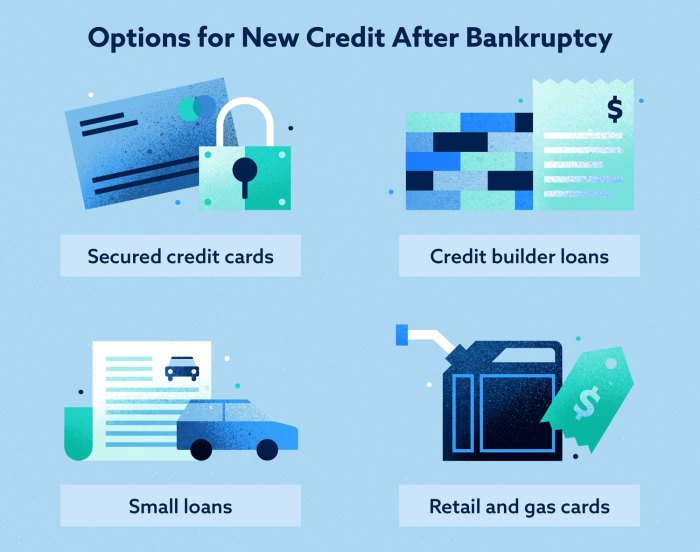
  • Open Secured Credit Accounts: Secured credit cards are like training wheels for your credit. They require a deposit, which serves as your credit limit. Use them responsibly, and you’ll build up that score faster than a squirrel can climb a tree.
  • Make Timely Payments: Consistently paying bills on time is crucial. Set reminders like you would for your favorite TV show, because late payments can haunt you like the ghost of credit past.
  • Review Your Credit Report: Regularly checking your credit report is like getting a health check-up for your finances. Look for errors and dispute any inaccuracies, because even the best systems can hiccup occasionally.
  • Limit New Credit Applications: While it’s tempting to apply for every shiny new credit card, each application can ding your score. Think of it as a fitness challenge—focus on slowly building strength instead of running a marathon right out of bankruptcy.

Implementing these strategies will help you regain the trust of lenders and boost your credit score, allowing you to re-enter the financial world with confidence and perhaps a little more flair than before.

Financial Tools and Resources

Rebuilding bankruptcy

Rebuilding your credit after bankruptcy is like training for a marathon – it requires the right tools, a solid plan, and a sprinkle of determination. But fear not, for a wealth of financial products and resources awaits you! With the right guidance and a bit of humor, you’ll be well on your way to reclaiming that pristine credit score.When it comes to rebuilding credit, the right financial tools can be your best friends.

Think of them as your credit-recovery cheerleaders, chanting “You can do it!” while you navigate the sometimes bumpy road ahead. Here, we delve into the financial products that are not only suitable but also effective for those looking to rise from the ashes of bankruptcy.

Financial Products for Rebuilding Credit

Secured credit cards and loans are often the superheroes of the credit-rebuilding world. They allow you to get back on track by providing an opportunity to demonstrate responsible credit usage. Here’s what you need to know about these financial gems:

  • Secured Credit Cards: These cards require a cash deposit that acts as your credit limit. For example, if you deposit $300, your limit is $300. Use it wisely, and before you know it, you’ll be shining like a newly polished apple!
  • Credit Builder Loans: These loans are designed to help you rebuild credit. You make monthly payments, which are reported to credit bureaus. It’s like having your cake and eating it too – you get to build credit while saving money!
  • Retail Store Credit Cards: While these can come with high-interest rates, they can be easier to obtain. If you use them wisely, they can help improve your credit score as well. Just remember, they’re not an excuse to stockpile 37 pairs of shoes!

Budgeting Techniques for Credit Recovery

Budgeting is essential for anyone on the road to credit recovery. It’s your trusty GPS guiding you through the financial landscape, helping you avoid potholes and detours. Here are some techniques to keep your finances on track:

  • Zero-Based Budgeting: Every dollar gets a job! Your income minus expenses should equal zero. This method helps you track where your money goes, making it easier to allocate funds towards rebuilding your credit.
  • The 50/30/20 Rule: Allocate 50% of your income to needs, 30% to wants, and 20% to savings and debt repayment. This balanced approach keeps your credit recovery efforts healthy and sustainable.
  • Automated Savings: Set up automatic transfers to your savings account. It’s like having a personal trainer for your finances – ensuring you save consistently without even thinking about it!

Reputable Financial Institutions for Post-Bankruptcy Services

Several reputable financial institutions offer products tailored for individuals post-bankruptcy. These institutions understand that everyone deserves a second chance – just like that sitcom character who always seems to bounce back. Here are a few you might consider:

  • Discover: Known for their secured credit card options, they also provide educational resources for credit recovery. Their customer service is reliable, like a loyal dog at your side!
  • Capital One: This institution offers various credit-building products, including secured credit cards. They provide valuable tools to help you track your credit score and progress.
  • Credit Unions: Often overlooked, local credit unions can be a treasure trove of supportive financial products, including credit builder loans with lower interest rates. Plus, they’re usually more willing to work with those in recovery.

Legal and Professional Guidance

Navigating the choppy waters of credit rebuilding after bankruptcy can be as daunting as trying to teach a cat to fetch. Fortunately, there are seasoned professionals ready to lend a helping hand (or paw) to guide you through this process. Legal and financial experts can empower you with the knowledge and strategies needed to turn your financial ship around.

Role of Bankruptcy Lawyers in the Recovery Process

Bankruptcy lawyers are the navigators of your financial recovery journey, steering you away from the rocky shores of poor credit. They provide invaluable advice on how to manage your debts post-bankruptcy, ensuring that you’re not just treading water but propelling yourself toward solid ground. From guiding you through the complexities of the bankruptcy process to advising on the best path to rebuilding, they play a critical role in your recovery.

Here are some key functions that bankruptcy lawyers typically perform:

  • Expert Analysis: They analyze your financial situation and help you understand your options for rebuilding credit.
  • Legal Representation: If any disputes arise with creditors, they represent you and advocate on your behalf.
  • Personalized Strategy: They create a tailored plan for financial recovery based on your unique situation.

Importance of Credit Counseling Services After Bankruptcy

Once the dust settles on your bankruptcy, credit counseling services swoop in like superheroes in sensible shoes. These organizations provide essential education and support as you begin to rebuild your credit profile. They help you understand your rights, create a budget, and make informed decisions about your financial future.Engaging with a credit counseling service can offer the following benefits:

  • Financial Education: They offer workshops and resources to enhance your financial literacy.
  • Debt Management Plans: They help create plans to manage existing debts while you rebuild your credit.
  • Improved Credibility: Being associated with a certified credit counseling service can enhance your credibility with potential lenders.

Tips for Selecting the Right Professionals to Assist in Rebuilding Credit

Choosing the right professionals is like finding a needle in a haystack—if that needle were trying to give you sound financial advice amidst a pile of bad loans. Here’s how to sift through the options and select the best financial allies for your credit rebuilding journey.Consider these tips when seeking professional help:

  • Look for Credentials: Ensure the lawyer or counselor is certified and has a good reputation in the industry.
  • Seek Recommendations: Ask friends, family, or financial advisors for trusted referrals; sometimes, word of mouth can lead you to hidden gems.
  • Interview Potential Candidates: Schedule consultations to gauge their expertise and how well they communicate; it’s important to find someone who speaks your language!
  • Understand the Fees: Be clear on the costs upfront to avoid any surprises later; transparency is key in financial matters.

“A budget is telling your money where to go instead of wondering where it went.” – John C. Maxwell

Summary

Bankruptcy lamaran salah dropbox anders liefhebben kinderen manieren ouders narcistische waarop rebuild forbes advisor repairs fool brisbane happened

So there you have it, folks! Rebuilding credit after bankruptcy is not just a task; it’s a grand adventure filled with budgeting wizardry, the magic of secured credit cards, and the sage advice of trusted professionals. It may take time and patience, like waiting for a pot of water to boil, but with the right mindset and resources, you’ll be back on that financial roller coaster, hands in the air, screaming with joy in no time!

FAQ Insights

How long does it take to rebuild credit after bankruptcy?

Typically, it can take anywhere from a few months to several years, depending on your actions and financial habits following bankruptcy.

Can I get a credit card after bankruptcy?

Yes, many companies offer secured credit cards specifically for individuals rebuilding their credit after bankruptcy.

What should I focus on first when rebuilding credit?

Start with making on-time payments for your bills and loans, as payment history has a significant impact on your credit score.

Are there credit counseling services that can help me?

Absolutely! Many reputable credit counseling services can provide guidance and support tailored to your situation.

Will bankruptcy affect my credit score forever?

Not forever! While it can stay on your credit report for up to 10 years, you can take steps to improve your score during that time.

Chapter 7 bankruptcy A Rollercoaster Ride to Financial Freedom

Bankruptcy process efinancemanagement

Welcome to the wild world of Chapter 7 bankruptcy, where your financial woes can take a scenic detour to reliefville! Imagine a place where overwhelming debt gets a one-way ticket out of your life, and you’re left with a fresh start and a lot less stress—now that’s a ride worth taking!

In this episode of Financial Adventures, we’ll dive into the nuts and bolts of Chapter 7 bankruptcy: what it is, who can hop on this ride, and what magical wonders happen to your credit afterward. Strap in as we explore the debt-dodging delights and the post-bankruptcy budgeting wizardry!

Understanding Chapter 7 Bankruptcy

Chapter 7 bankruptcy, often dubbed the “fresh start” option, offers individuals drowning in debt a lifeline. Imagine a financial reset button that allows you to wave goodbye to most of your unsecured debts—sounds appealing, right? But before you start popping the confetti and planning your debt-free celebration, it’s essential to navigate the process and understand the criteria you must meet to qualify for this financial cleanse.Filing for Chapter 7 bankruptcy is akin to preparing for a roller coaster ride: it requires some paperwork, a few key decisions, and a willingness to hold on tight.

The process begins with completing a means test to evaluate your income against the state median; if you’re below that threshold, congratulations! You’re eligible for Chapter 7. Next up, you’ll need to gather your financial documents, complete the bankruptcy petition, and file it in your local bankruptcy court. Don’t forget to pay the filing fee—because unfortunately, even bankruptcy has its toll.

After filing, a trustee will be appointed to review your case, and they’ll help ensure an orderly liquidation of non-exempt assets.

Eligibility Criteria for Chapter 7 Bankruptcy

Understanding eligibility for Chapter 7 is vital, as this legal avenue isn’t a free-for-all. Individuals must meet specific criteria to take advantage of this financial reprieve. Here are the key factors that determine eligibility:

  • Means Test: Your average monthly income must fall below the state median for a household of your size. If your income is higher, don’t despair—there’s still the possibility of qualifying through additional calculations regarding your expenses.
  • Credit Counseling: Before you can file, you must complete a bankruptcy credit counseling course from an approved agency. This course can often be done online and is designed to ensure you understand your financial situation.
  • No Recent Bankruptcy Filings: If you’ve successfully filed for Chapter 7 bankruptcy in the last eight years, you’re unfortunately not eligible to file again just yet. Think of it as a cooling-off period for your finances.
  • Asset Consideration: While there are exemptions for certain types of assets, if you own valuable non-exempt property that could be sold to pay creditors, you may need to reconsider filing for Chapter 7.

Impact of Chapter 7 Bankruptcy on Credit Ratings

The financial aftershocks of filing for Chapter 7 bankruptcy can be significant, but they are not necessarily the end of the world. While your credit score may take a nosedive—potentially dropping by 130 to 240 points depending on your previous standing—this is a temporary setback. Here’s how it plays out in the grand financial scheme:

  • Immediate Impact: The bankruptcy will remain on your credit report for up to 10 years. This may make it challenging to secure loans or credit cards initially, but it doesn’t mean you’re banished to a life of cash-only dealings.
  • Rebuilding Opportunities: Many individuals can begin to rebuild their credit within a year of filing. Responsible use of credit cards and timely payments on new accounts can gradually improve your score.
  • Potential for Higher Interest Rates: When you do qualify for new credit, expect to face higher interest rates. It’s like being charged extra for a “debt-come-back” ticket at the amusement park of finances.
  • Future Financial Opportunities: While immediate access to credit may be limited, Chapter 7 can pave the way for a healthier financial future. With a clean slate, you can establish better spending habits and learn to manage your finances more effectively.

“Bankruptcy is not the end; it’s a chance to start anew.”

Financial Considerations and Consequences

Chapter 7 bankruptcy

Chapter 7 bankruptcy can feel like a financial rollercoaster, and not the fun kind where you throw your hands in the air. Before you buckle up, let’s dive into the nitty-gritty of what this ride entails, specifically regarding the types of debts you can wave goodbye to, how it impacts your auto loans, and some savvy tips for managing your finances post-bankruptcy, so you can get back on track without losing your lunch.

Types of Debts Discharged Under Chapter 7 Bankruptcy

One of the most significant aspects of filing for Chapter 7 bankruptcy is the ability to discharge certain unsecured debts. This means you can potentially kick some pesky financial obligations to the curb. Here’s a list of what debts you can typically expect to say farewell to:

  • Credit card debt: Those shopping sprees that seemed like a good idea at the time? Yeah, they can be wiped clean.
  • Medical bills: Because sometimes life throws you a curveball, and you end up with more hospital visits than you bargained for.
  • Personal loans: Whether from friends, family, or that “friendly” loan shark, these debts can often be discharged.
  • Collection agency debts: If you’ve been dodging calls from collectors, they may no longer be a concern after bankruptcy.
  • Certain utility bills: Keep the lights on post-bankruptcy without the weight of past due balances on your shoulders.

Discharging debts under Chapter 7 can provide the fresh start you need, but not all debts are eligible. Certain obligations like student loans and child support usually stick around like that one uninvited party guest.

Implications of Chapter 7 Bankruptcy on Auto Loans and Financing

When it comes to your trusty steed (a.k.a. your vehicle), Chapter 7 bankruptcy has some specific implications that can affect your ride. Here’s a rundown on what happens to auto loans post-bankruptcy:

  • If you want to keep your car, you’ll need to continue making payments. The bankruptcy doesn’t erase the loan; it just helps with unsecured debts.
  • In some cases, you can reaffirm the loan, which means you agree to continue paying it off after bankruptcy, thus keeping your car in your driveway instead of the repossession lot.
  • However, if you decide to let the car go, the lender may repossess it, and any unsecured deficiency after selling the car may be discharged.
  • Your credit score will take a hit, which may affect your ability to secure financing for a new vehicle in the future.

Your car may be a focal point in your life, but remember: make sure those payments keep rolling in post-bankruptcy, or you might find yourself walking to work.

Managing Finances Post-Bankruptcy

Congratulations! You’ve danced through the world of bankruptcy, and now it’s time to put on your financial thinking cap and manage your money like a pro. Here are some essential budgeting strategies to help you stay afloat:

  • Create a realistic budget: List your income and all essential expenses. Don’t forget that fancy coffee habit – those little things add up!
  • Establish an emergency fund: Start small—aim for at least $500, then gradually build it to cover three to six months of expenses.
  • Track your spending: Use apps or a good ol’ spreadsheet to monitor every penny. It’s your money; treat it like royalty!
  • Limit credit card use: While new credit may be available, treat it like a spice—use it sparingly to avoid overwhelming your budget.
  • Consider credit counseling: Professional guidance can help you navigate your financial rebuilding, so you don’t have to go it alone.

Taking control of your finances post-bankruptcy means building a solid foundation for a secure financial future. Remember, it’s not just about surviving; it’s about thriving!

Legal Support and Resources

Navigating the choppy waters of Chapter 7 bankruptcy can feel like trying to paddle a canoe through a waterfall—daunting and wet. Luckily, you don’t have to go it alone! That’s where bankruptcy lawyers come in, acting as your trusty life jackets, guiding you away from the rocks and toward calmer currents. Let’s dive into the invaluable role these legal wizards play, how to find the right one, and additional resources available to help you along this bumpy ride.

Role of Bankruptcy Lawyers

A bankruptcy lawyer is not just a legal guru; they are your financial fairy godmother. They transform your financial pumpkin into a carriage by ensuring your journey through bankruptcy is as smooth as butter on a hot pancake. Their responsibilities include:

  • Assessing your financial situation: They’ll review your assets, debts, and income to determine if Chapter 7 is the right fit for you.
  • Preparing and filing paperwork: This is where their magic really shines. They handle the mountain of documents and pesky deadlines, so you can focus on not pulling your hair out.
  • Representing you in court: Should you need to face the bankruptcy judge, your lawyer will be your knight in shining armor, advocating for your best interests.
  • Providing legal advice: They’ll guide you through the nuances of bankruptcy laws, ensuring you don’t accidentally trip over a legal landmine.

Finding and Selecting the Right Bankruptcy Attorney

Not all bankruptcy lawyers are created equal; some wear capes while others barely make it to the office in time. Choosing the right attorney is crucial for your financial health, so here’s a handy guide to help you sift through the sea of options:

  • Research: Start with online reviews, ask friends or family for recommendations, and check local bar associations to compile a list of potential candidates.
  • Specialization: Look for attorneys who specialize in bankruptcy law. A general practitioner might be great for a cold, but you need a specialist for your financial fever.
  • Experience: Find out how long they’ve been practicing bankruptcy law and how many cases they’ve handled. You want a lawyer who knows the ropes, not someone still figuring out which end of the briefcase opens.
  • Consultations: Most lawyers offer free initial consultations. Use this opportunity to gauge their communication style and competence—after all, you’re not just hiring a lawyer; you’re tagging a lifelong partner in financial recovery.
  • Fees: Understand their fee structure. Some lawyers charge a flat fee, while others bill by the hour. Make sure you’re comfortable with their pricing before signing on the dotted line.

Available Resources for Individuals Facing Bankruptcy

Alongside your trusty bankruptcy attorney, there are plenty of resources designed to help you navigate the wild world of debt and financial distress. Here are some options to explore:

  • Local Bankruptcy Clinics: Many communities host clinics where individuals can receive free legal advice from volunteer lawyers. This can be a great way to get initial guidance without breaking the bank.
  • Support Groups: Emotional support is vital during financial upheavals. Look for local or online support groups where you can share experiences and gather strength from others in similar situations.
  • Financial Counseling Services: Non-profit organizations offer financial counseling to help you understand your options and create a plan for recovery. They can assist in budgeting and improving financial literacy, so you don’t find yourself in the same boat again.
  • Government Resources: Websites such as the U.S. Courts provide a wealth of information about the bankruptcy process, forms, and FAQs that can clarify your understanding.

“Bankruptcy is a legal process, not a moral failing. It’s your chance to start anew—like hitting the reset button on your financial video game!”

Closing Notes

Bankruptcy process efinancemanagement

So there you have it, folks—Chapter 7 bankruptcy is like hitting the reset button on your financial game. With the right knowledge and a sprinkle of humor, you can navigate through the paperwork, find a trusty legal sidekick, and emerge victorious on the other side with better money management skills. Who knew financial freedom could be so entertaining?

Common Queries

What debts can be discharged in Chapter 7 bankruptcy?

Most unsecured debts like credit cards, medical bills, and personal loans can be wiped clean, but don’t expect student loans or child support to join the party!

How does Chapter 7 bankruptcy affect my credit score?

Your credit score might take a nosedive initially, but with smart financial choices afterward, it can bounce back quicker than a rubber ball!

Can I keep my house if I file for Chapter 7 bankruptcy?

Possibly! If you’re up to date on your mortgage payments and your equity is below a certain threshold, your home might just get a free pass!

How long does Chapter 7 bankruptcy stay on my credit report?

It can hang around like an uninvited guest for about 10 years, but don’t worry, your credit can recover faster than you think!

Do I need a lawyer to file for Chapter 7 bankruptcy?

While it’s not a strict requirement, having a bankruptcy lawyer is like having a tour guide through a maze—much easier and less stressful!

Savings accounts the secret weapon for your cash

Savings accounts

Welcome to the whimsical world of savings accounts, where your money takes a leisurely vacation while earning interest! Picture this: your hard-earned cash lounging by the pool, sipping a mocktail, and getting a nice tan—well, kind of! In this riveting tale, we’ll explore the ins and outs of savings accounts, from their various types to the dazzling ways they can boost your financial planning game.

Whether you’re looking to stash away some cash for a rainy day or planning for the next big purchase, savings accounts offer a safe haven with perks like interest rates and liquidity that will keep your financial dreams afloat. Buckle up as we navigate the different types of savings accounts, decode interest rates, and see how they stack up against their flashy financial cousins!

Understanding Savings Accounts

Savings accounts banks

Savings accounts are like the beloved pet goldfish of the financial world: they’re low-maintenance, always there when you need them, and can sometimes even surprise you with their growth! These accounts are designed to help you stash away cash while earning a little interest, so let’s dive into the varieties available and how they can impact your financial future—without putting you to sleep like a dull lecture.

Types of Savings Accounts

In the realm of savings accounts, variety is the spice of life! Here’s a rundown of the most common types you’ll encounter at your friendly neighborhood bank:

  • Traditional Savings Account: The classic choice for those who prefer simplicity. Offers modest interest rates and easy access, but might leave you feeling a bit underwhelmed in the growth department.
  • High-Interest Savings Account: Like a traditional account, but with a turbocharged interest rate. Perfect for those who want their money to grow faster than their neighbor’s lawn during spring!
  • Online Savings Account: These accounts live in the cloud and often offer higher interest rates because they don’t have the overhead of physical branches. It’s like having a savings account in your pocket while wearing your pajamas—how comfy!
  • Money Market Account: A hybrid between a savings and checking account. These typically come with a higher interest rate and may require a larger initial deposit, but be careful—some come with limited withdrawals per month, or else you might face fees!
  • Specialized Savings Accounts: Some banks offer themed accounts aimed at specific goals—think vacation funds or emergency savings. It’s like having a savings account that wears a costume to a party!

Interest Rates and Their Impact on Savings

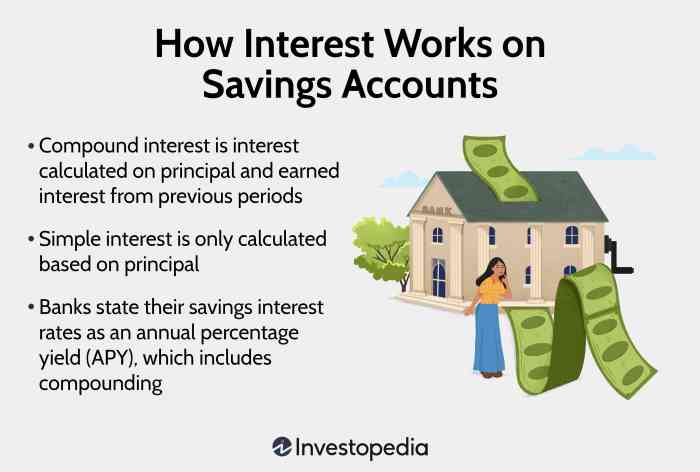
Interest rates are like the cherry on top of your financial sundae; they sweeten the deal, but they also vary based on the type of account and the bank. Here’s how they can affect your savings journey:Interest rates determine how much your money will grow over time. A higher interest rate means more earnings, which can be the difference between a modest savings pot and a mini fortune! For example, if you deposit $1,000 in a traditional savings account with a 0.01% interest rate, you’ll earn a whopping $0.10 in a year.

But, with a high-interest savings account offering 2%, you’ll pocket $20 instead!

“The magic of compound interest means your savings can grow exponentially over time, just like your love for pizza on a Friday night!”

Benefits and Drawbacks of Using a Savings Account for Financial Planning

Saving is crucial for financial security, and savings accounts have their own set of pros and cons to consider:The benefits of using a savings account include:

Liquidity

You can easily access your money whenever you need it, making it a secure place for short-term savings.

Safety

Most savings accounts are insured by the FDIC (in the U.S.) up to $250,000, ensuring your hard-earned cash remains safe from the financial boogeyman.

Interest Earnings

While not a get-rich-quick scheme, the interest earned over time can add up, especially if you diligently contribute to your account.However, there are drawbacks:

Lower Returns

Compared to stocks or other investment vehicles, savings accounts typically offer lower returns, which can feel like watching paint dry on a rainy day.

Inflation Risk

If your interest rate doesn’t keep up with inflation, your money could lose purchasing power. So while you may have more dollars, those dollars may not buy as much!

Limited Transactions

Some accounts impose limits on withdrawals, which can feel like being grounded when all your friends are out partying.Understanding the ins and outs of savings accounts can help you make informed decisions about where to stash your hard-earned cash. Remember, every penny counts, especially when it comes to building a nest egg for future adventures!

Savings Accounts vs. Other Financial Products

When it comes to saving your hard-earned dough, you might think of a savings account as your trusty old piggy bank, but with a bit more flair and interest. However, there are other contenders in the financial arena, such as money market accounts and certificates of deposit (CDs), each with their own unique quirks and benefits. In this delightful showdown, we’ll sort through the financial jungle and lay bare the key differences between savings accounts and other financial products, all while trying to keep the seriousness to a minimum.

Comparison with Money Market Accounts and Certificates of Deposit

To understand how savings accounts stack up against money market accounts and CDs, let’s break it down in a way that even your grandma could understand – with clarity and humor! Savings accounts are like the reliable friend who always shows up on time, while money market accounts are a bit more of a snazzy outfit — they come with higher interest rates but require a higher minimum balance.

CDs, on the other hand, are that friend who commits to a long-term plan and won’t bail on you for a few years. Here’s a closer look at the nuances:

  • Savings Accounts: Generally offer lower interest rates but provide easy access to funds and minimal fees. Ideal for short-term savings goals.
  • Money Market Accounts: Often provide higher interest rates and check-writing privileges, but usually require a larger minimum balance to avoid fees. Perfect for those who like to keep their money bustling.
  • Certificates of Deposit (CDs): Offer fixed interest rates with a set maturity date. They come with penalties for early withdrawals, so only commit if you’re in it for the long haul!

Differences Between Savings Accounts and Investment Accounts

While savings accounts are the warm, fuzzy blankets of financial products, investment accounts are more like the rollercoasters at an amusement park — thrilling but a bit risky. Investment accounts can offer potentially higher returns but come with the possibility of losses that could make you scream (and not in the fun way). Let’s highlight the key differences that set these two categories apart:

  • Risk Factor: Savings accounts are low-risk, often insured by the government, while investment accounts can fluctuate wildly due to market conditions.
  • Return on Investment: Savings accounts provide stable but lower interest rates, while investment accounts can yield higher returns but with greater uncertainty.
  • Liquidity: Savings accounts allow for easy access to your cash, whereas investments can require time to liquidate and might incur fees.

Advantages of Savings Accounts Over High-Risk Investments

Diving into the high-risk investment pool can be exhilarating, but it’s also a bit like swimming with sharks — thrilling but potentially teeth-chattering. Savings accounts, on the other hand, offer a safe haven for your funds, with some enticing advantages over their high-risk counterparts. Here’s why you might want to cozy up with a savings account instead:

  • Stability: Your money won’t be doing the cha-cha in a volatile market. Savings accounts provide a safe harbor in stormy financial seas.
  • Accessibility: Need cash for that surprise pizza party? Savings accounts let you access your money without jumping through hoops (or paying penalties).
  • Peace of Mind: With insurance from the FDIC, your deposits are protected up to $250,000, giving you the security that high-risk investments can’t promise.

Integrating Savings Accounts into Financial Planning

Savings accounts

In the grand carnival of financial planning, savings accounts are like the cotton candy – sweet and delightful, but they also provide the crucial energy needed to enjoy the rides. Integrating savings accounts into your budgeting strategy is not just a good idea; it’s essential for a financially stable life. Let’s take a whimsical stroll through the land of savings and discover how they can help pave the road to financial awesomeness.

Incorporating Savings Accounts into Budgeting Strategies

When it comes to budgeting, think of your savings account as the trusty sidekick in your financial superhero saga. It’s always there to catch you when your wallet takes a tumble. Here are some tips on how to make your savings account shine in your budgeting:

  • Set Clear Savings Goals: Define what you’re saving for – be it a vacation, a new car, or the latest gadget. This will give your savings account a purpose, like a superhero with a mission.
  • Automate Your Savings: Set up automatic transfers to your savings account right after you get paid. It’s like sending your money to the gym – it’ll get stronger without even realizing it.
  • Use a Budgeting App: Leverage technology to track your spending and savings. Many apps can integrate directly with your savings account, providing you with insights that are more enlightening than a light bulb moment.
  • Prioritize Savings in Your Budget: Treat savings like a non-negotiable expense. If you can budget for your avocado toast and lattes, you can budget for your future!

The Role of Savings Accounts in Major Purchases

Planning for big-ticket items like auto loans or a down payment on a house can feel like preparing for a trip to Mars. But with a savings account in your toolkit, you’ll be ready for lift-off! Here’s how savings can help you prepare:

  • Down Payments: Saving for a down payment on a house or car is crucial. Many lenders require a certain percentage upfront, and having that cash saved can save you from drowning in debt.
  • Emergency Fund: Having a separate savings account for emergencies can prevent you from relying on high-interest loans. Think of it as a life raft in a sea of debt!
  • Improving Your Loan Terms: The more you save, the more you can reduce your loan amount, which translates to better interest rates and lower monthly payments. It’s like negotiating a discount on your favorite snack – who doesn’t love that?

Savings as a Shield Against Bankruptcy and Debt Management

In the battle against debt, your savings account acts as a protective shield. A well-padded savings account can save you from the perils of bankruptcy and help you manage debt like a pro. Here’s how:

  • Debt Payments: Having savings allows you to make extra payments on high-interest debts, thus minimizing the total interest paid. It’s like casting a spell that vanishes your debt faster!
  • Buffer Against Financial Emergencies: Unexpected costs can lead to reliance on credit cards, which often carry high-interest rates. Your savings account can act as a buffer, keeping you from falling into the debt trap.
  • Improved Credit Score: Maintaining a healthy savings balance can help you pay bills on time and reduce your debt-to-income ratio, positively impacting your credit score. A good score opens doors to better financial opportunities!

Closure

As we draw the curtains on this financial escapade, remember that savings accounts are not just boring bank boxes—they’re your trusty companions in the quest for financial security! With the right knowledge, you can leverage these accounts to not only save but thrive, steering clear of debt and preparing for future splurges. So go ahead, give your savings a spot in your financial plan, and watch as your money grows while you sit back and enjoy the ride!

Questions Often Asked

What is the minimum balance required for a savings account?

Minimum balances vary by bank, but many savings accounts allow you to start with as little as $1!

How often do savings accounts pay interest?

Most savings accounts pay interest monthly, but some might offer quarterly or annual payouts!

Can I withdraw money from my savings account anytime?

Generally, yes! Just keep in mind that some accounts may limit the number of withdrawals each month.

Are savings accounts insured?

Yes! Most savings accounts are insured by the FDIC (in the U.S.) up to $250,000, so your money is safe!

What happens if I don’t maintain the minimum balance?

Some banks will charge you a fee if you dip below the minimum balance, so keep an eye on your cash!